
Home


Sign-up for our e-newsletter and stay up-to-date:

Email:


Summary of Investments as at June 2013

PDF Version of Summary of Investments as at June 2013

BC Bioenergy Network has approved investments in twenty-eight different projects since January, 2009.  The total of BCBN commitments to date is $16.9 million; the overall value of the 28 projects is $123.5 million.  Therefore, BCBN support has levered additional investments of $106.6 million – a ratio of 6:1 on a project funded basis.

The projects supported by BCBN fall into two categories: capacity-building and technology development and demonstration.  Capacity-building initiatives to date have a lower overall cost ($1.1 million) for an average cost per project of $110,000.  This compares to technology development and demonstration projects in the amount of $15.8 million, for an average cost of $1.4 million per loan or grant.

As noted previously, all projects supported by BCBN fall into eight strategic value streams which are grouped into three sectors: Agriculture (Agriculture Residues), Forest (Solid Wood Residues, Pulp and Paper Residues, Harvesting and Densification) and Municipal (Heat and Power Systems, Wastewater, Existing Landfill Waste and Solid Waste).

Technology Development and Demonstration Projects

Large Capital investments

Cedar Road Biogas to Electricity

Total Cost: $3,600,000
BCBN Investment: $400,000 loan

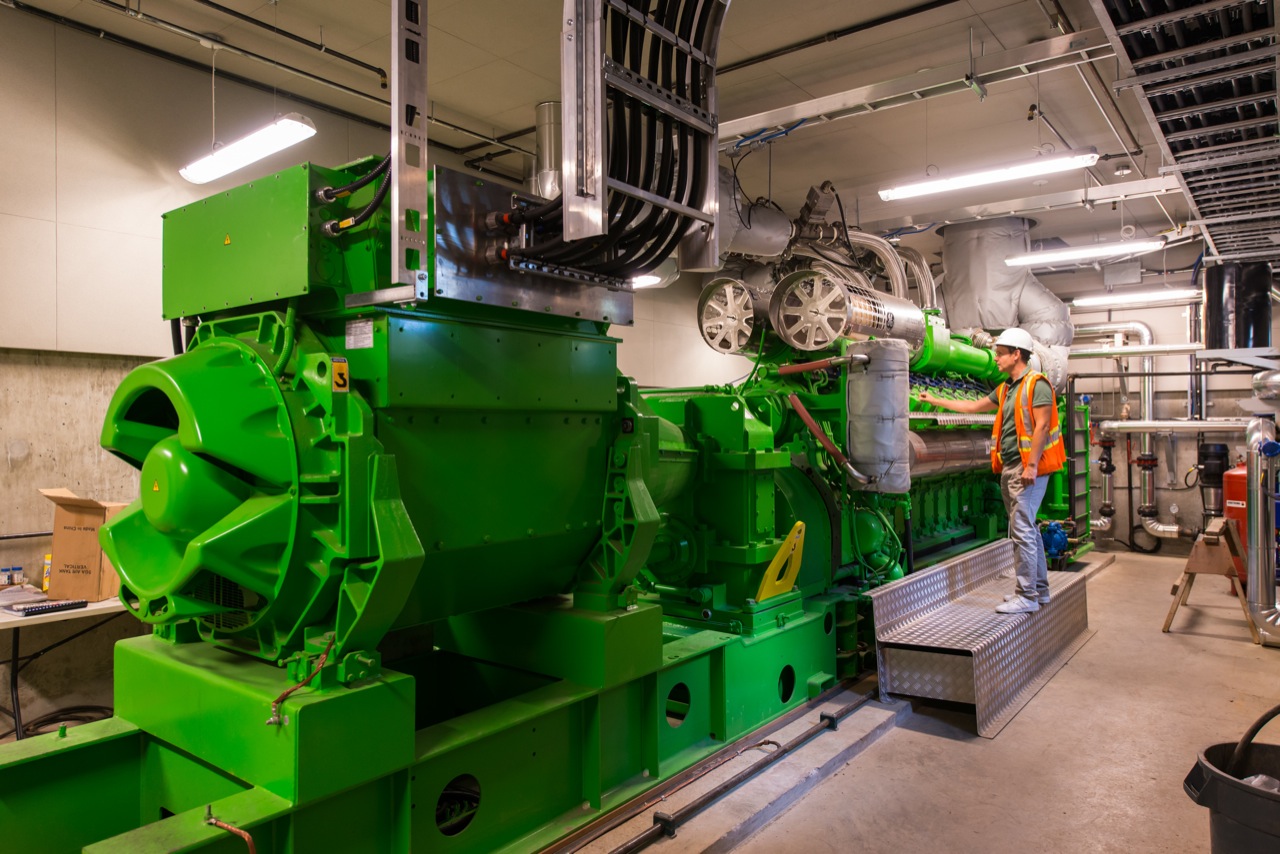
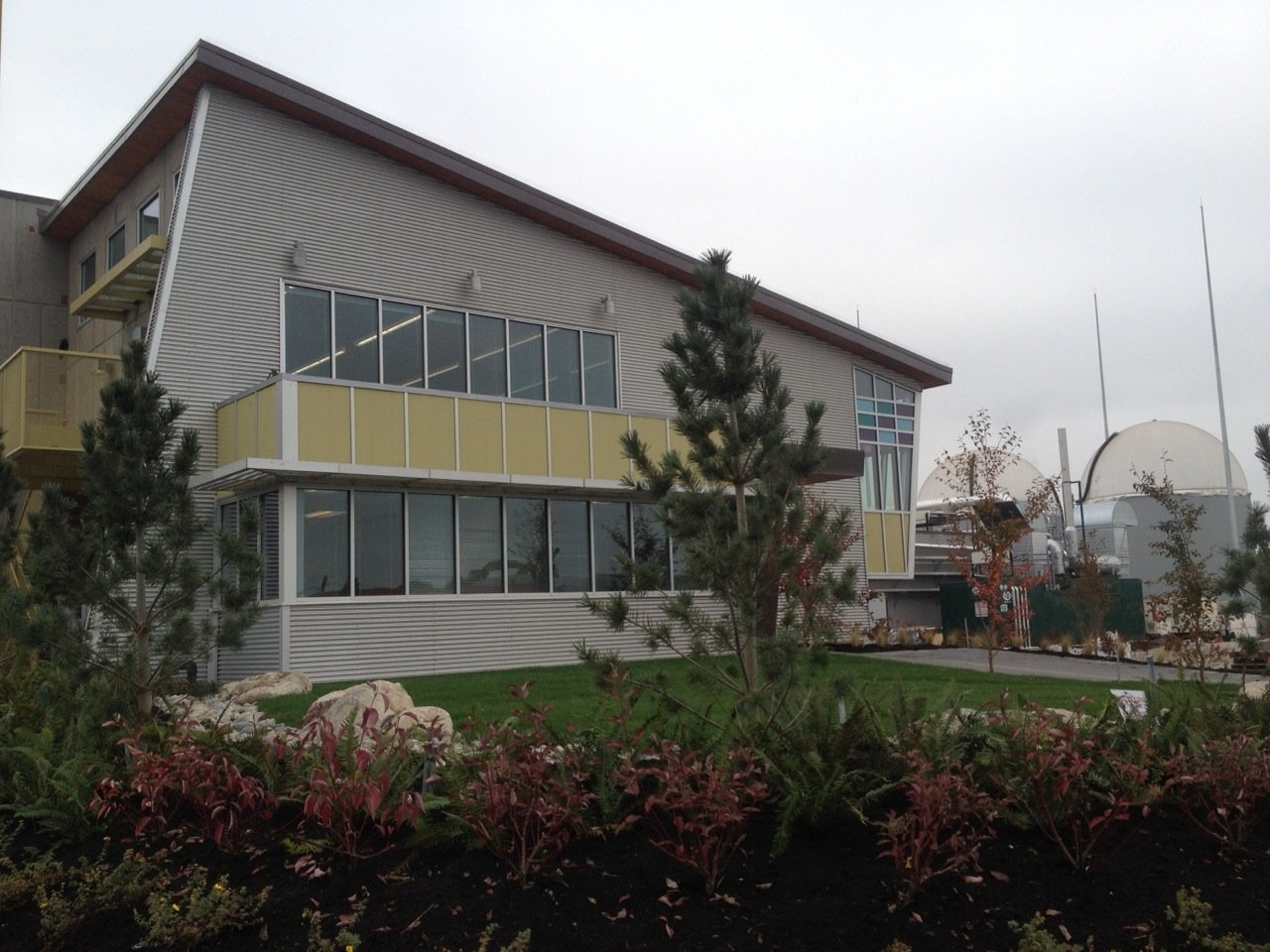
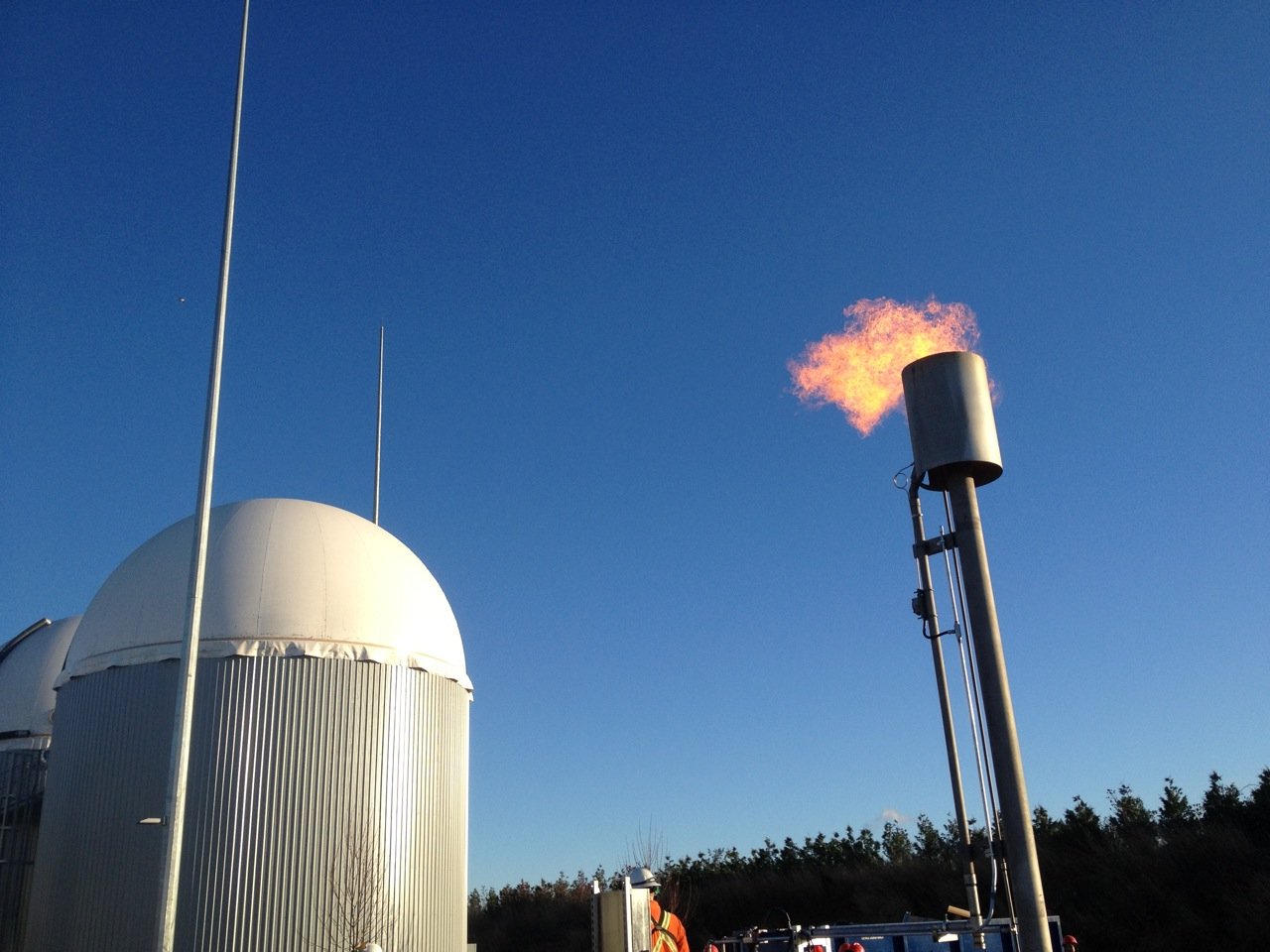
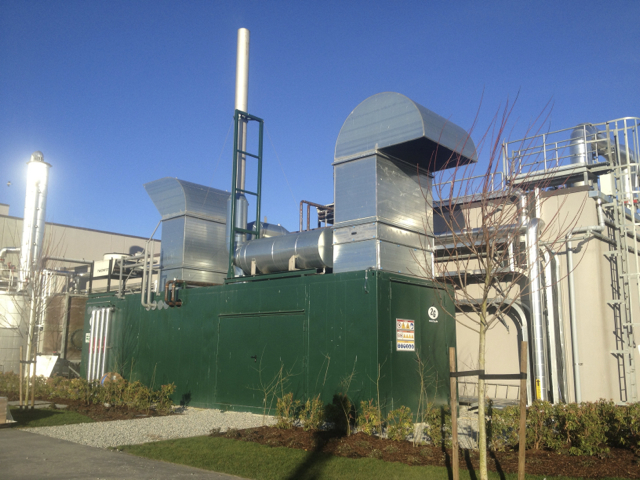
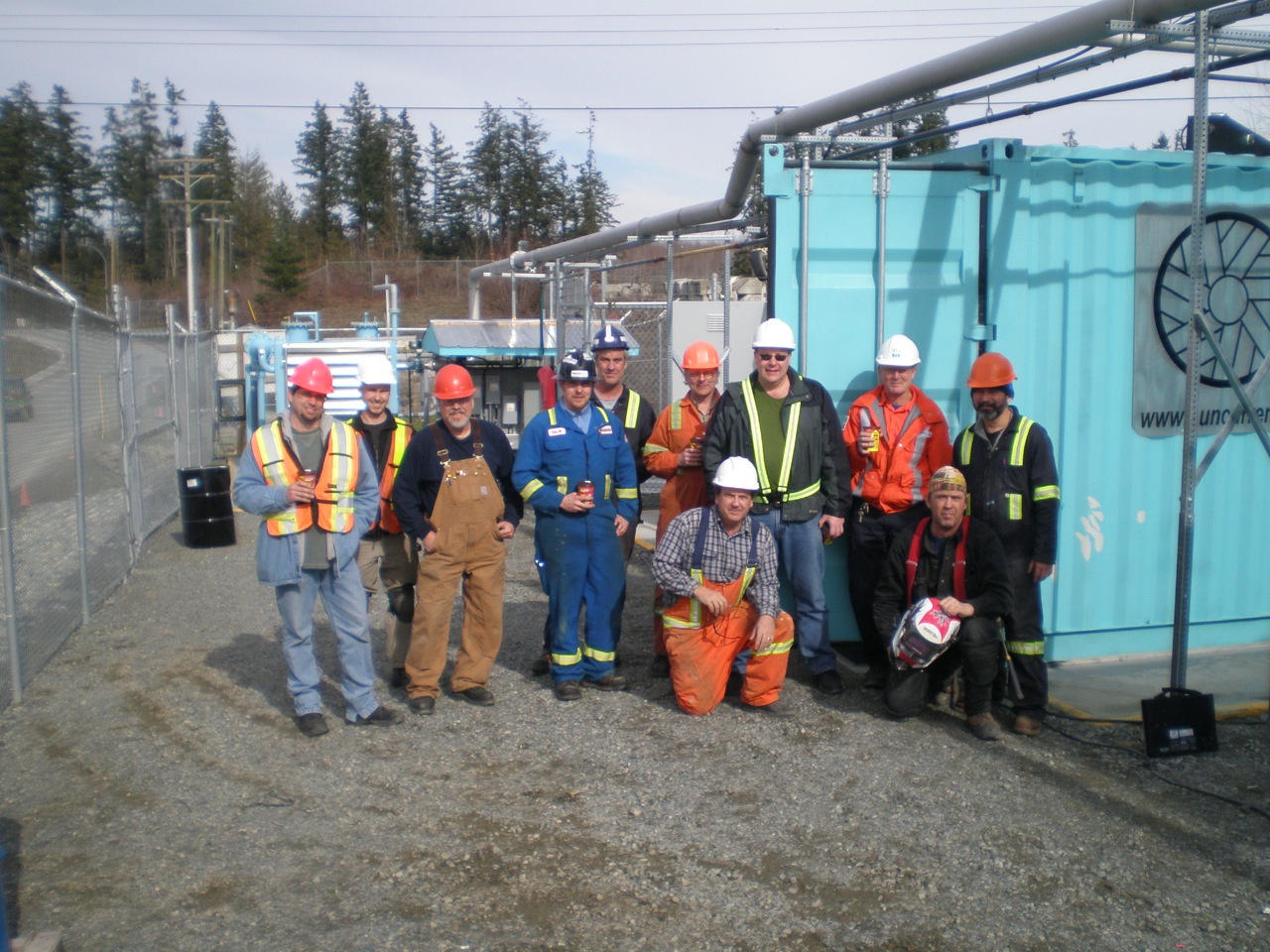
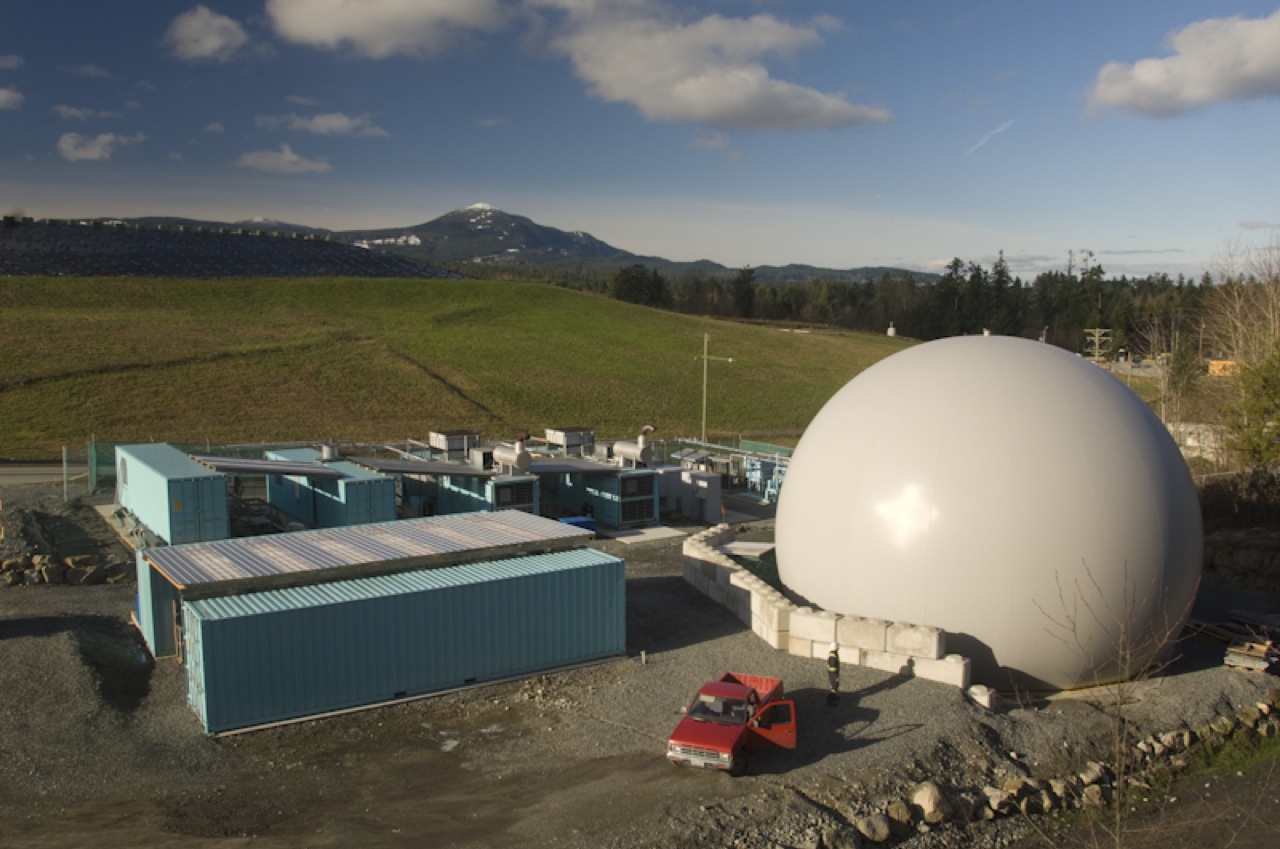
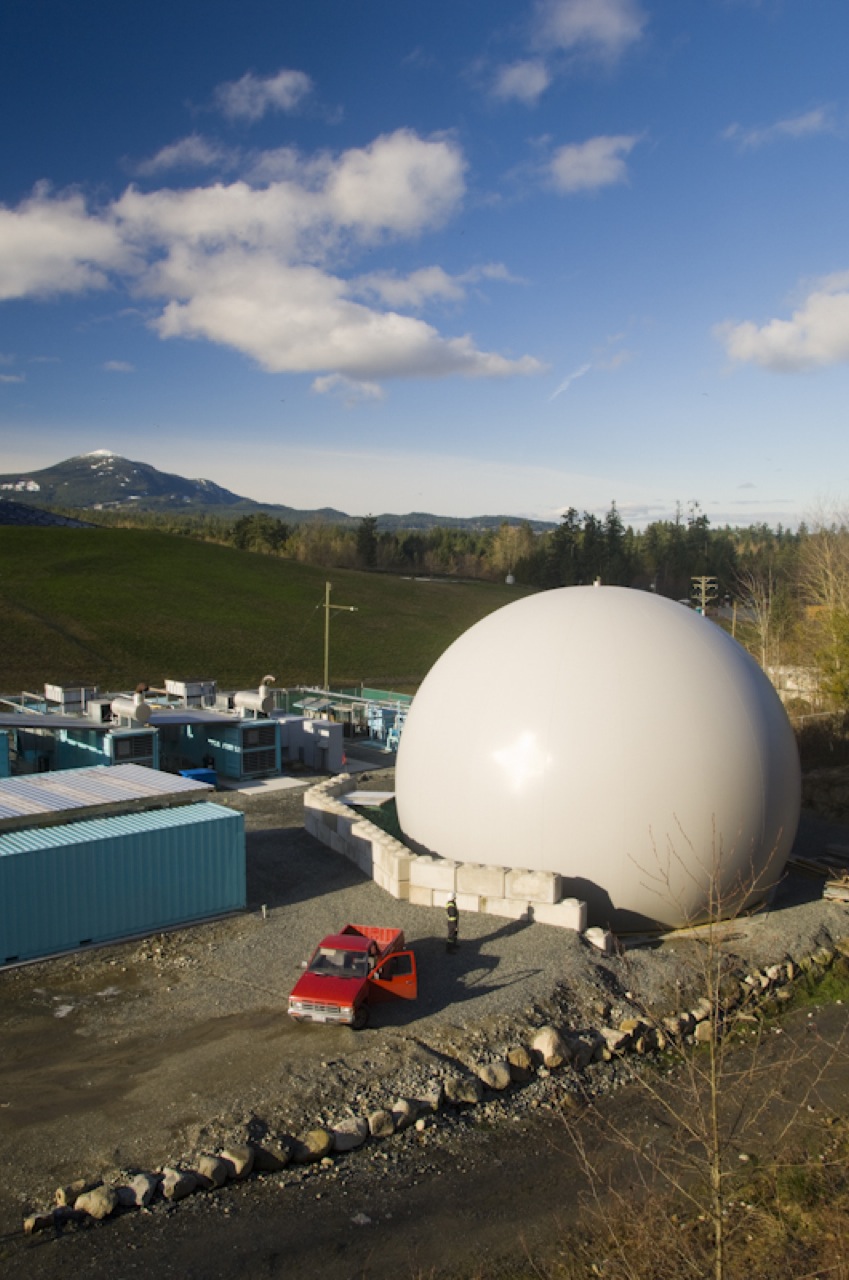
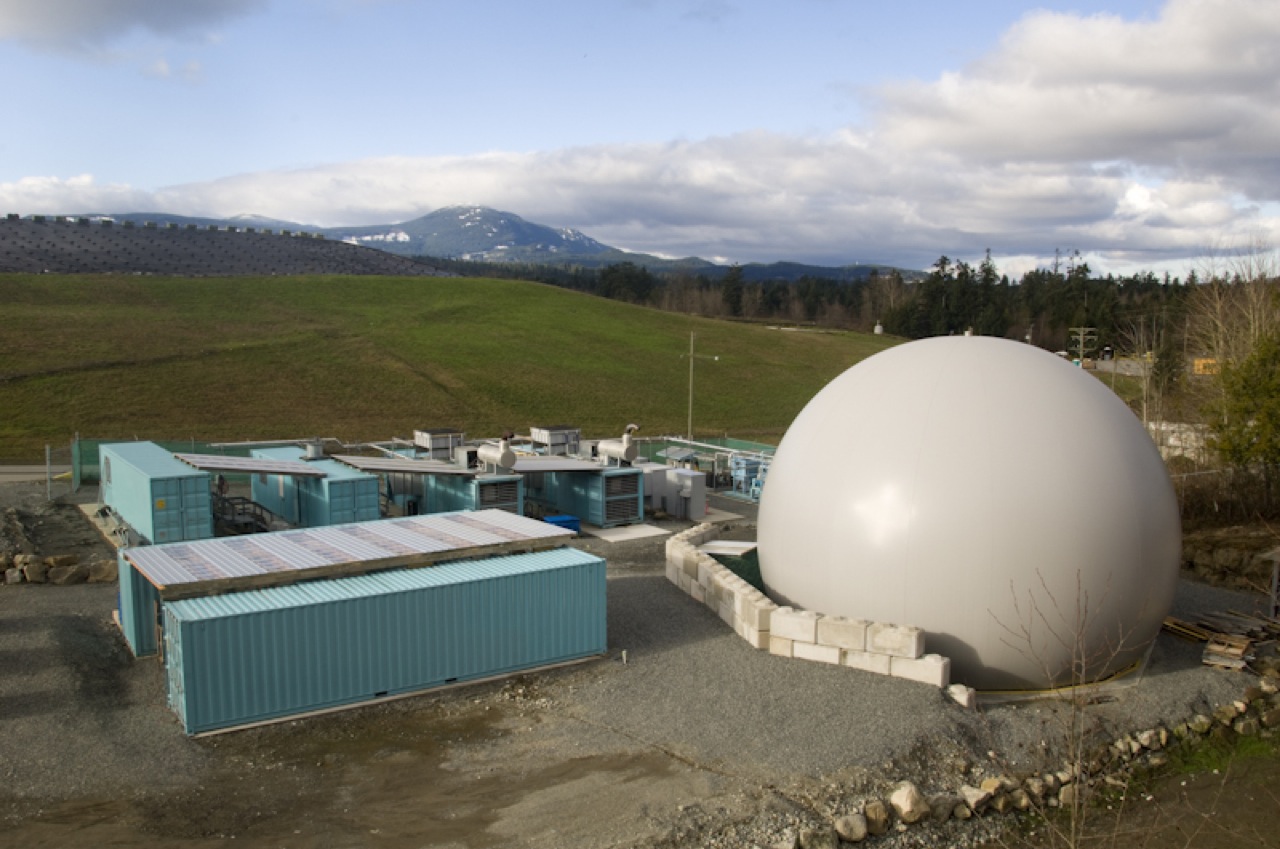
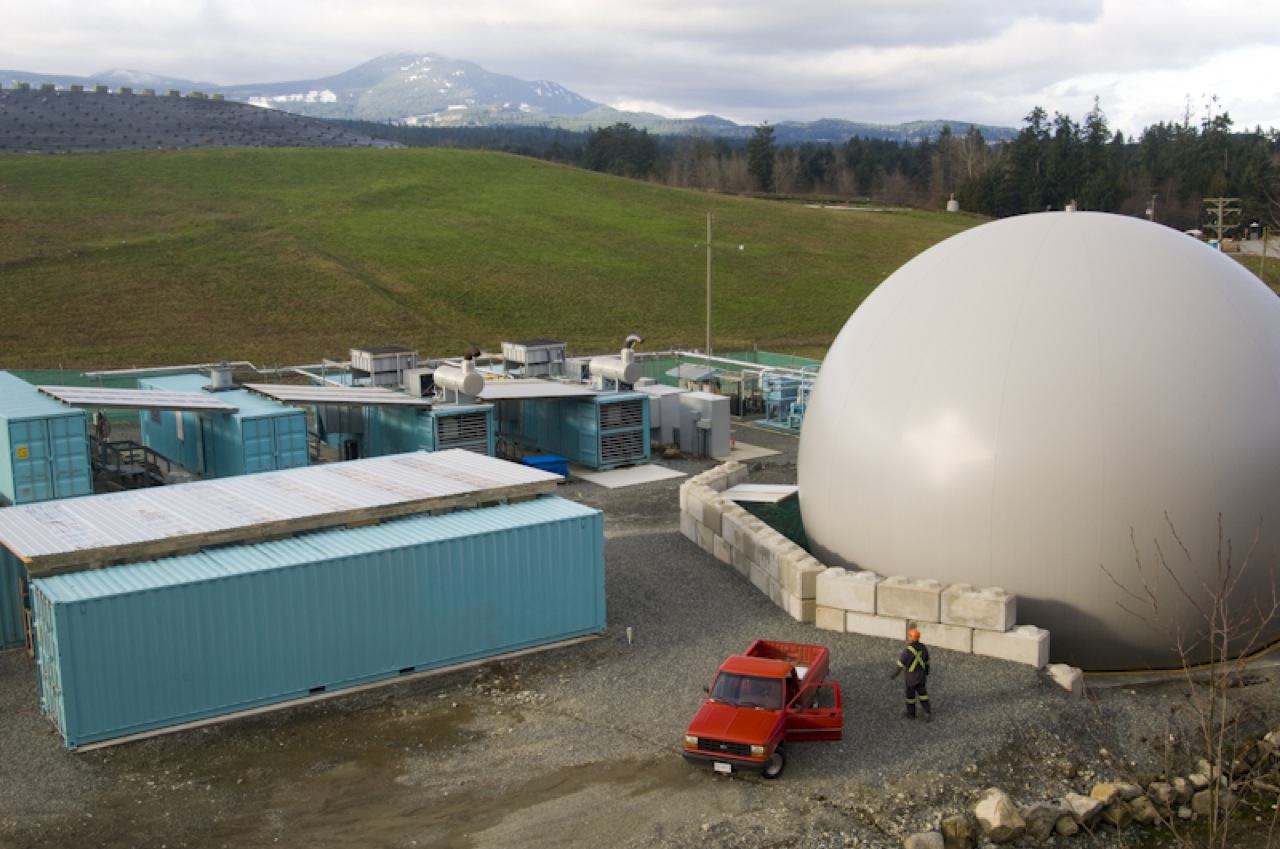
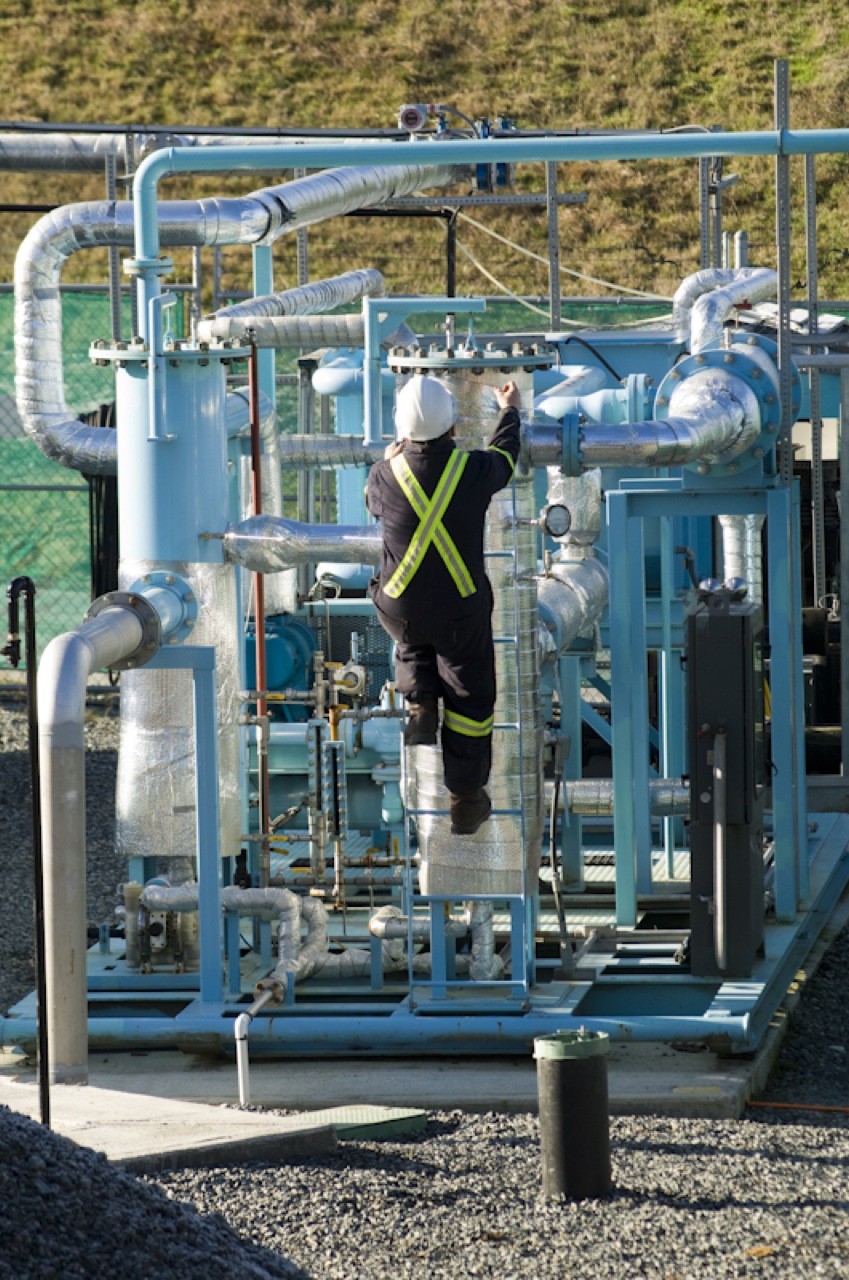
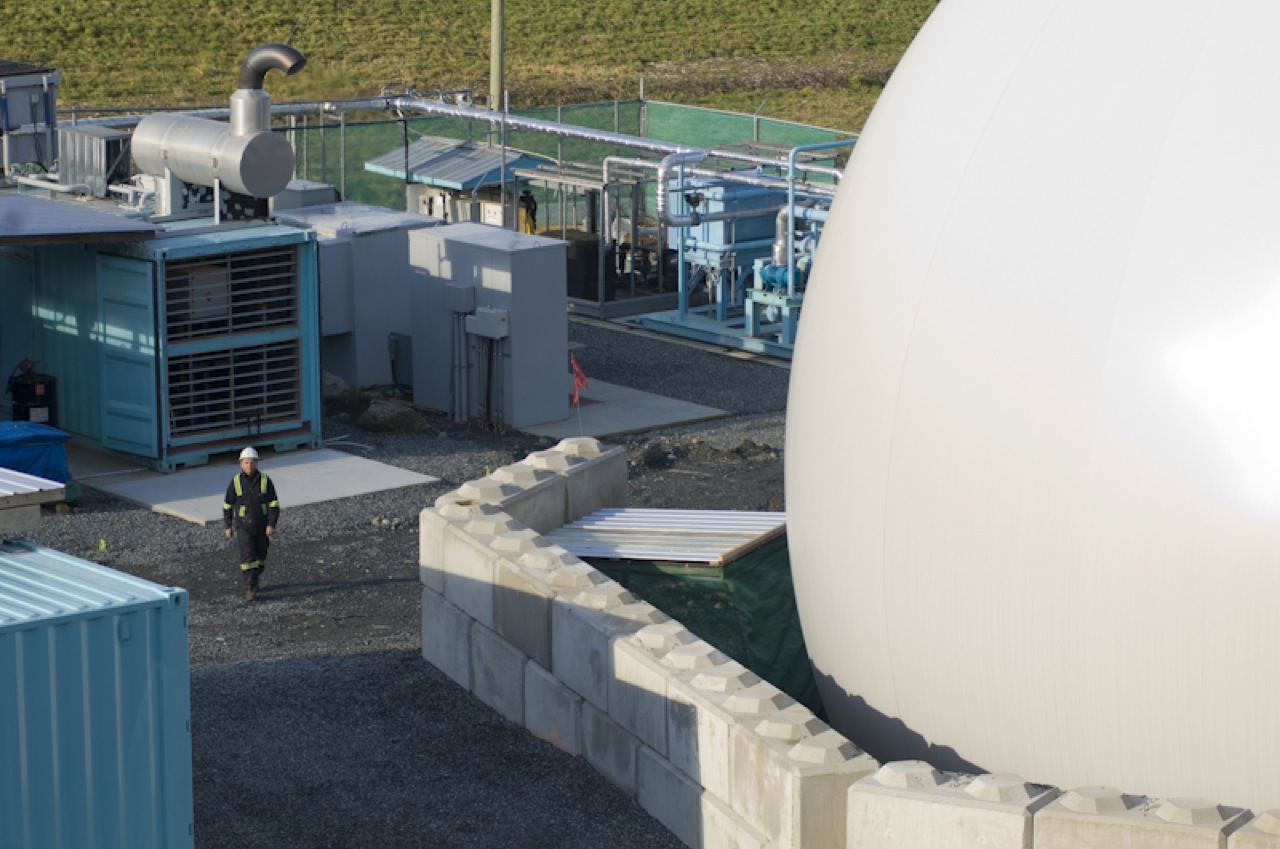
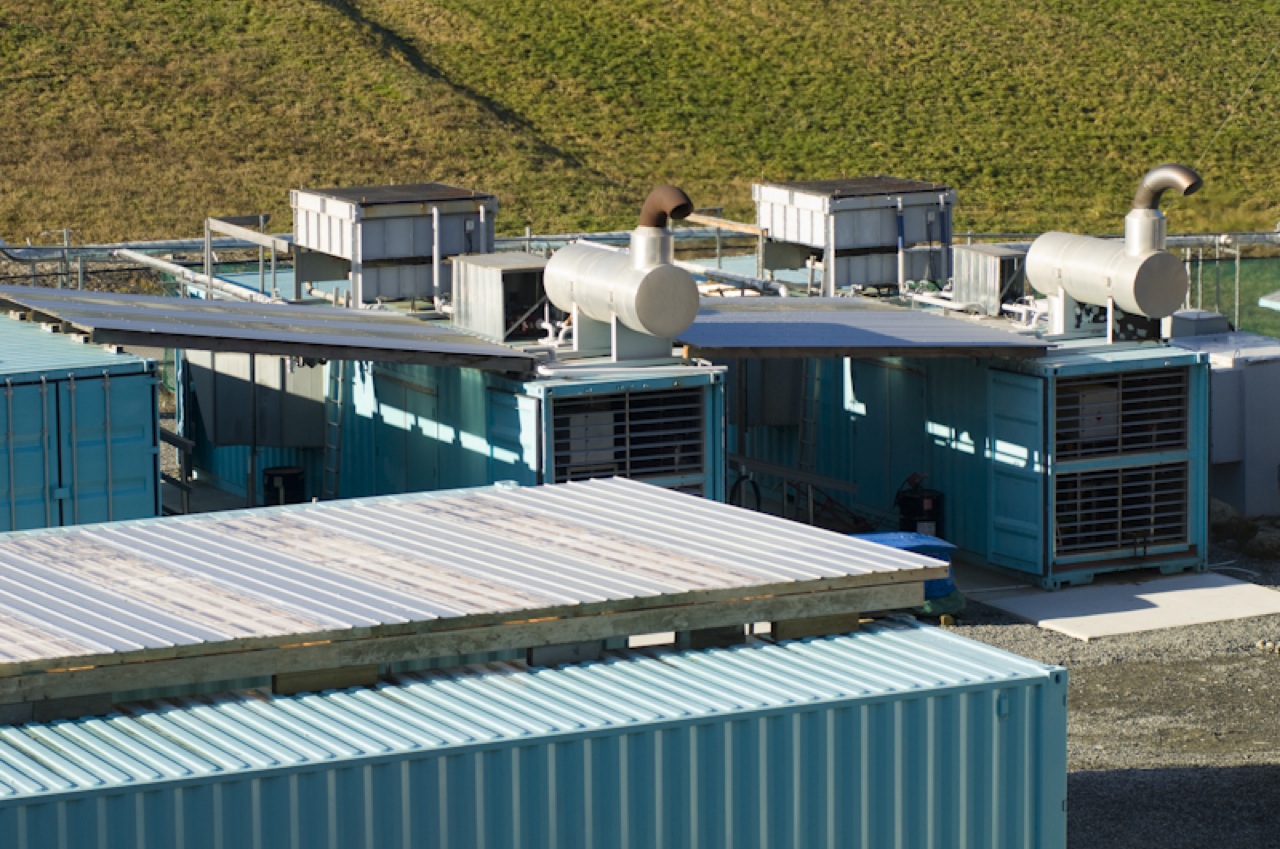
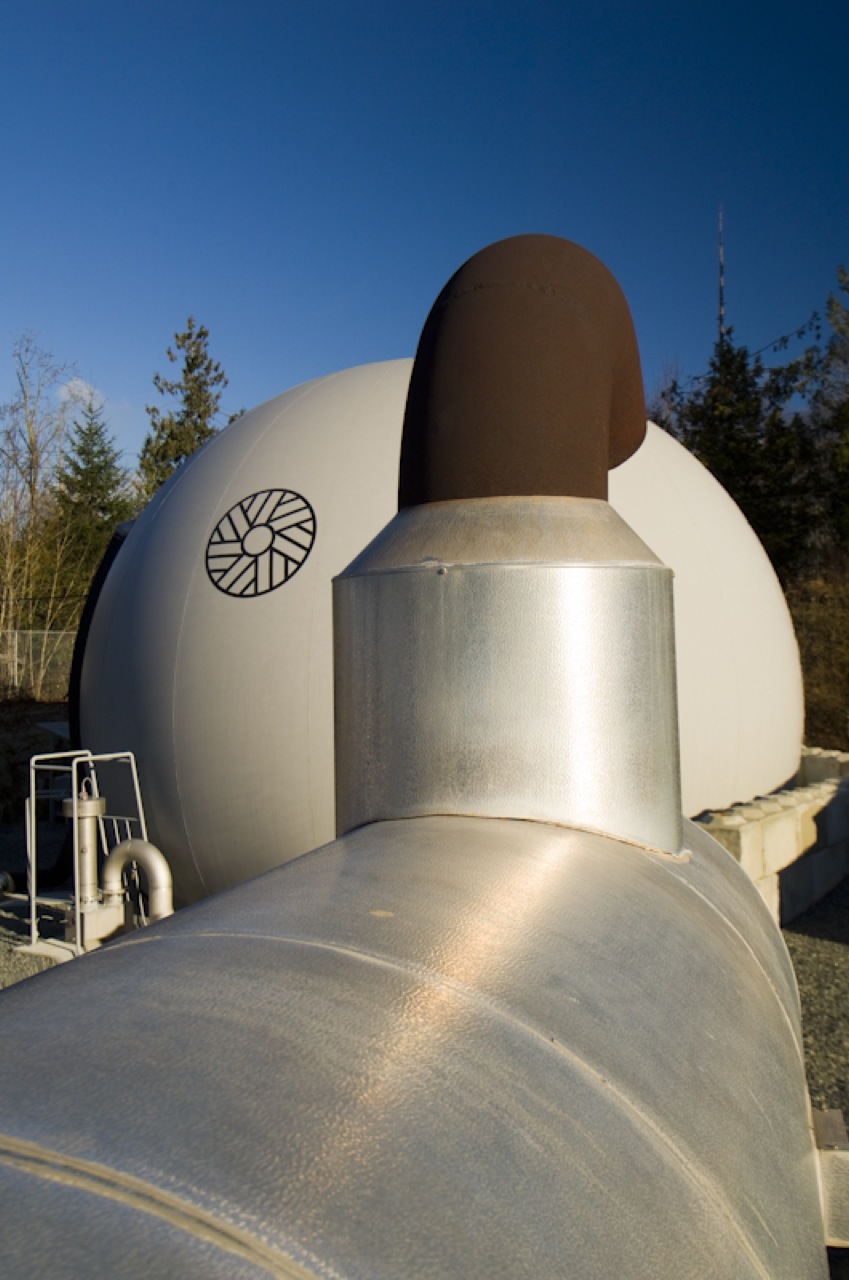
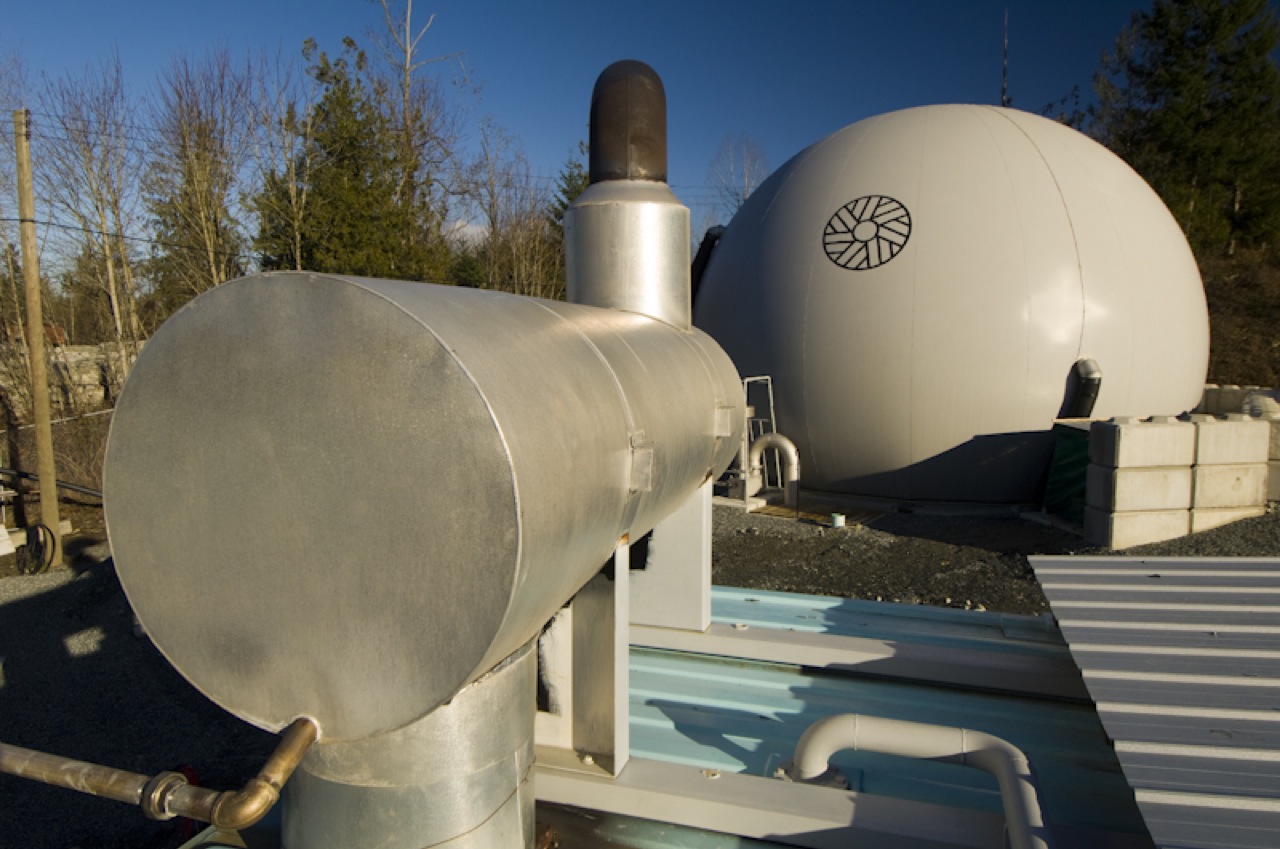
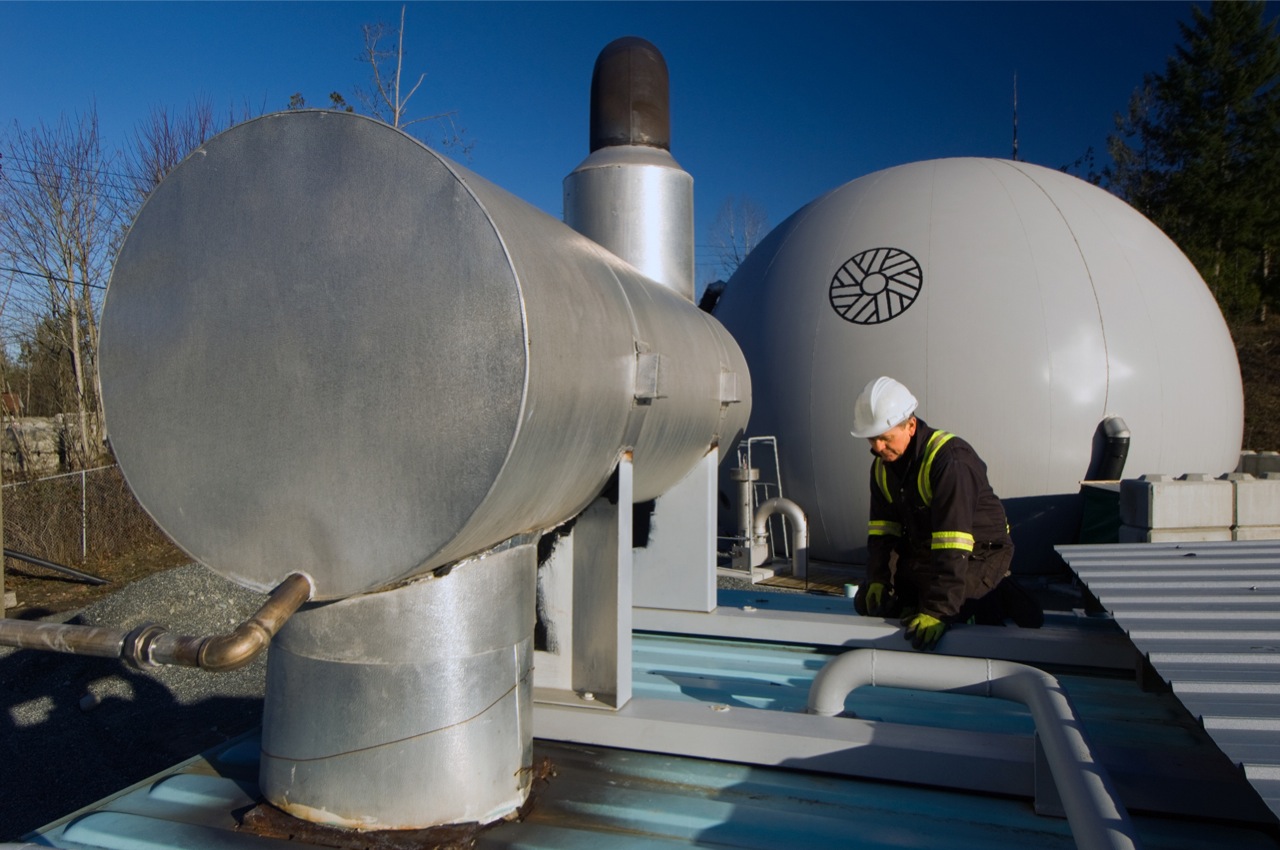
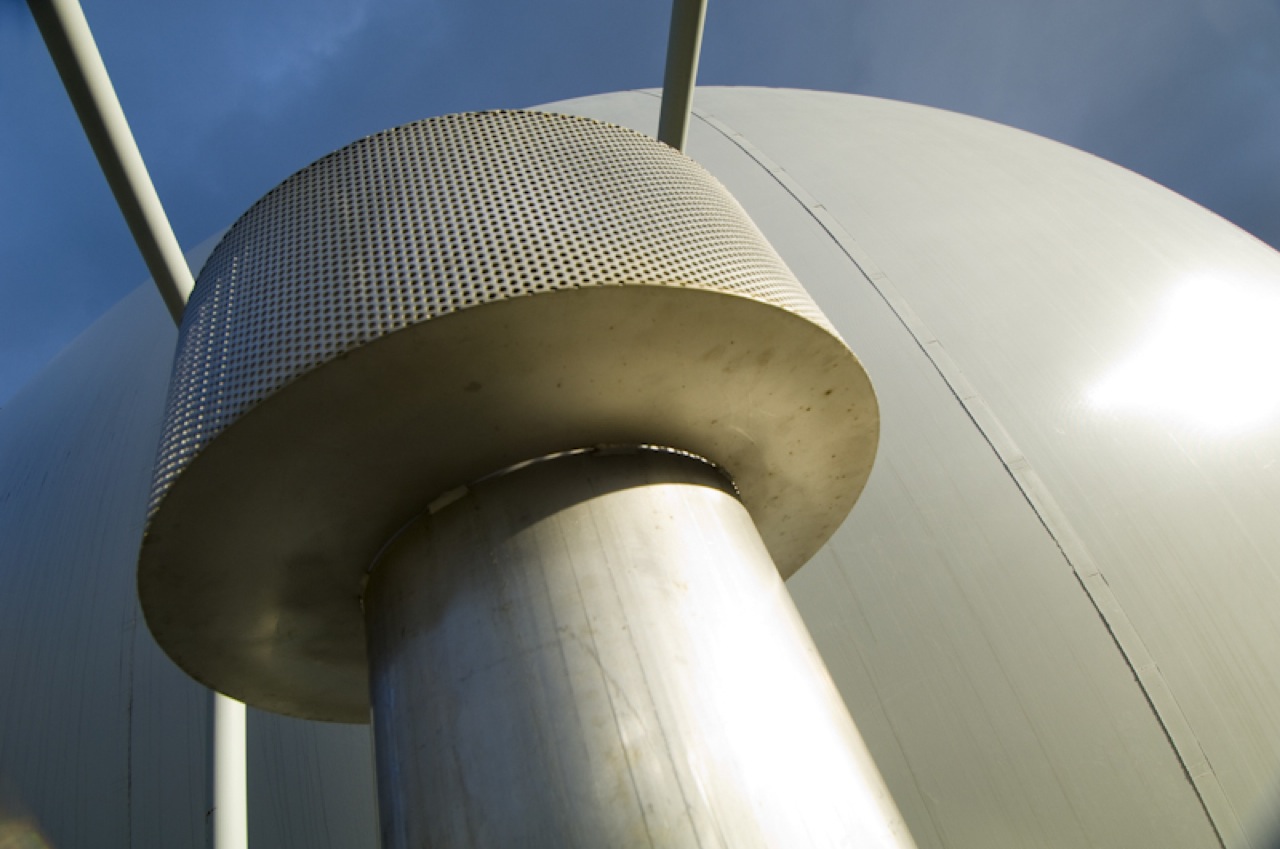
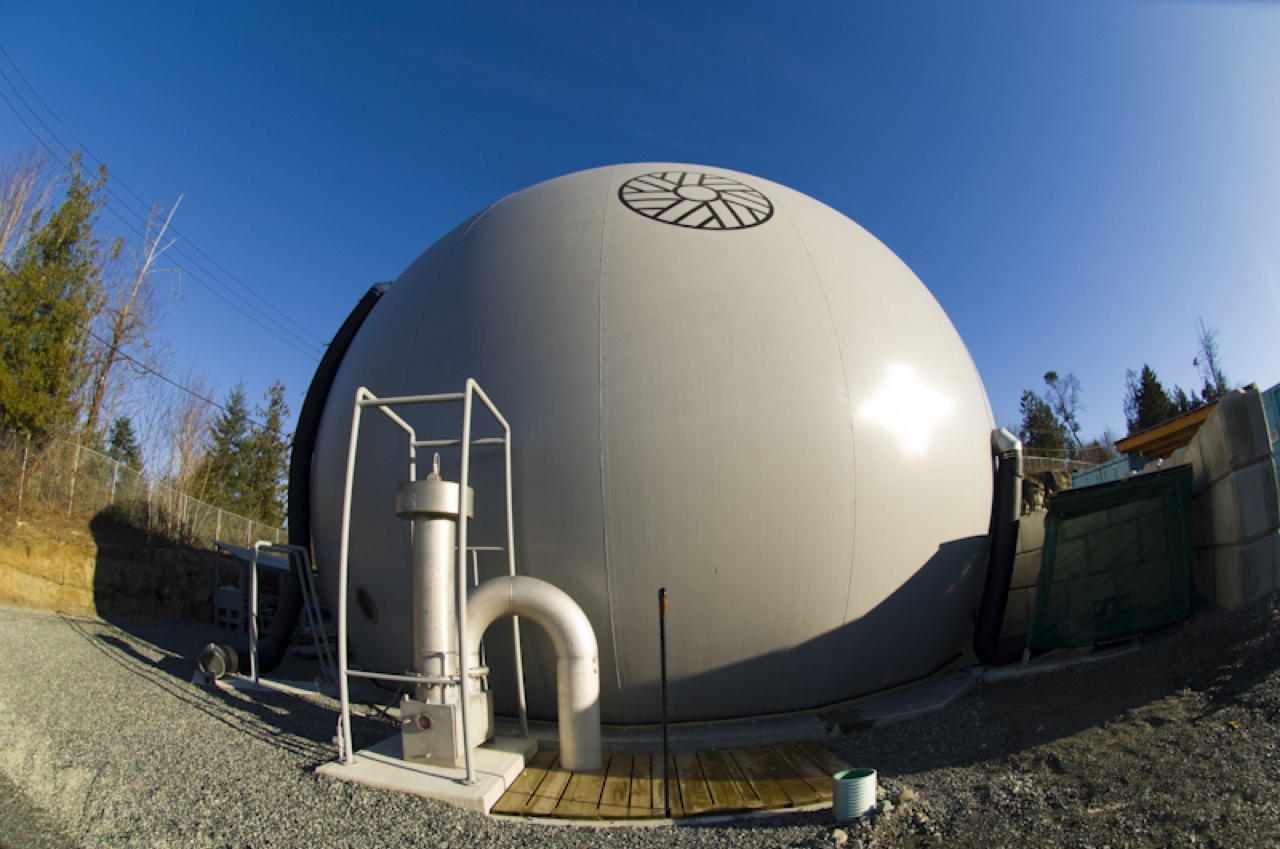
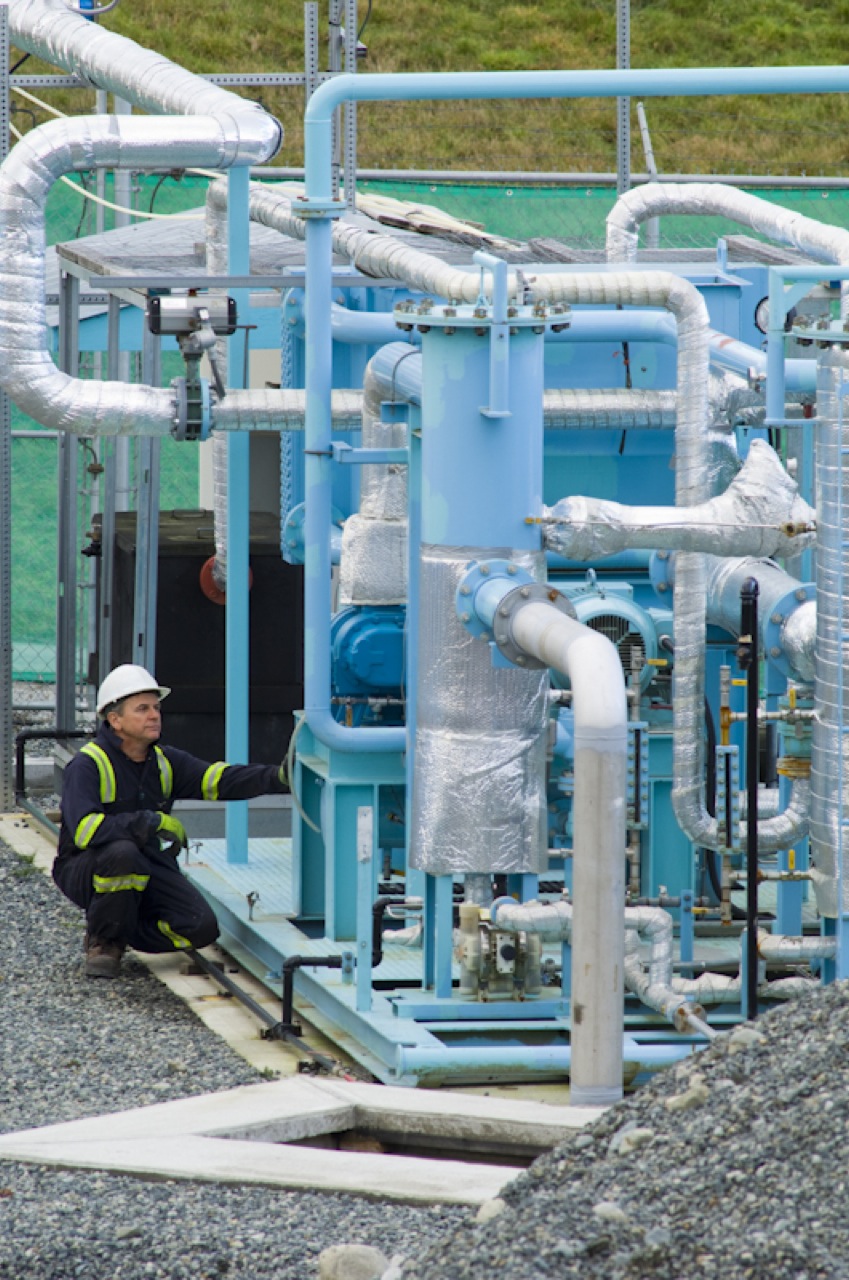
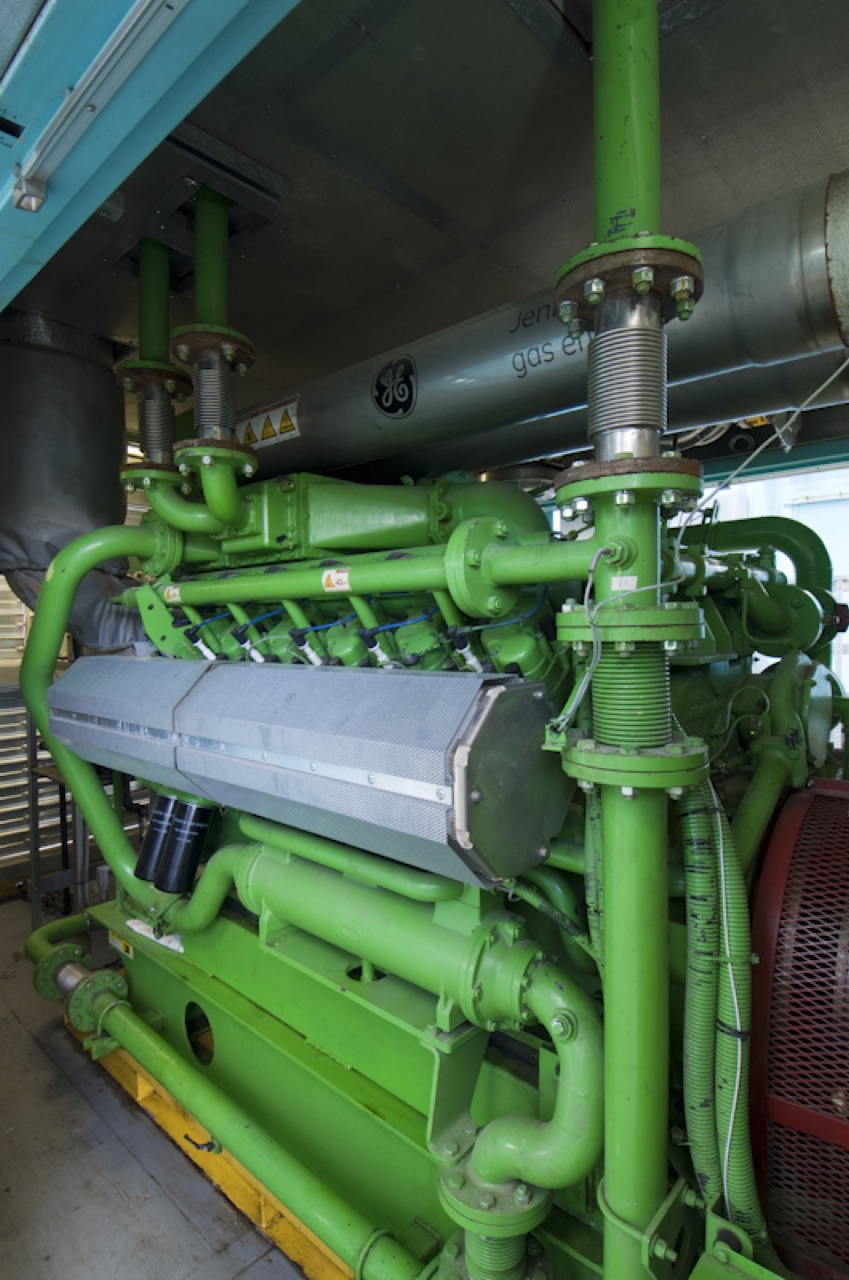
The Regional District of Nanaimo has been collecting gas from its landfill for several years; this gas has been disposed by flaring since collection began.  Cedar Road’s facility routes the gas which was previously being flared through to Cedar Road’s electricity generators.  The two generators have been fully operational since March 2009.  Cedar Road’s approach has been to integrate best-available technology into its project.

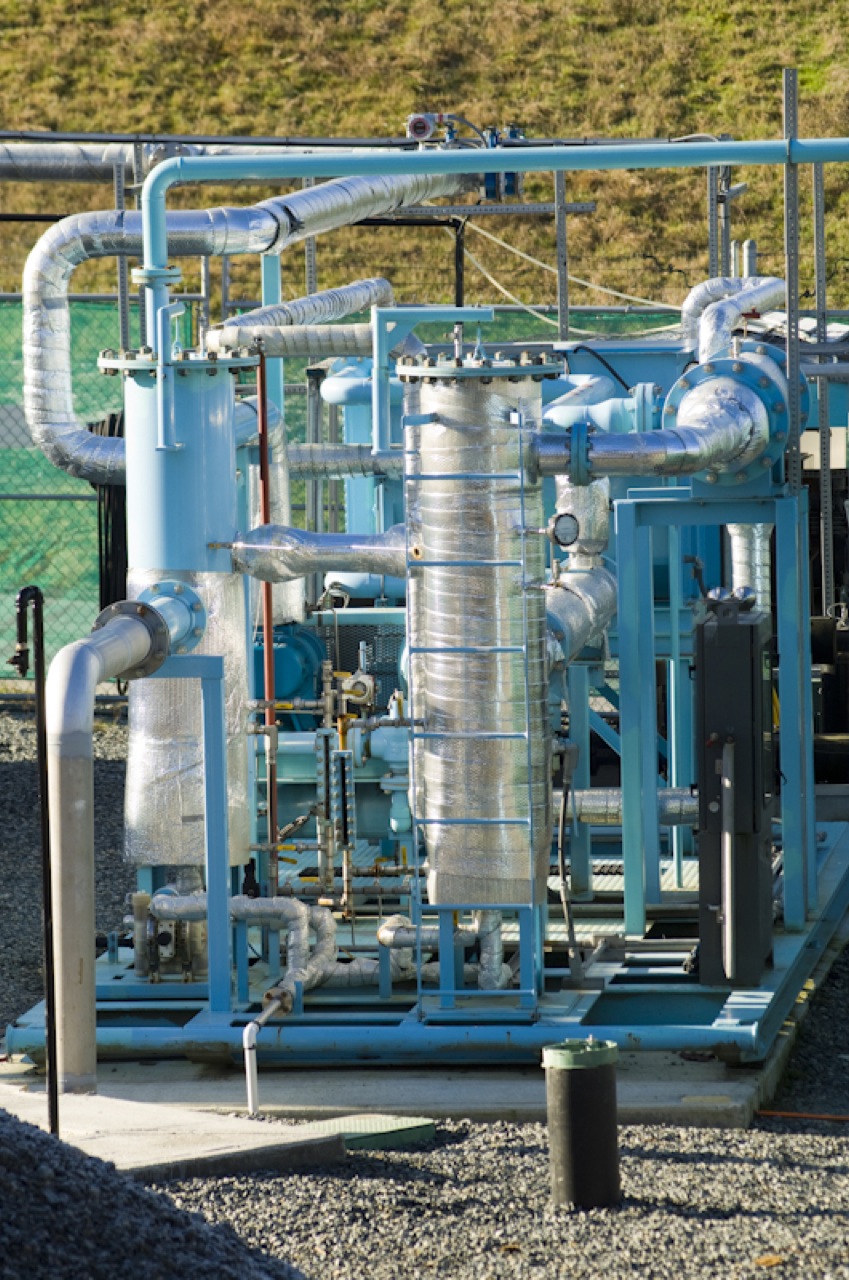
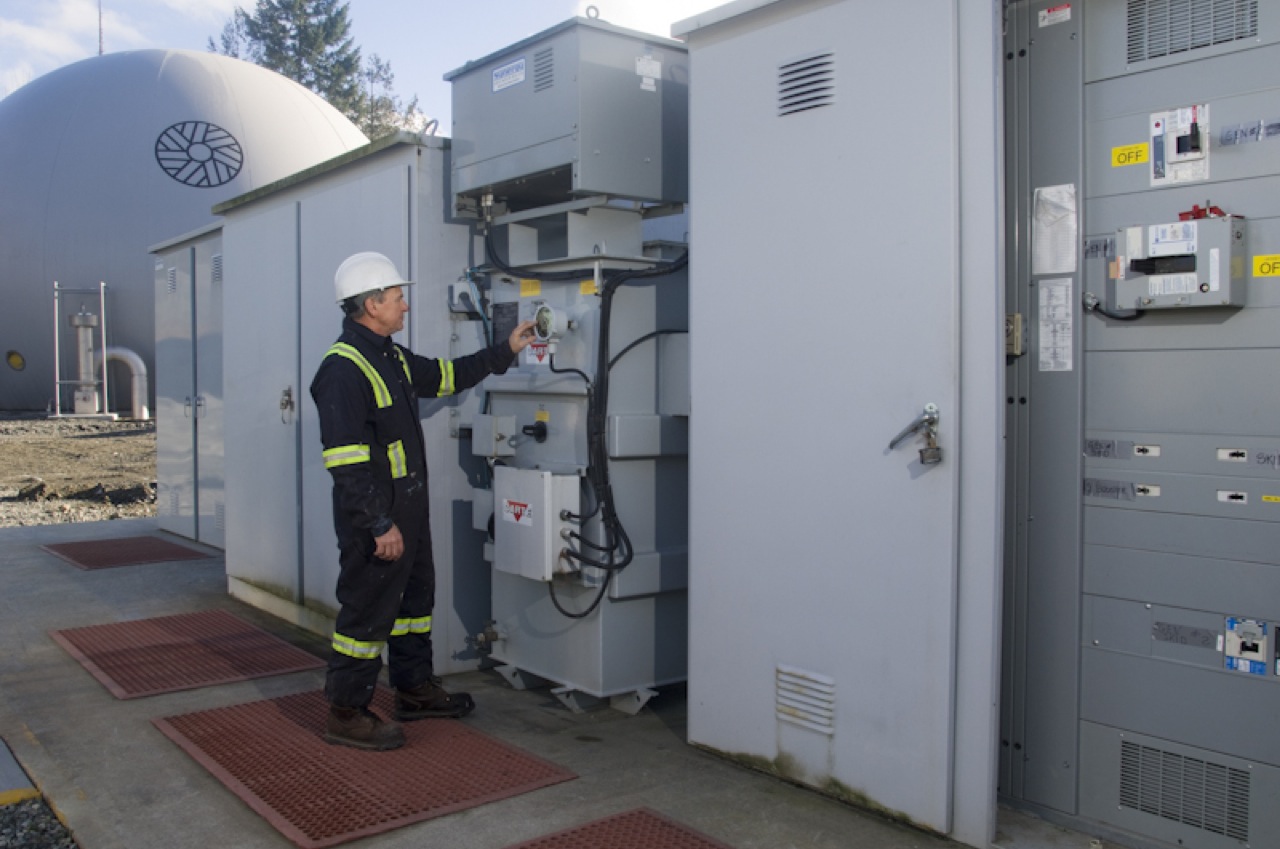
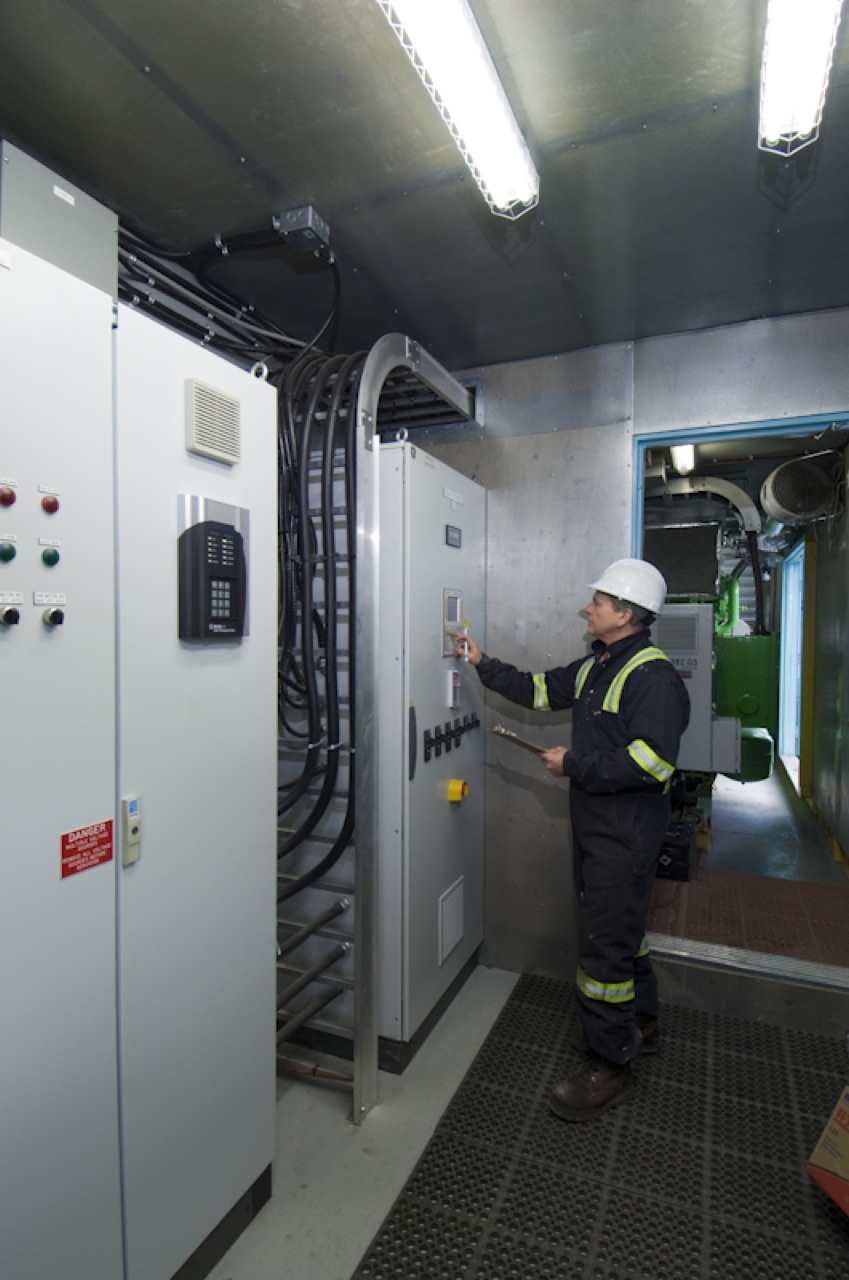
The equipment cluster utilizes a modular design concept consisting of a gas conditioner and two GE Jenbacher engines, all housed in steel containers.  The equipment can be easily relocated, if necessary, to new locations (other landfills).  The BC Hydro interconnection equipment and landfill methane gas conditioning equipment have been sized for 1.54 megawatts of total electrical output.  The facility’s eventual generating capacity is planned to be 3 to 5 megawatts within 10 years.
Cedar Road LFG Website

Nexterra Gasifier Clean Syngas Research 1

Total Cost: $5,790,000
BCBN Investment: $1,500,000 grant

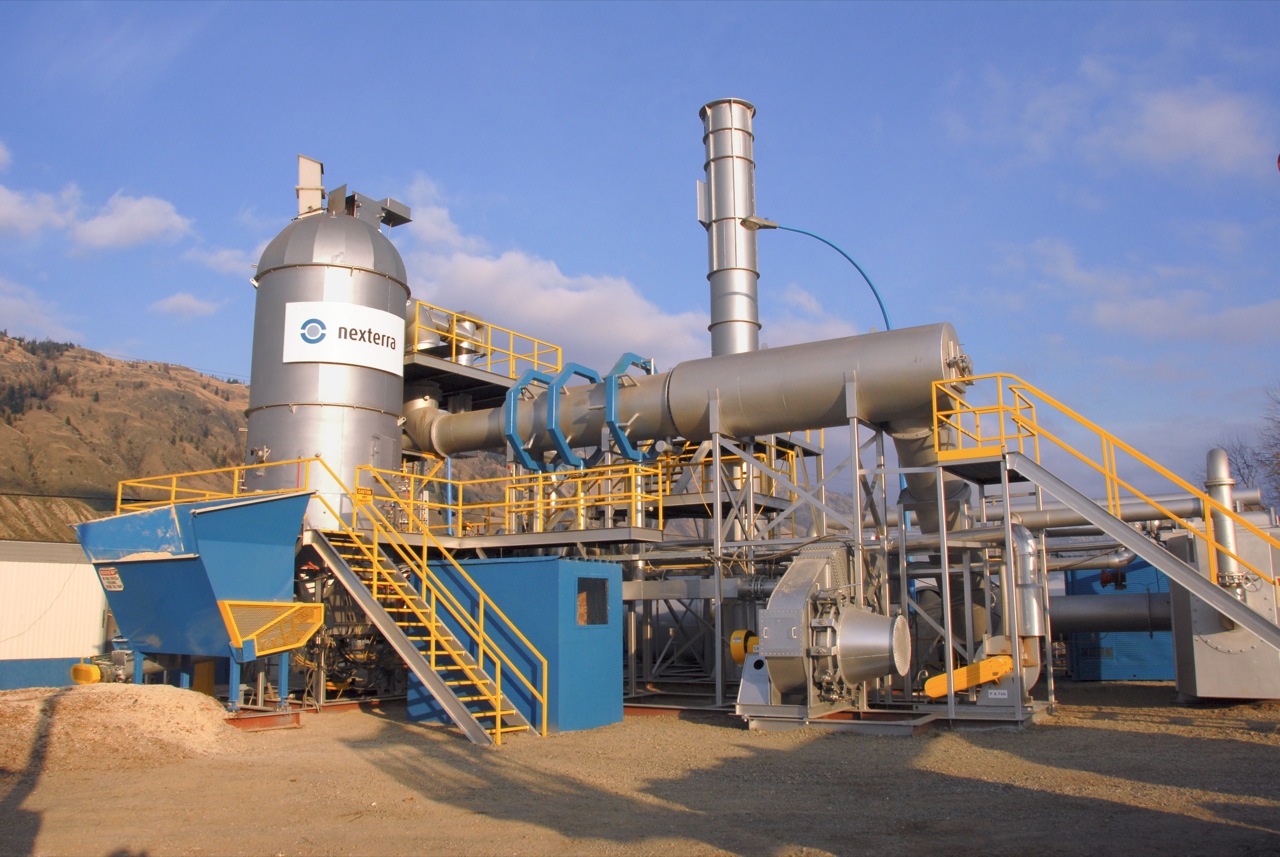
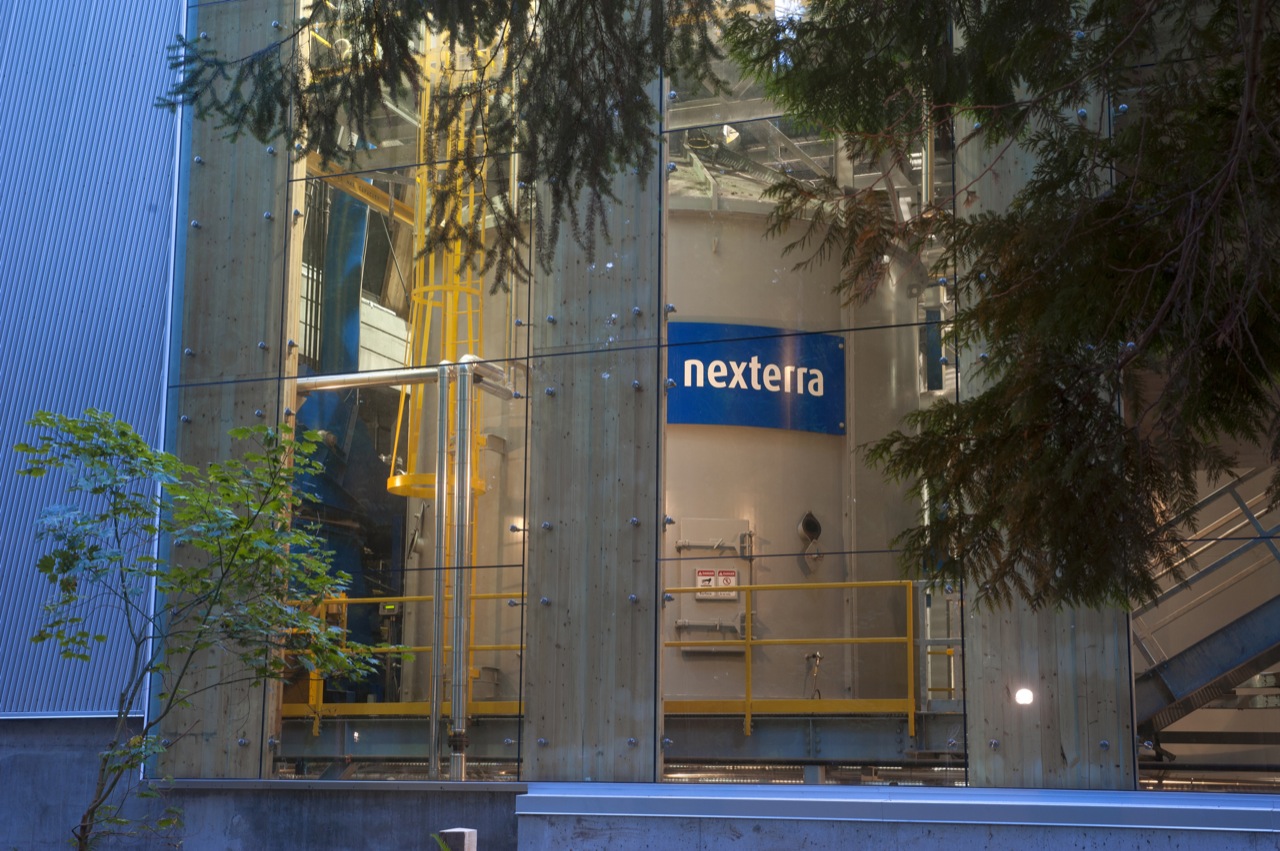
Nexterra proposed to demonstrate the production of ultra-clean synthetic gases from woody biomass at its Kamloops research and development centre to remove all tars and particulate matter so these gases are suitable for fuel for use in General Electric’s Jenbacher series of reciprocating engines to produce an energy-efficient combined heat and power energy system.  Such a successful development could eventually lead to the utilization of ultra-clean synthetic gases that can be used to inject gas into gas systems or produce liquid transportation fuels, although these were not the intended research outcomes, but very valuable potential developments.

This project was successfully funded and completed.  An independent engineering company, Levelton Consultants Ltd., recently confirmed and verified Nexterra’s superior air emissions results, as follows: “The report confirms that Nexterra’s facilities produce “best in class” air emissions when compared with conventional biomass combustion technologies.”  For certain types of emissions, Nexterra’s technology was also found to produce emissions that were equivalent to or lower than natural gas combustion.

Nexterra Systems Corp. Website

Lignol Biochemical Demonstration Plant 1

Total Cost: $5,000,000
BCBN Investment: $1,820,000 grant

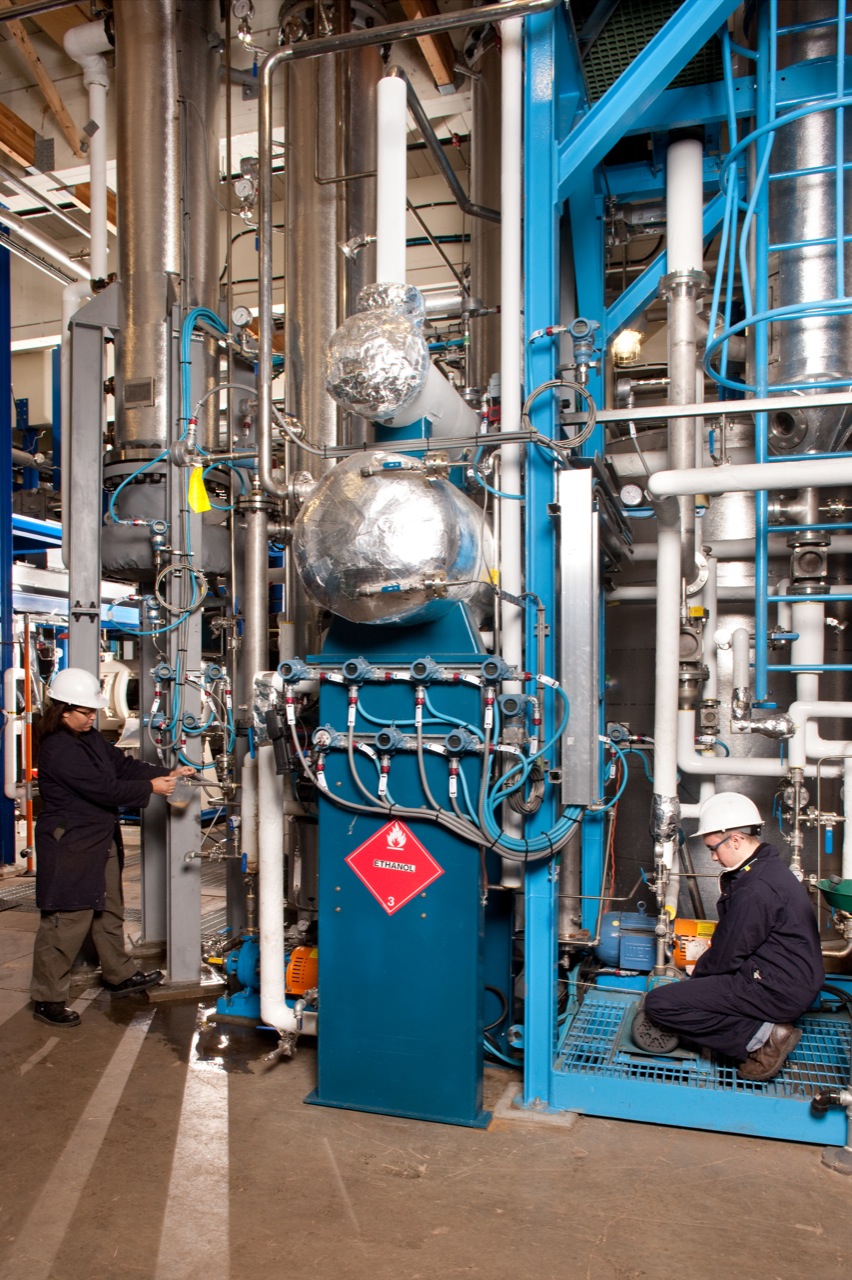
Lignol Innovations Ltd. (“Lignol”), a BC company, is currently developing proprietary biorefinery technology to convert lignocellulosic biomass into fuel ethanol, lignin-based products and other biochemicals.  A key part of this work (“Project 1”) is being supported by Sustainable Development Technology Canada (“SDTC”) with funding up to 1/3 of the total eligible costs of a second amendment, or about $5 million primarily devoted to commissioning of a pilot plant facility, being part of a newly constructed $19 million demonstration pilot plant/research facility and operations located at Lignol’s facility in Burnaby, BC.  Project 1 is expected to provide important demonstrated results to allow Lignol to develop biorefinery plant designs for scale-up to demonstrate commercial capability.  Project 1 was completed successfully in mid-2010.

Lignol Energy Corporation Website  

UBC Gasifier Equipment Re-commissioning And Research

Total Equipment Value: $500,000
BCBN Investment: $100,000 grant

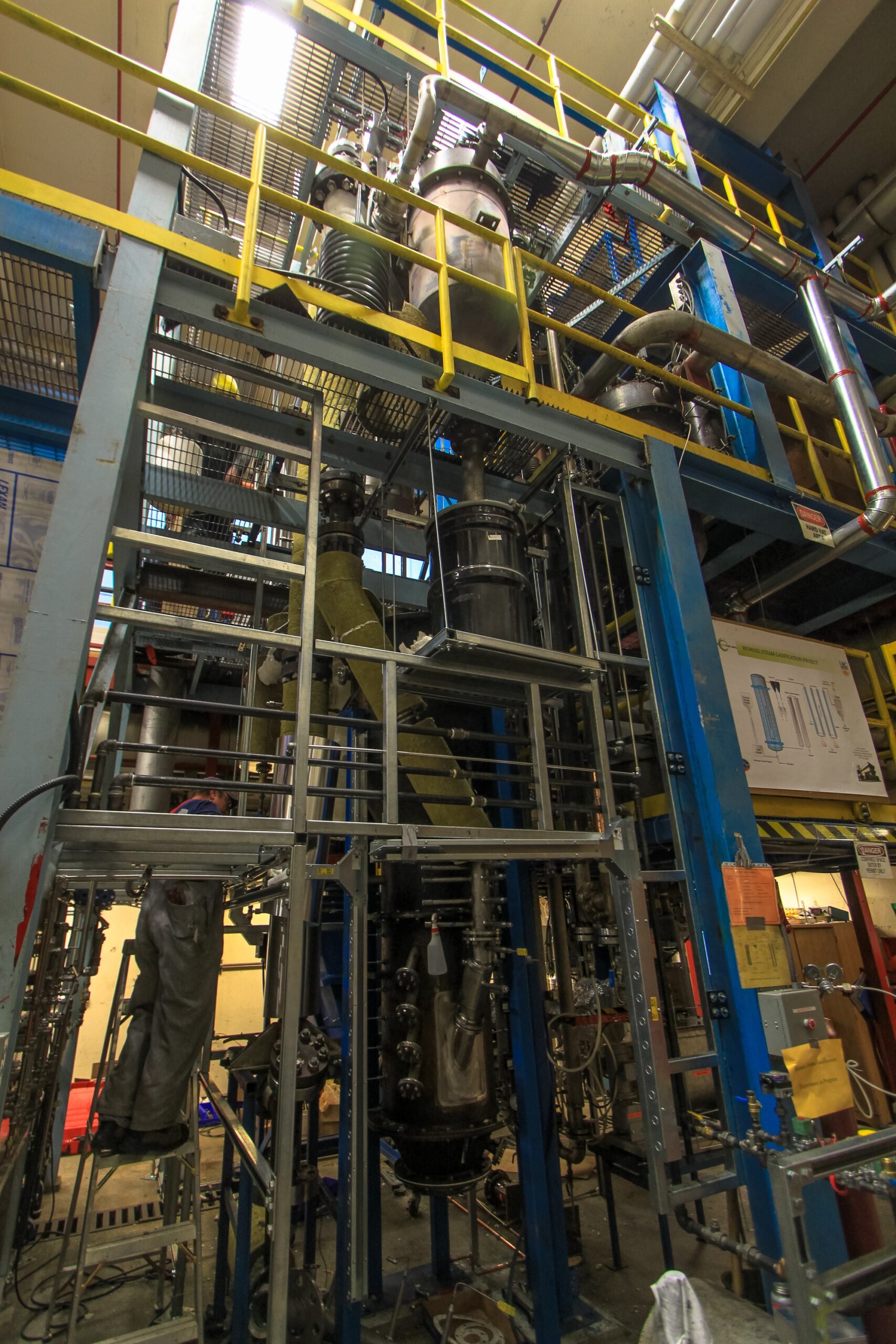
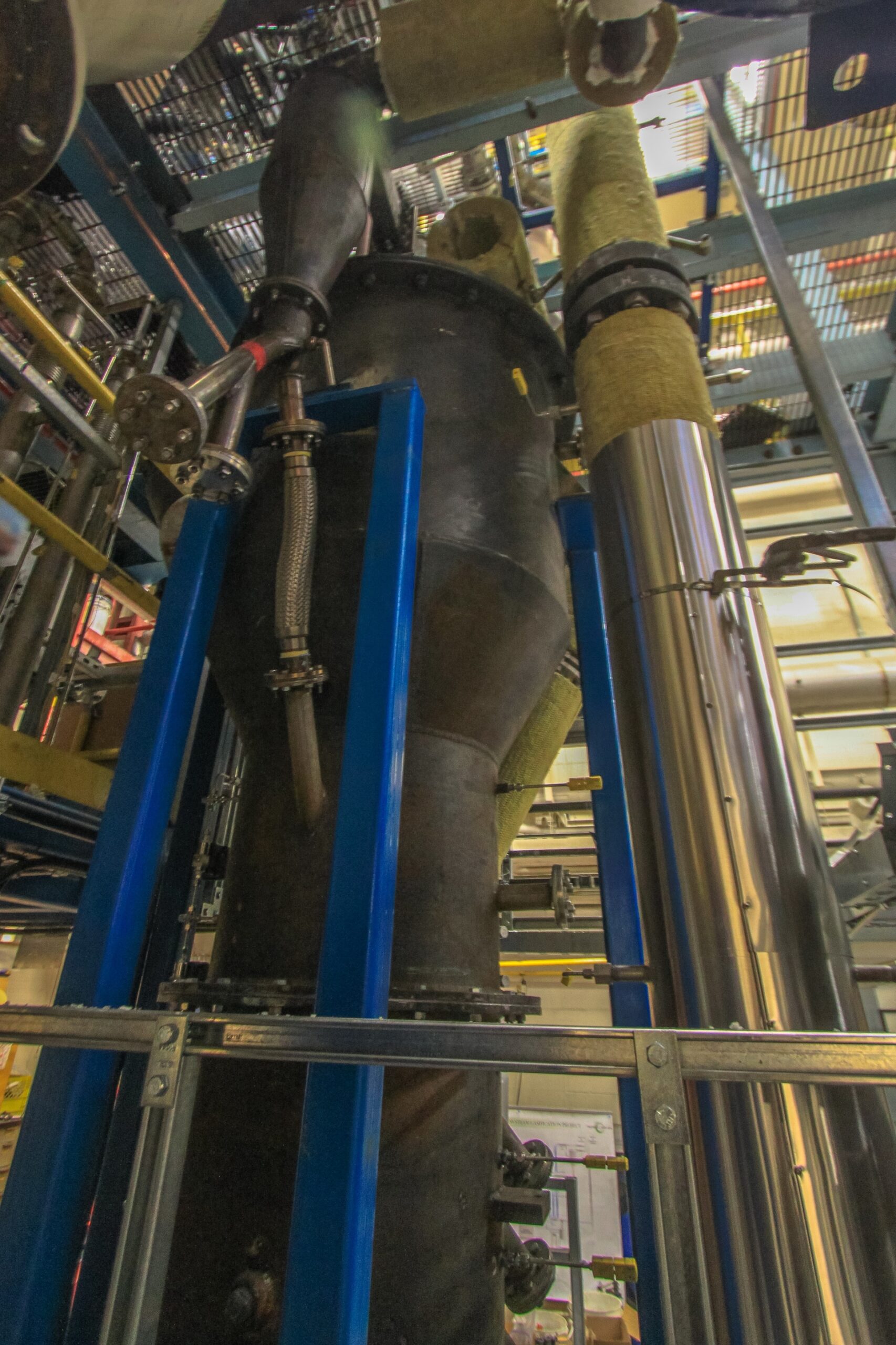
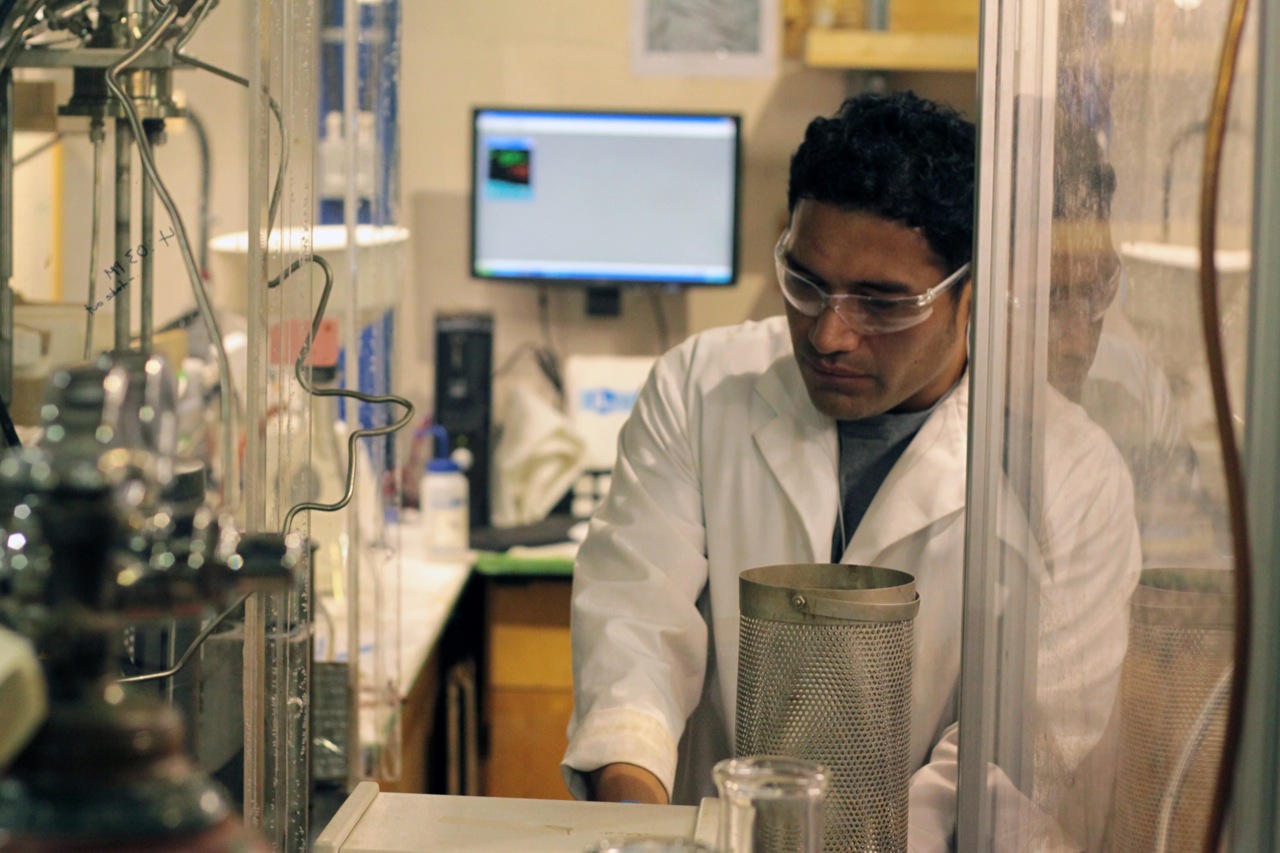
A grant was provided to the Clean Energy Research Centre at The University of British Columbia (“UBC”) to assist in the refurbishment and re-commissioning of the circulating fluidized bed gasifier in the Clean Energy Research Centre at UBC.  The principal objectives of this project were to restore and improve the UBC gasifier to a point where it can be used for biomass gasification tests in conjunction with local BC companies and the University.  The resulting facility will be able to respond to a wide range of different needs related to such questions as gasification performance of different biomass feed stocks at different operating conditions, co-feeding, gas quality and influence of additives.  Outcomes include outreach to the gasification industry and making the gasification facility widely available in the Province. Results obtained from tests carried out using the facility will adhere to the terms of the contracts or collaborative arrangements with partner companies and/or granting agencies.

The refurbishment of this equipment has permitted the re-launching of UBC’s gasification research activities at the Clean Energy Research Centre.

UBC Clean Energy Research Centre Website

Lignol Biochemical High Purity Lignin Research 2

Total Cost: $2,000,000
BCBN Investment: $1,180,000 grant

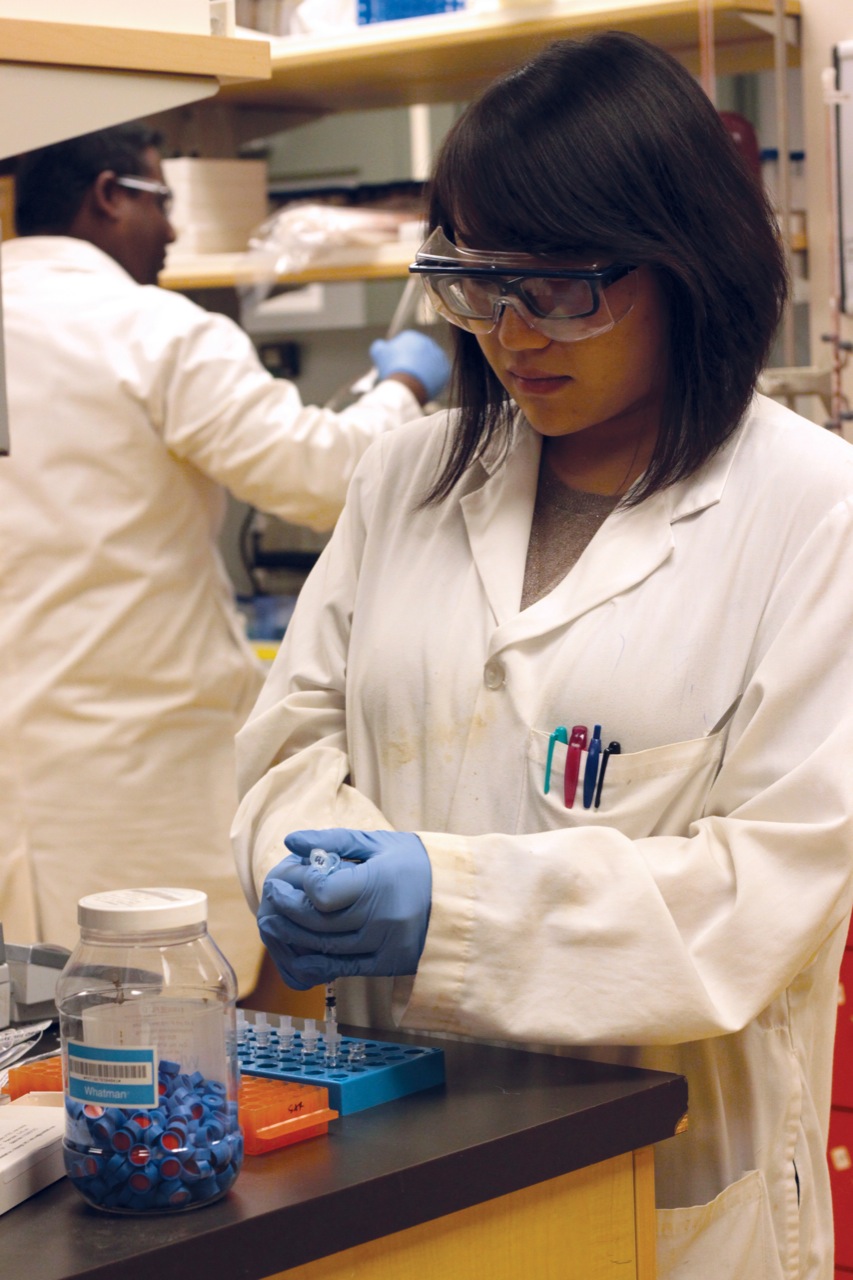
Lignol Innovations Ltd. (“Lignol”), a BC company, is currently developing proprietary biorefinery technology to convert lignocellulosic biomass into fuel ethanol, lignin-based products and other biochemicals.  Project 2, a project to support the Production and Functional Utilization of High Purity Lignin (“HP-L™”) Technical Lignins, proposed to undertake research activities at University of Victoria ($450,000), University of British Columbia ($100,000), Simon Fraser University ($100,000) and FP Innovations – Forintek ($300,000).  In addition, Lignol planned to spend $850,000 at its research facilities in Burnaby as part of this Project.

The key Project achievements were:

  • Conducted over 2,000 individual extraction experiments with a variety of BC feedstocks producing a vast number of technical lignin samples for subsequent characterization;
  • Developed a new NMR technique which greatly enhanced the efficiency and accuracy of the analysis;
  • Established a large database linking HP-L lignins’ physicochemical properties, biomass processing conditions and performance;
  • Identified key feedstock and process combinations that have economic significance;
  • Achieved a number of breakthroughs in wood adhesive applications; and
  • Confirmed that HP-L lignins can be used as remediation agents for the removal of certain heavy metals, and to a lesser degree, organic toxins in waste water.

The Project was completed on December 31, 2011.

Lignol Energy Corporation Website

Nexterra CHP Gasifier Demonstration And R&D At UBC 2

Total Cost: $26,700,000
BCBN Investment: $1,500,000 grant

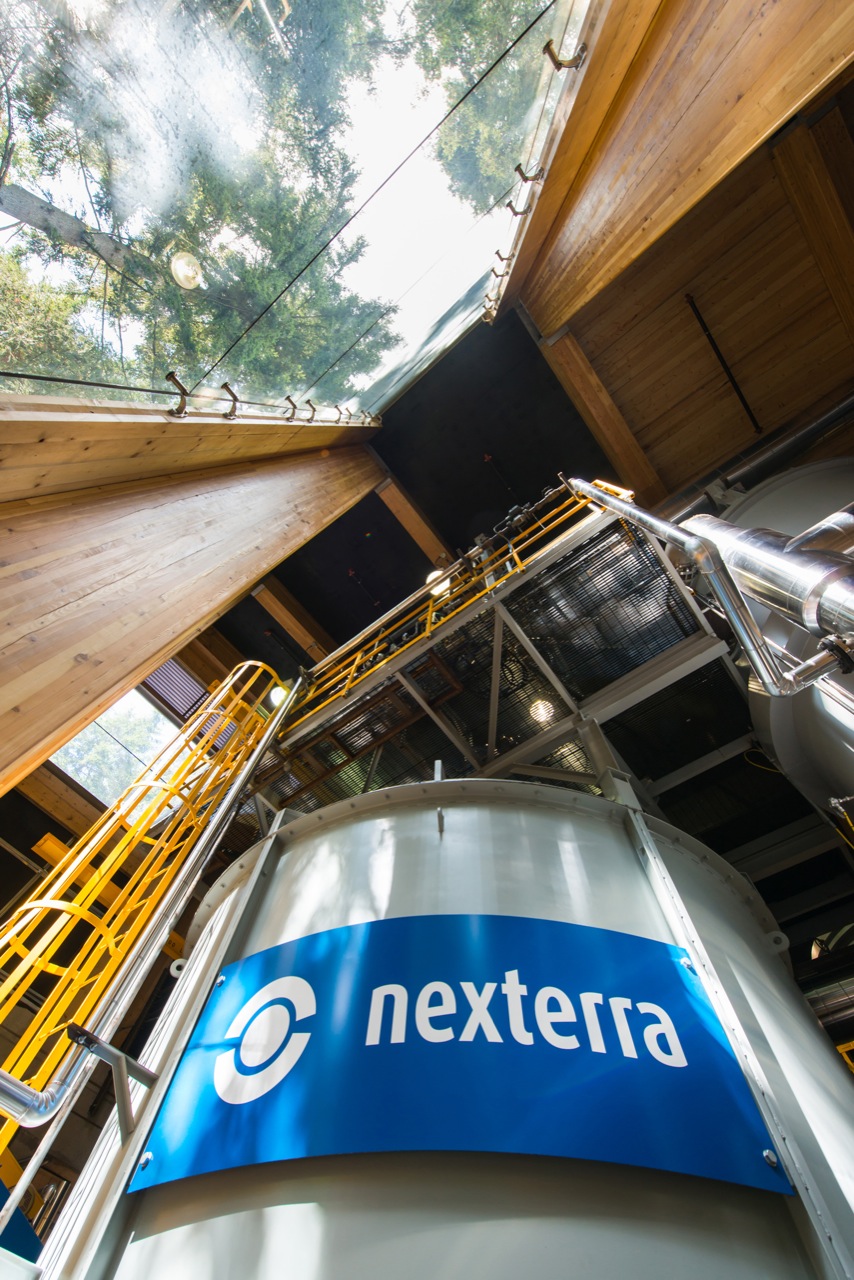
This funding will be used to support Nexterra’s recently announced program to commercialize a new high efficiency biomass power system in collaboration with GE Jenbacher and GE Energy following the successful demonstration of clean syngas production completed in Project 1.  This advanced combined heat and power (“CHP”) system involves direct-firing syngas from Nexterra’s biomass gasification technology into GE’s Ecomagination-certified Jenbacher internal combustion engines.

The successful start-up of the project at UBC – officially named the “Bioenergy Research and Demonstration Facility (BRDF)” – represents an important milestone in Nexterra’s quest to reliably convert low-value waste feedstocks into higher value renewable fuels and chemicals. The system has completed a comprehensive testing program for reliability, capacity and emissions, and has successfully connected to the grid.  The Bioenergy Research and Demonstration Facility was officially opened on September 13, 2012.

This project is part of UBC’s Living Lab and the University’s commitment to substantially reduce its carbon footprint.

Nexterra Systems Corp. Website

ICC Organics to Synthetic Biodiesel

Total Cost: $7,700,000
BCBN Investment: $1,500,000 loan with convertible provisions

International Composting Corporation (“ICC Group”), a BC based bioenergy solutions company located in Victoria, with operations in Nanaimo, is the developer of proprietary technology to transform source-separated organic waste and lawn and garden waste into compost and fertilizer.  The Company is now advancing its technology to thermo-chemically gasify this waste material and then transform the synthetic gases into a liquid biodiesel transportation fuel, using the Fischer-Tropsch process.

Presently, ICC Group has reported on the successful development of a suitable catalyst, a critical element of the Fisher-Tropsch conversion process of the synthesis gas to liquid fuels.  Larger scale production runs are now planned to ensure usable product for mid-2013.

Production of synthetic biodiesel from the demonstration plant is expected to be available in mid- 2013 and such a successful demonstration will be a world first on a small-to-intermediate sized bioenergy system.


ICC Group Website

Bakerview Ecodairy Small-Scale Anaerobic Digestion

Total Cost: $600,000
BCBN Investment: $240,000 grant

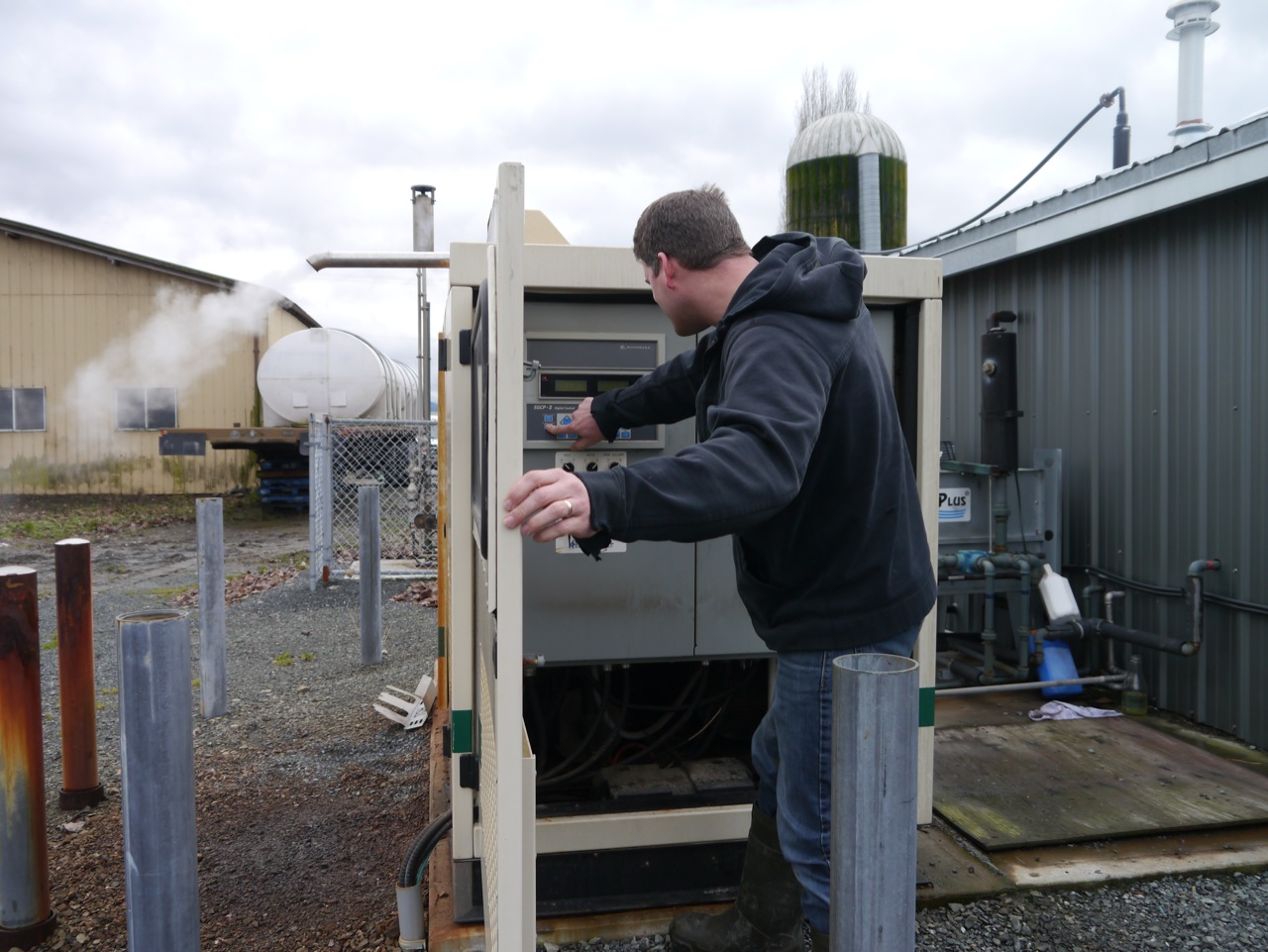
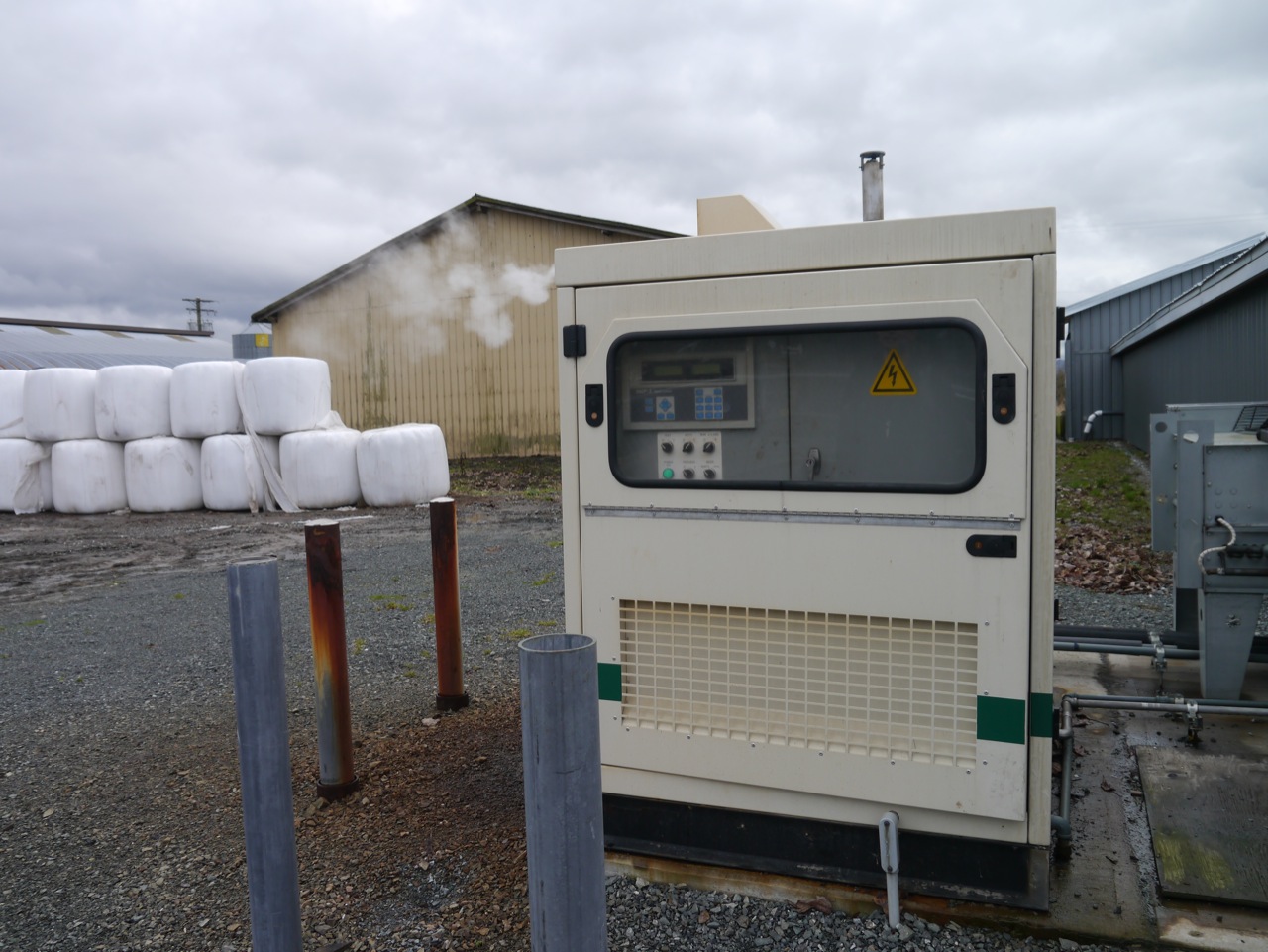
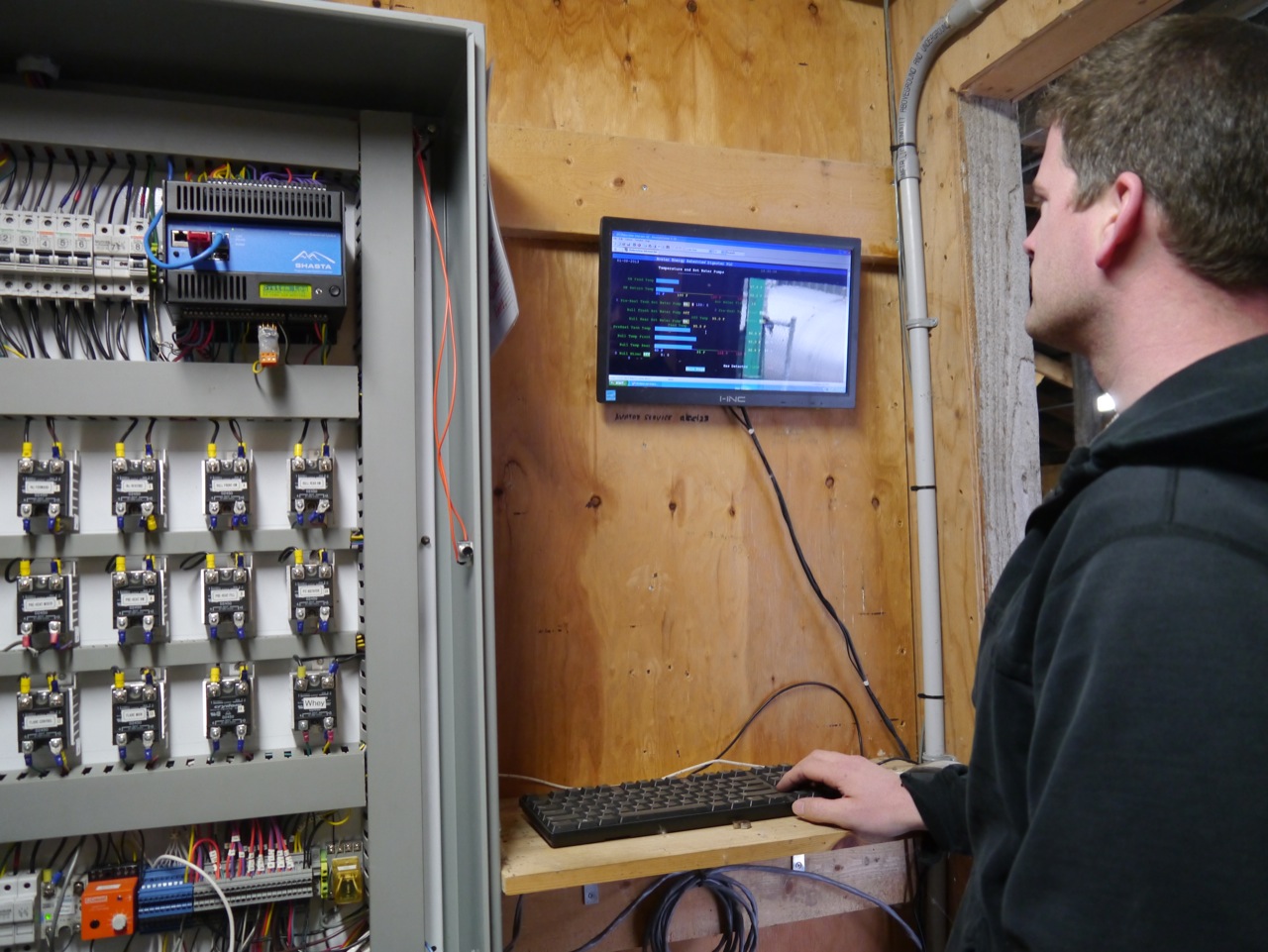
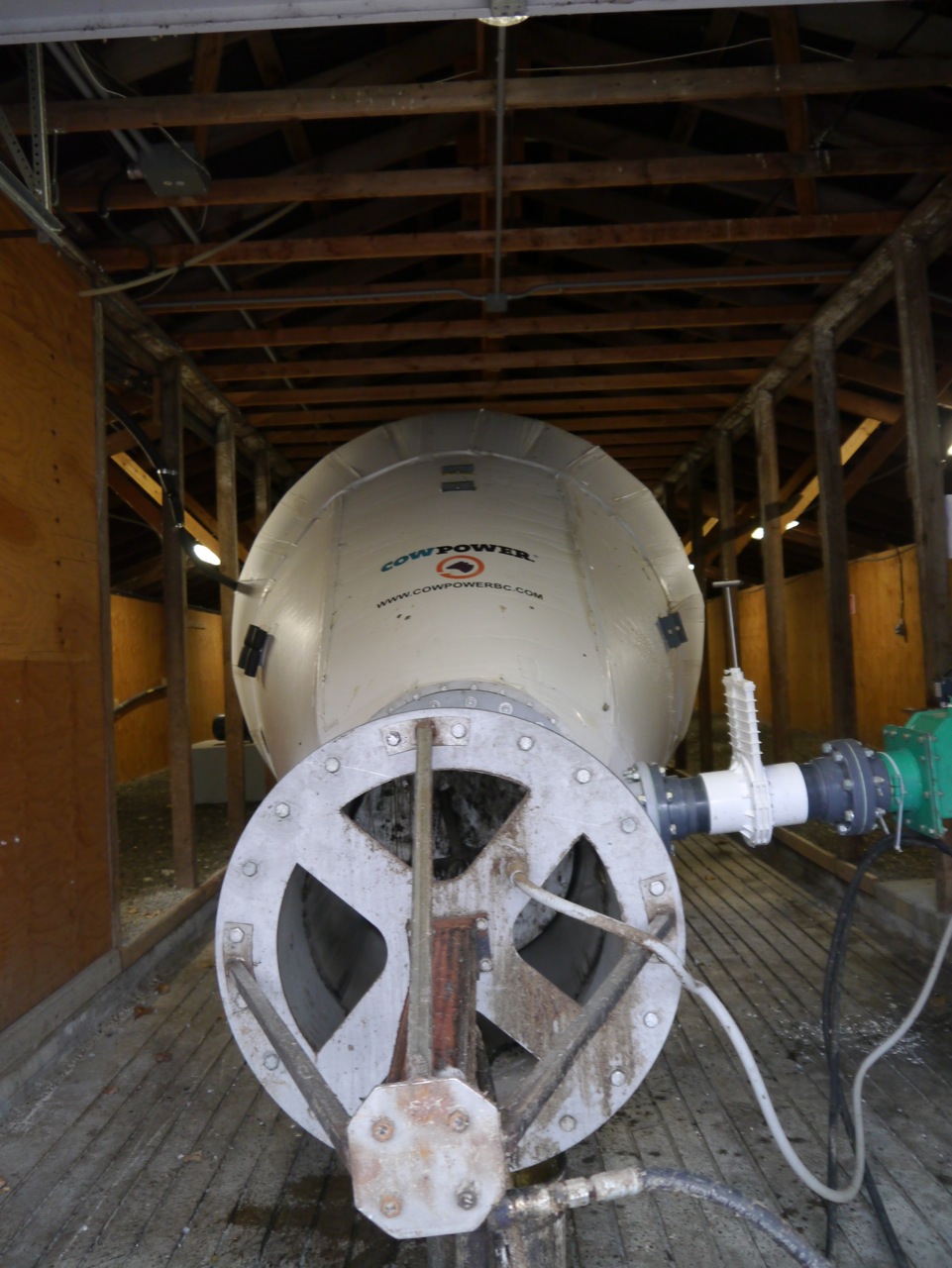
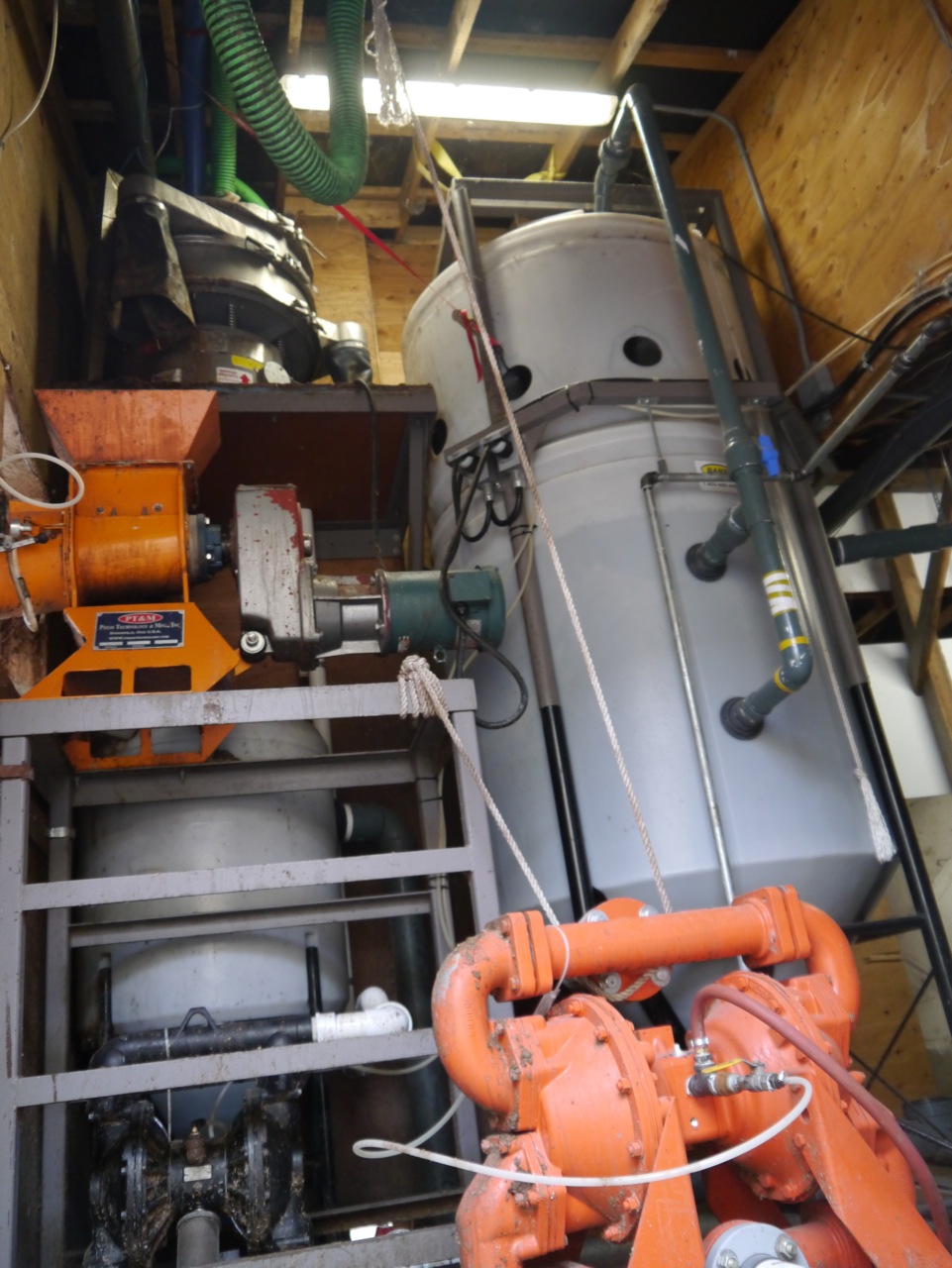
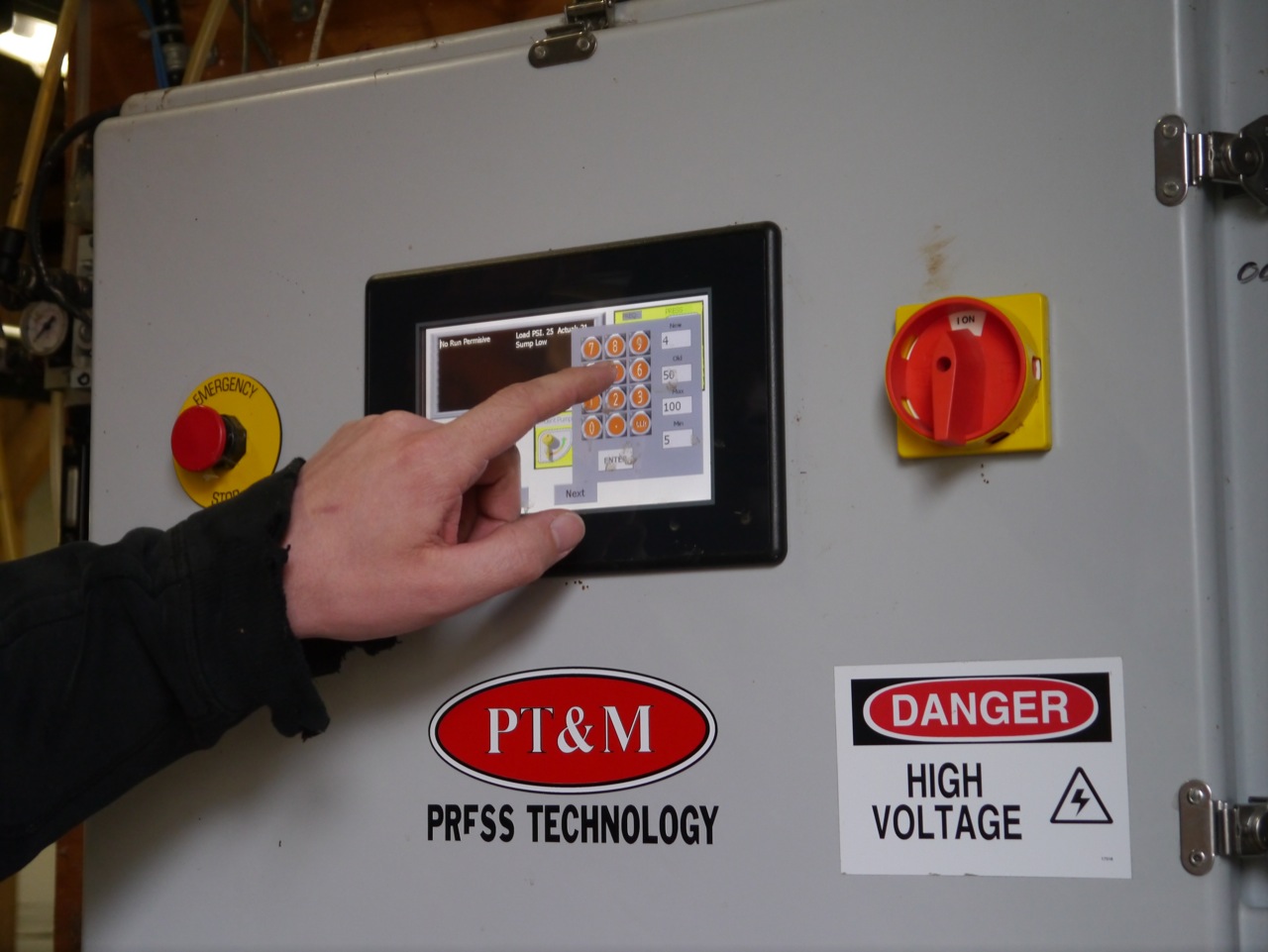
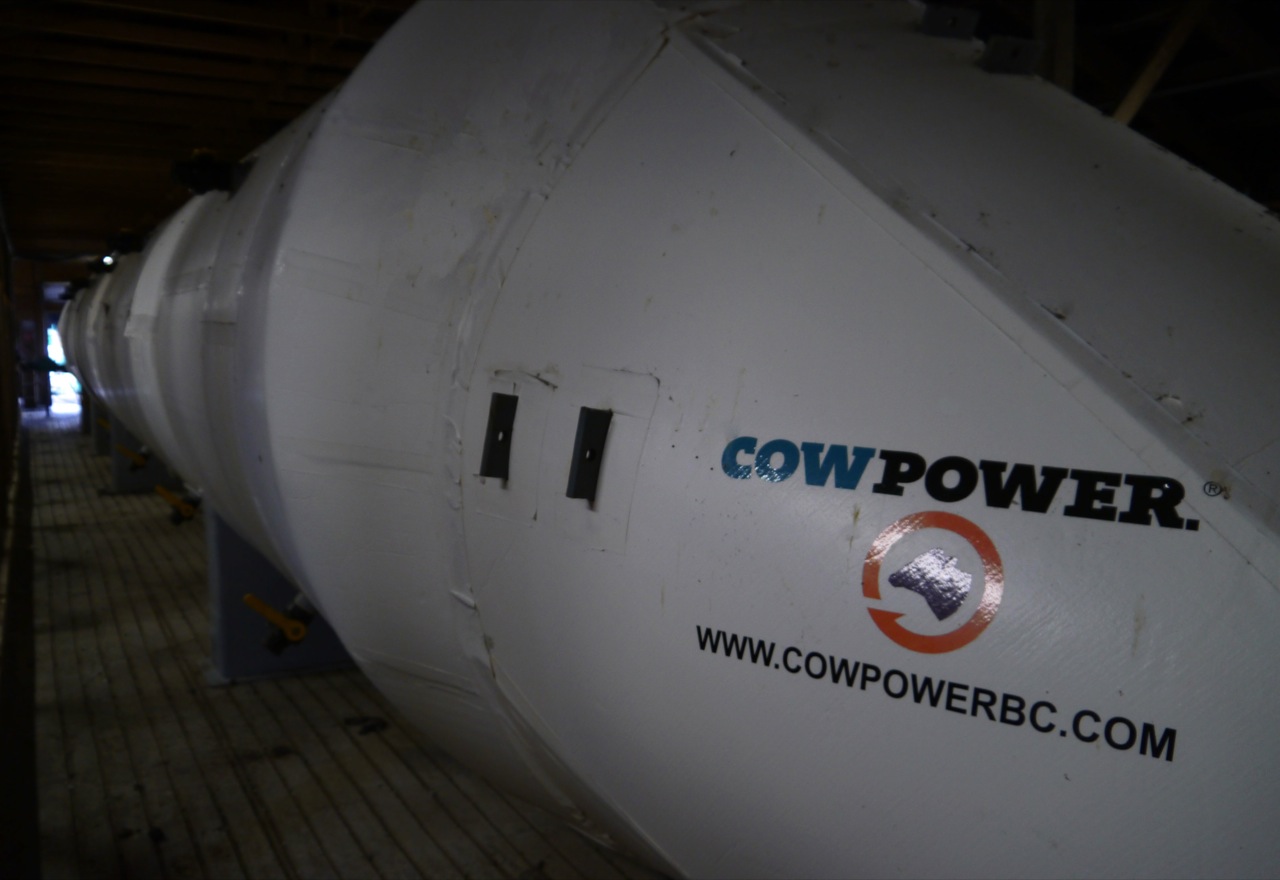
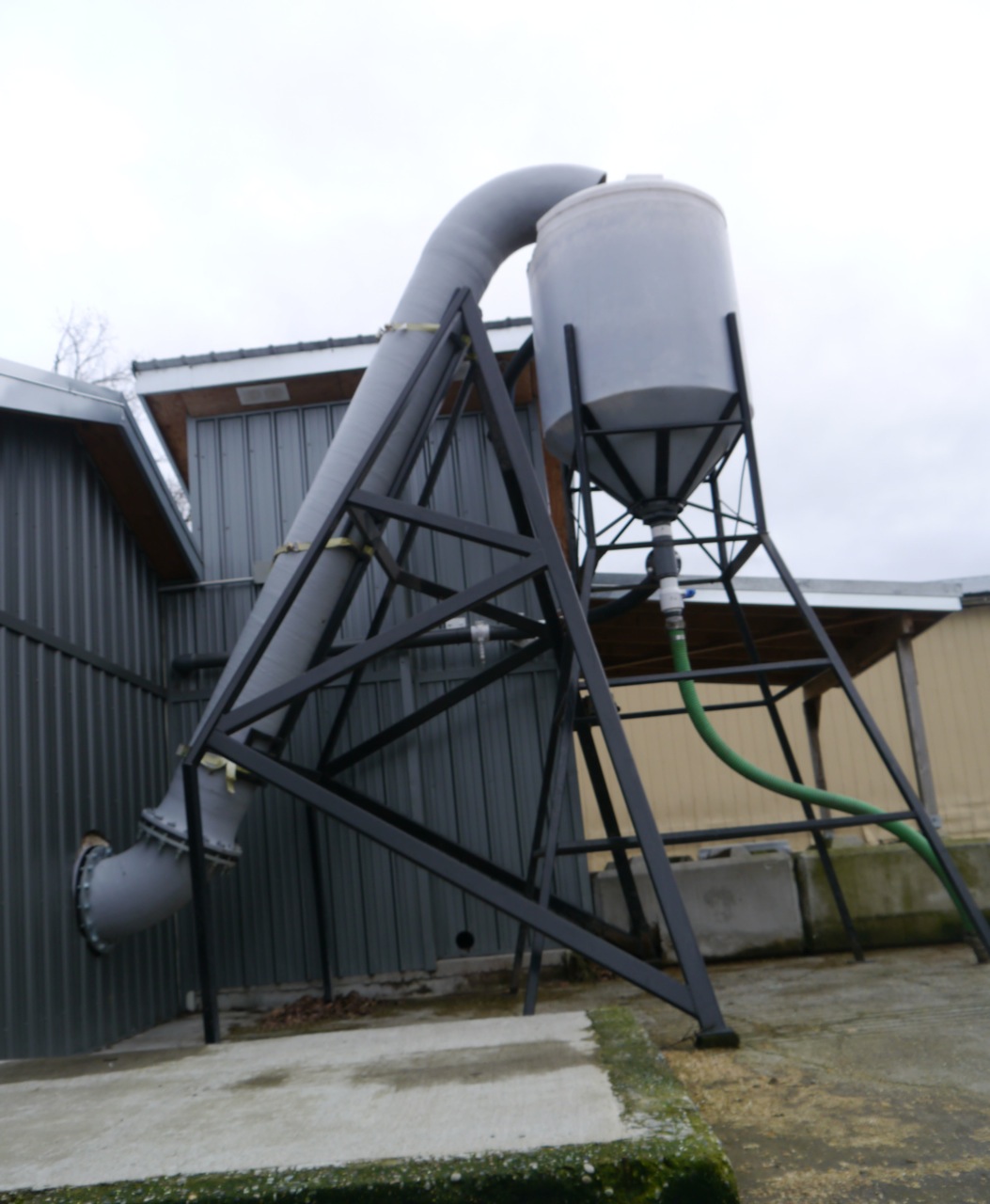
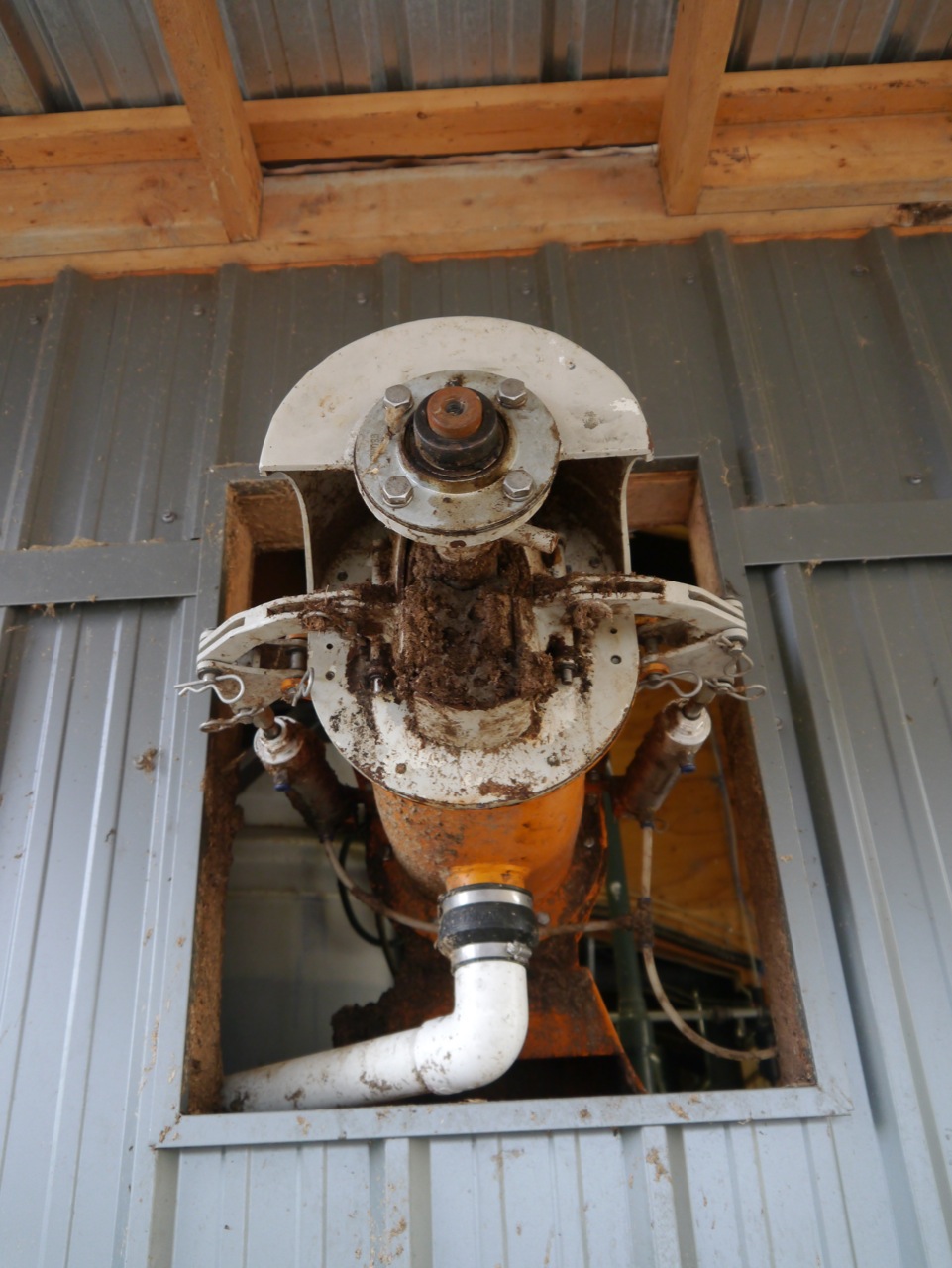
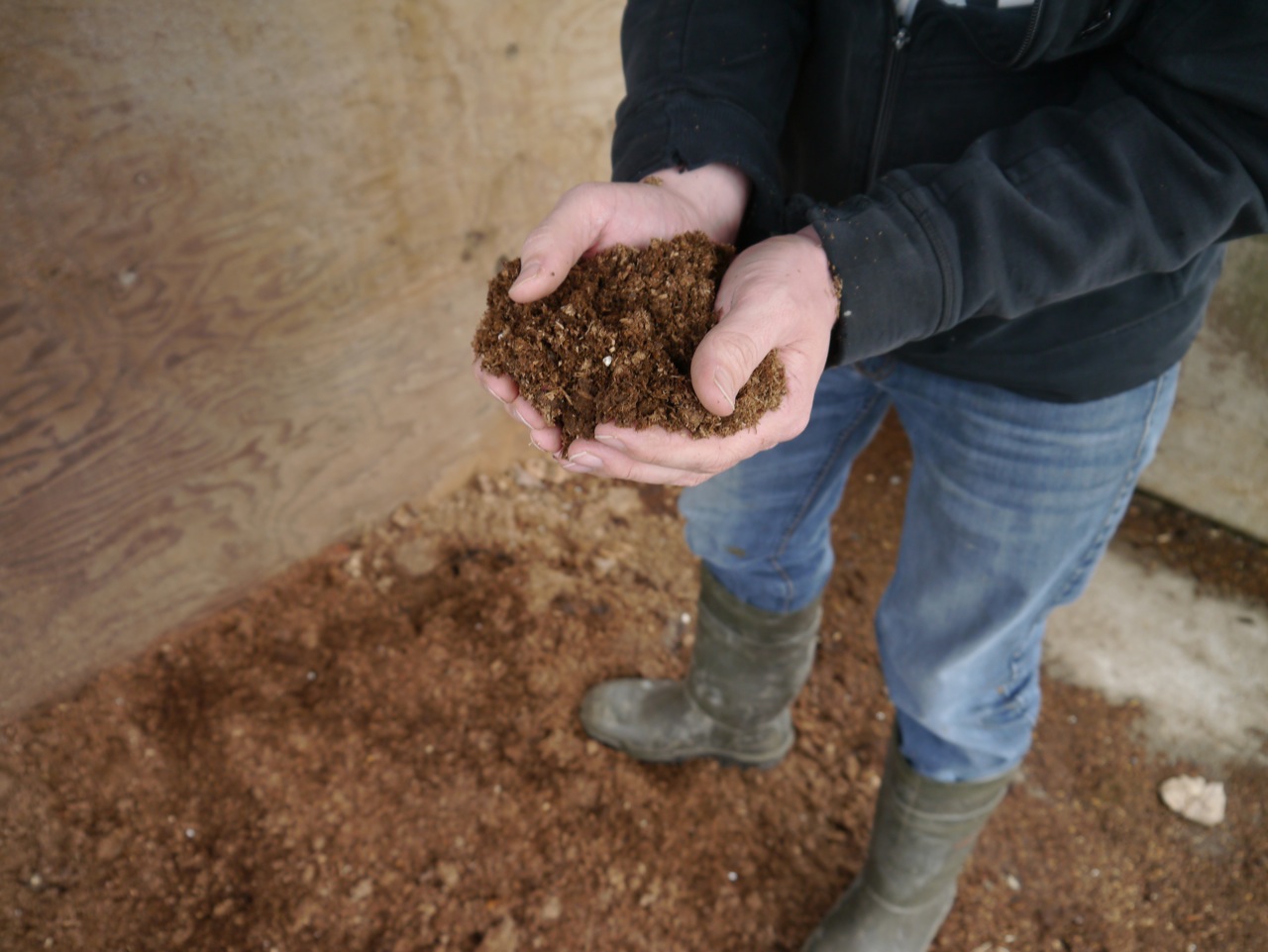
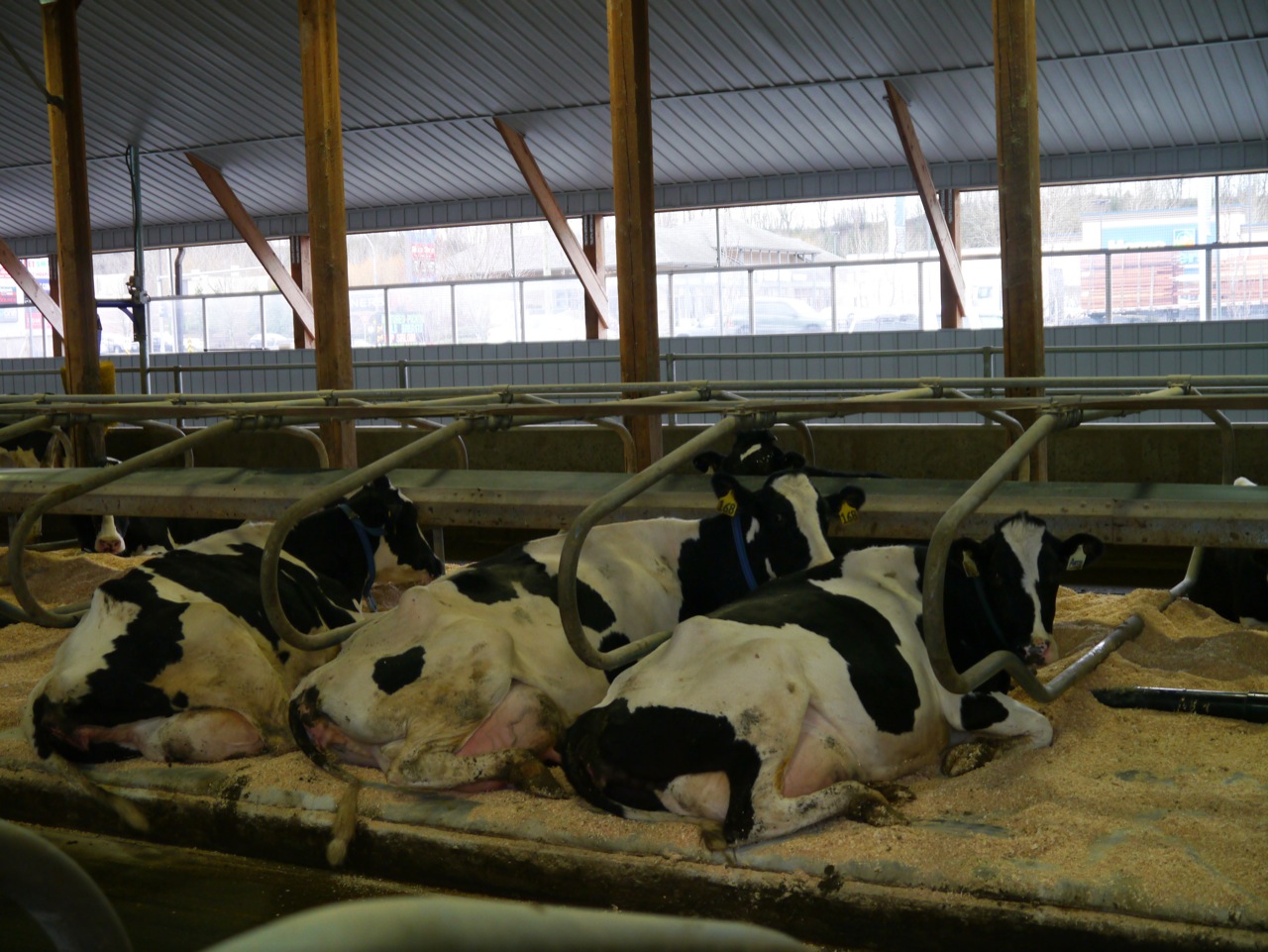
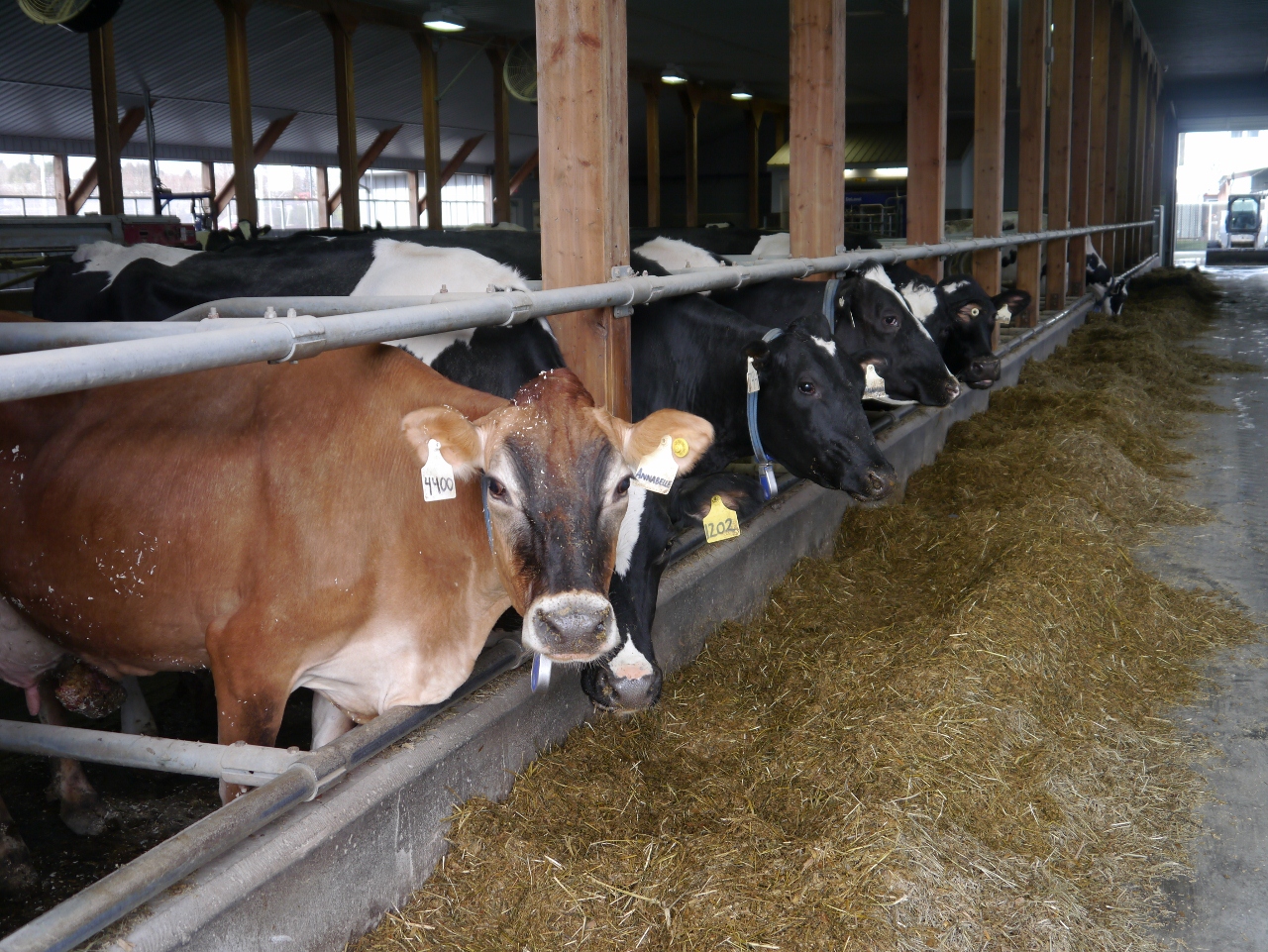
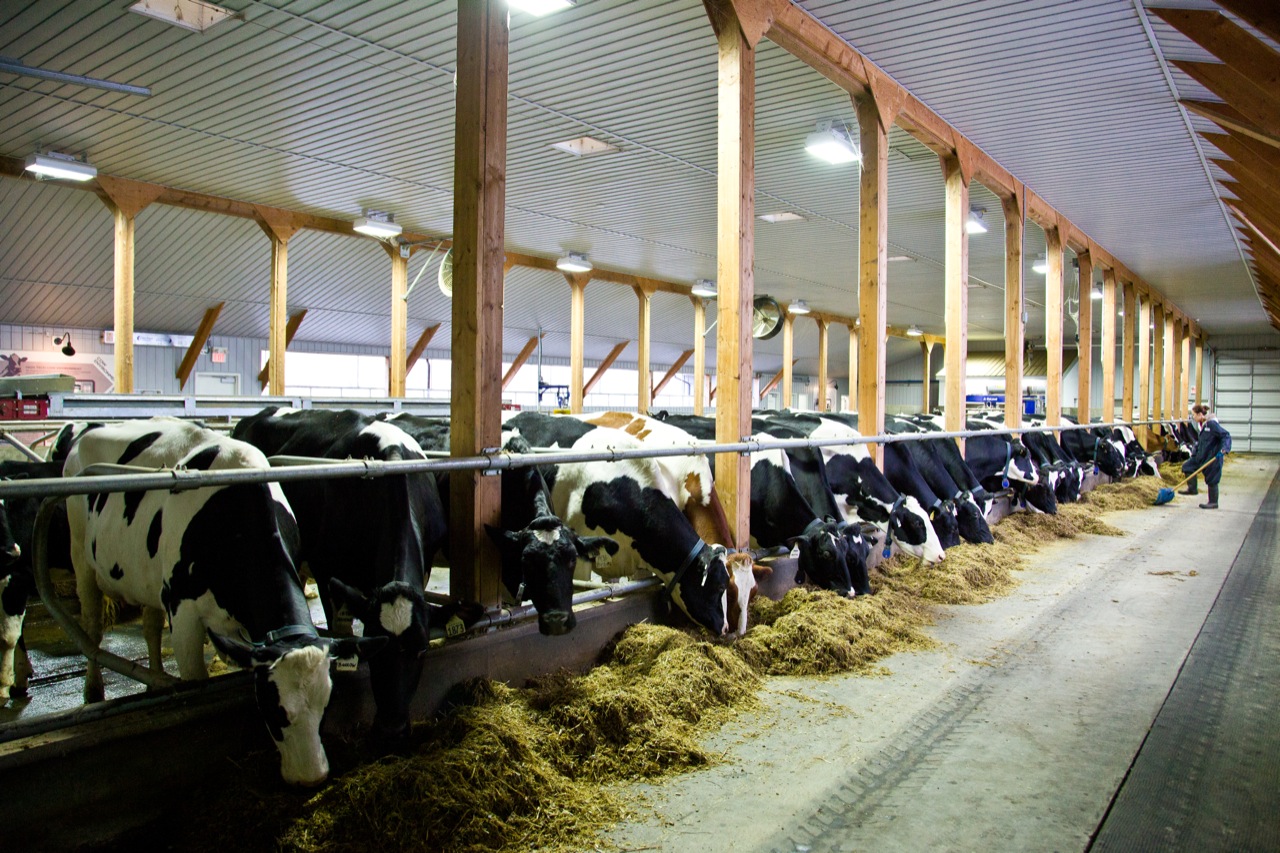
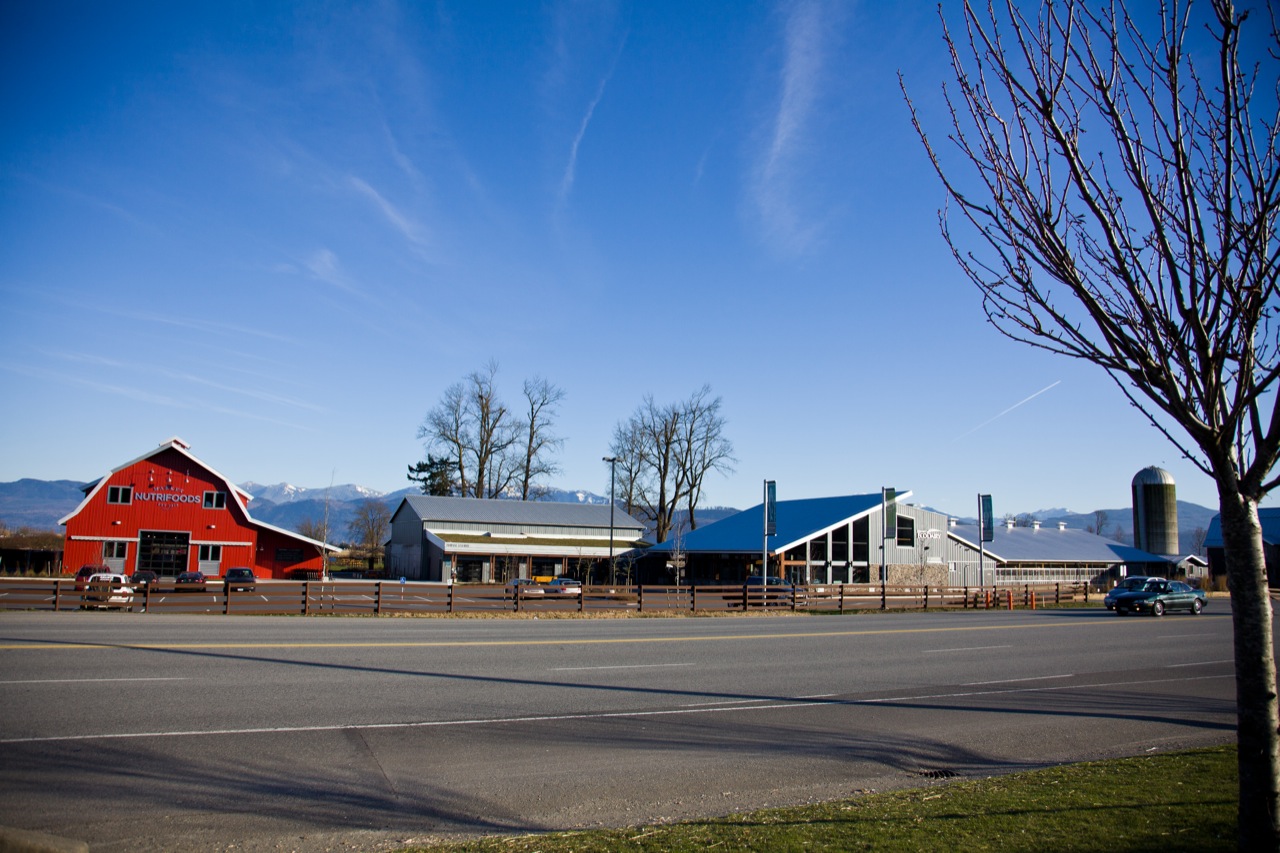
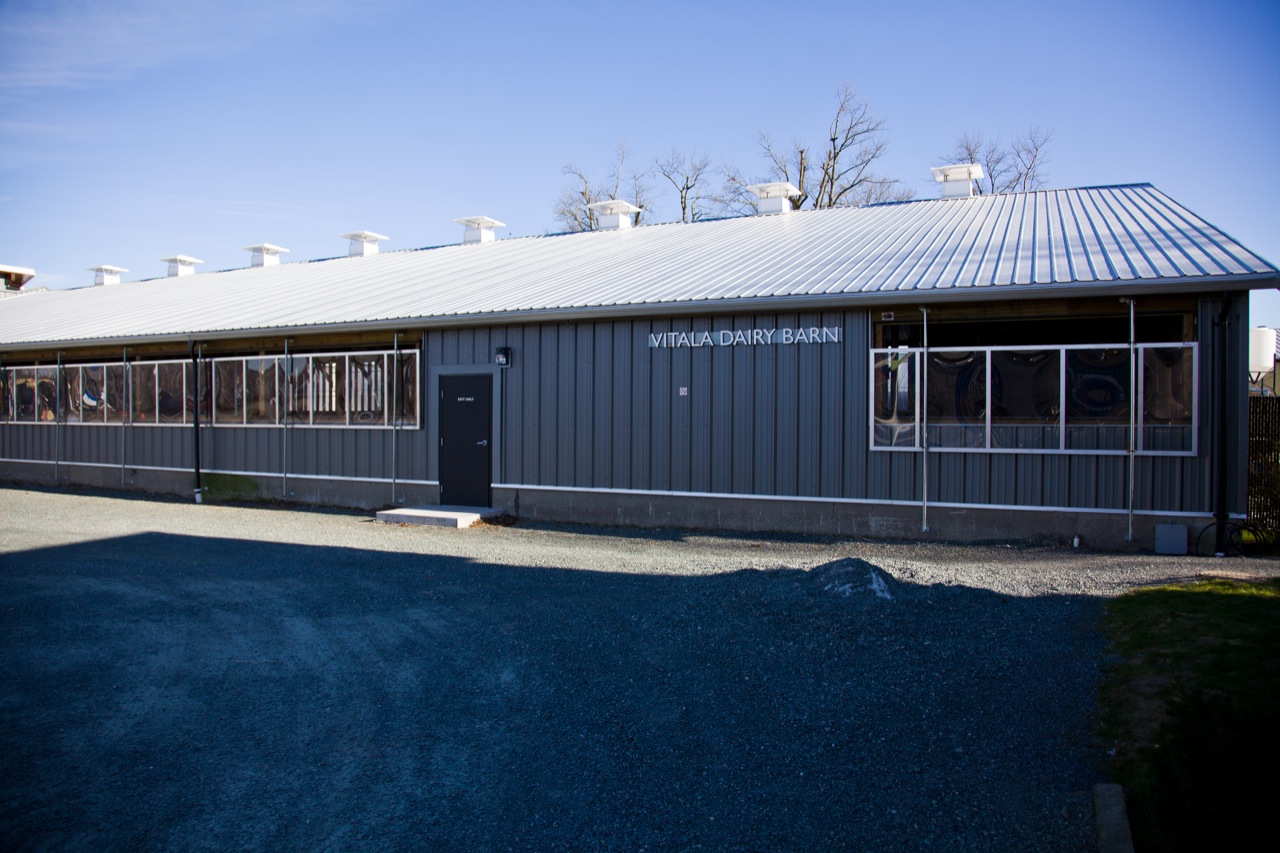
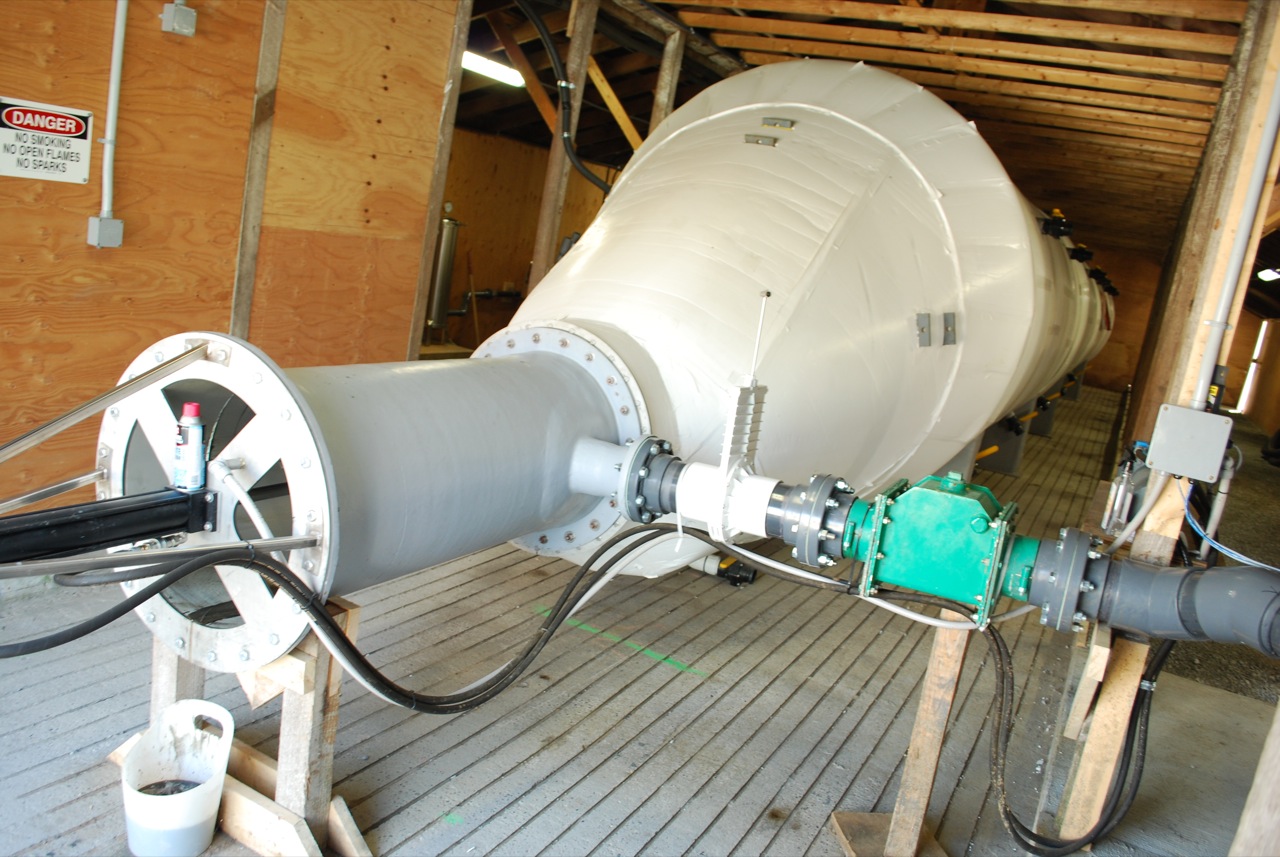
EcoDairy is part of the Nutriva Group, an integrated group of agri-businesses involved in specialty feed ingredient development and distribution, farming, and functional whole food development and marketing.  This project, located in Abbotsford, is intended to demonstrate cost-effective, sustainable anaerobic digester systems for conversion of dairy manure to by-products such as electricity, heat, bedding, and fertilizer, as well as the additional benefits from odour and pathogen control for small to medium-sized dairy farms in BC.

Presently, the facility is in full operation and open to the public.

Bakerview Ecodairy Website

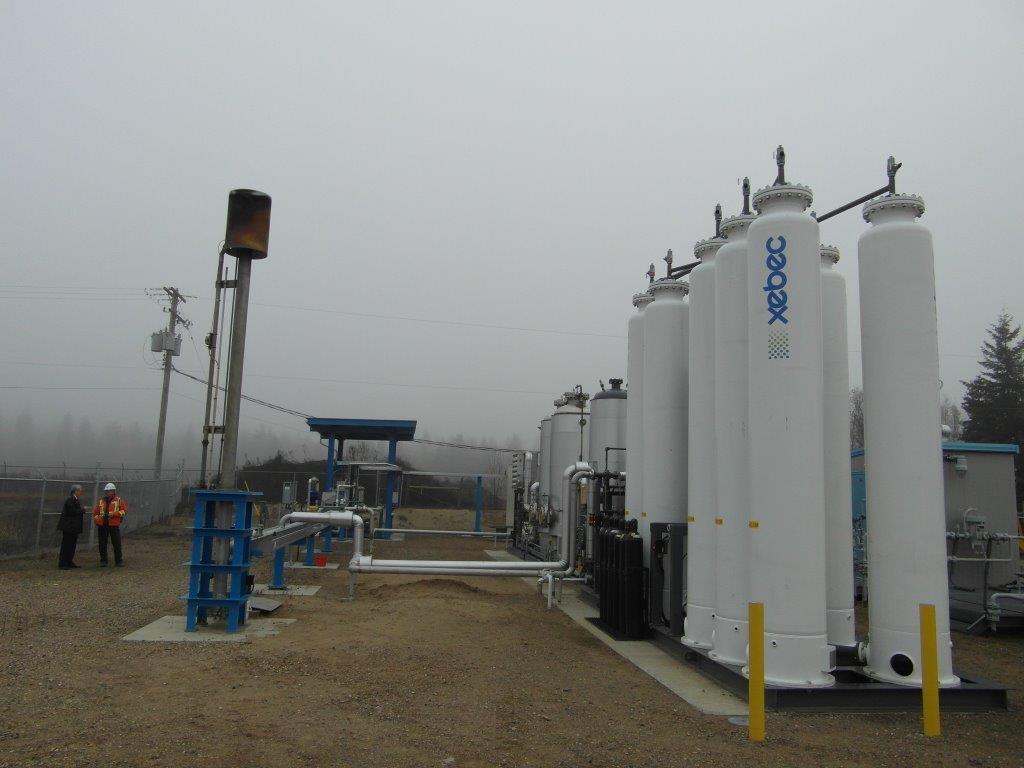
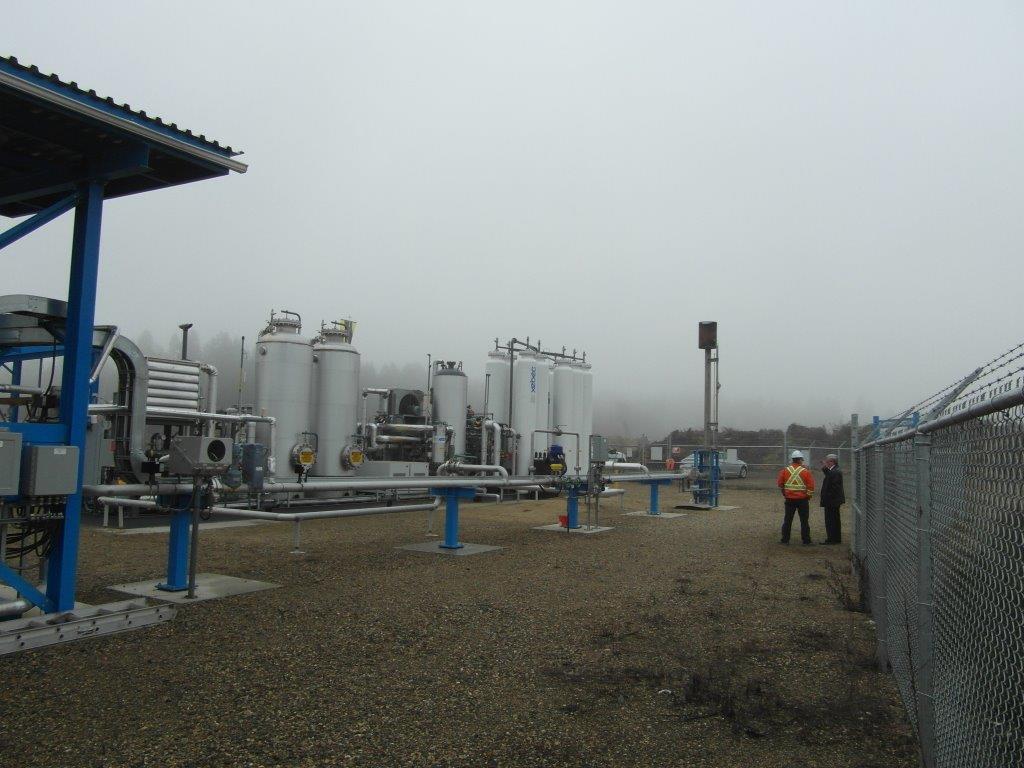
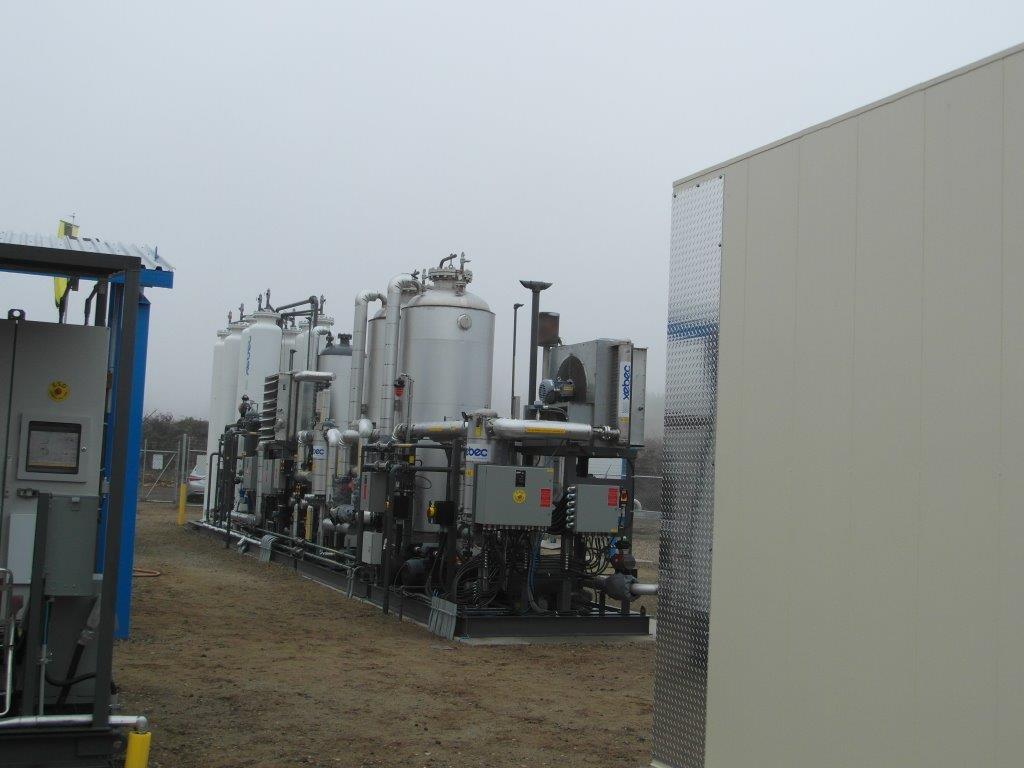
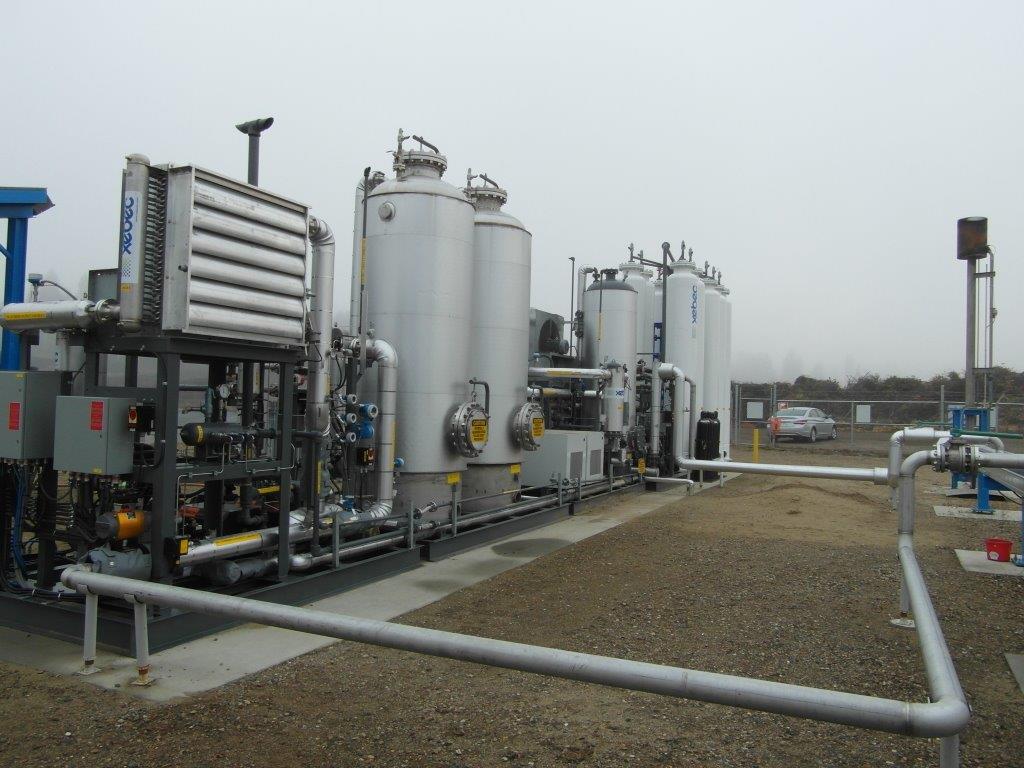
Columbia Shuswap Biogas Clean-Up And Injection To Pipeline

Total Cost: $1,350,000
BCBN Investment: $200,000 grant

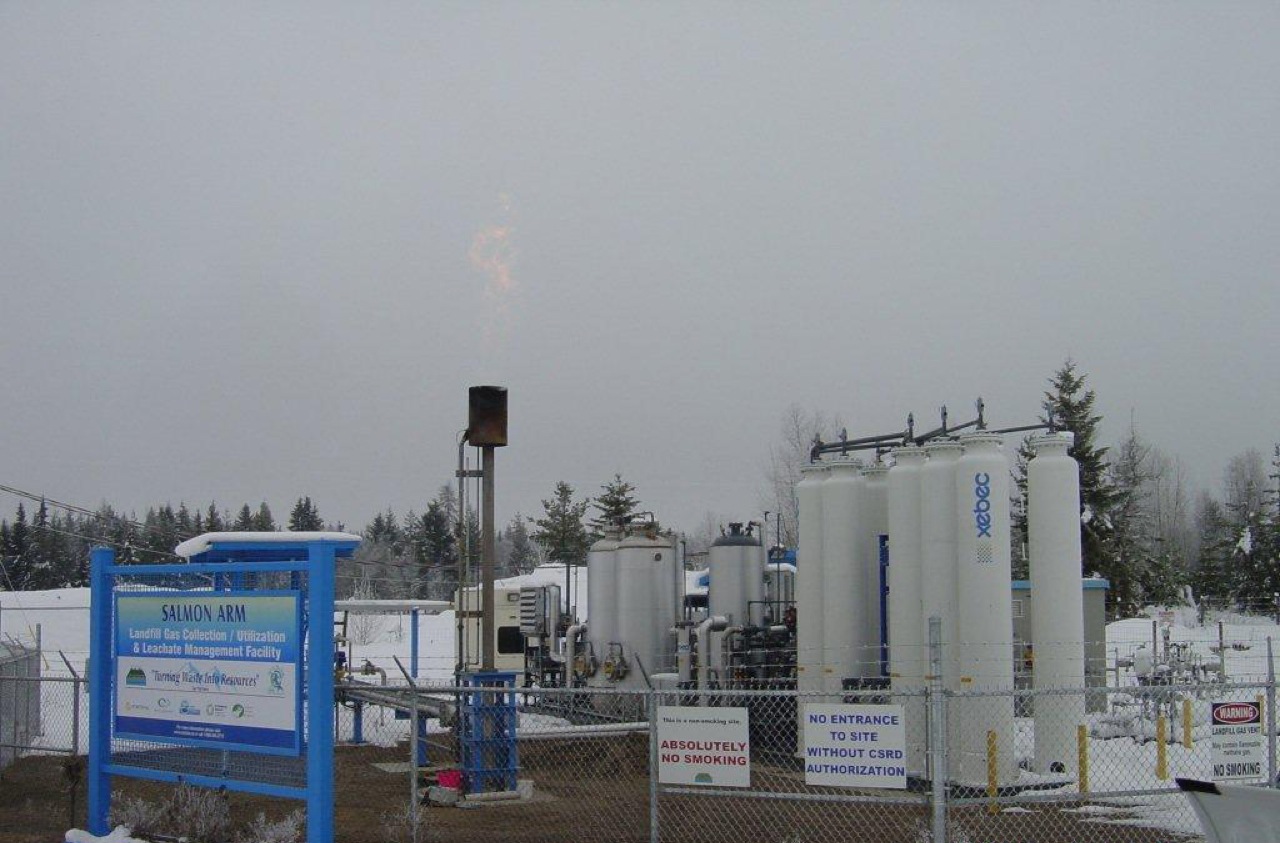
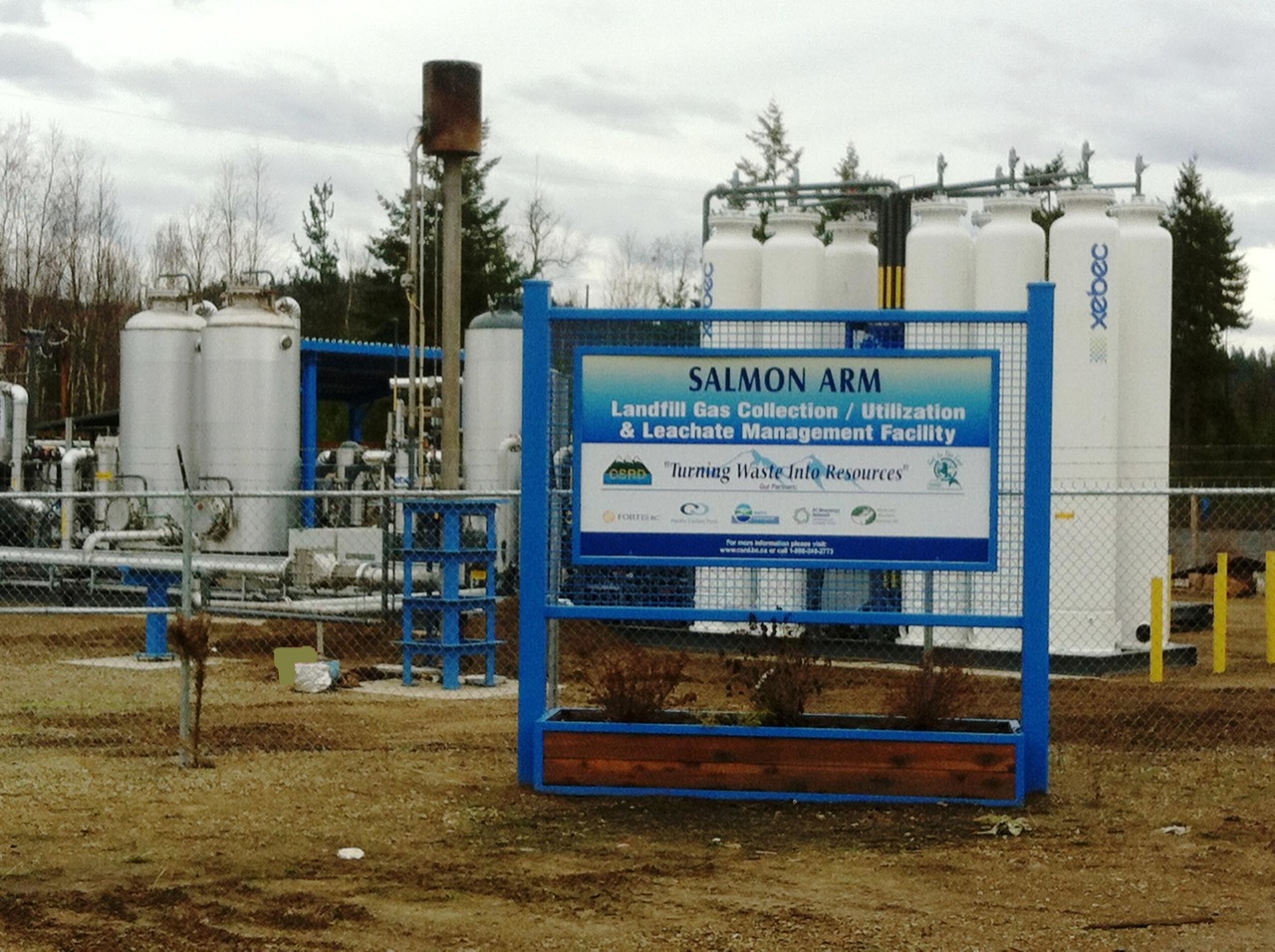
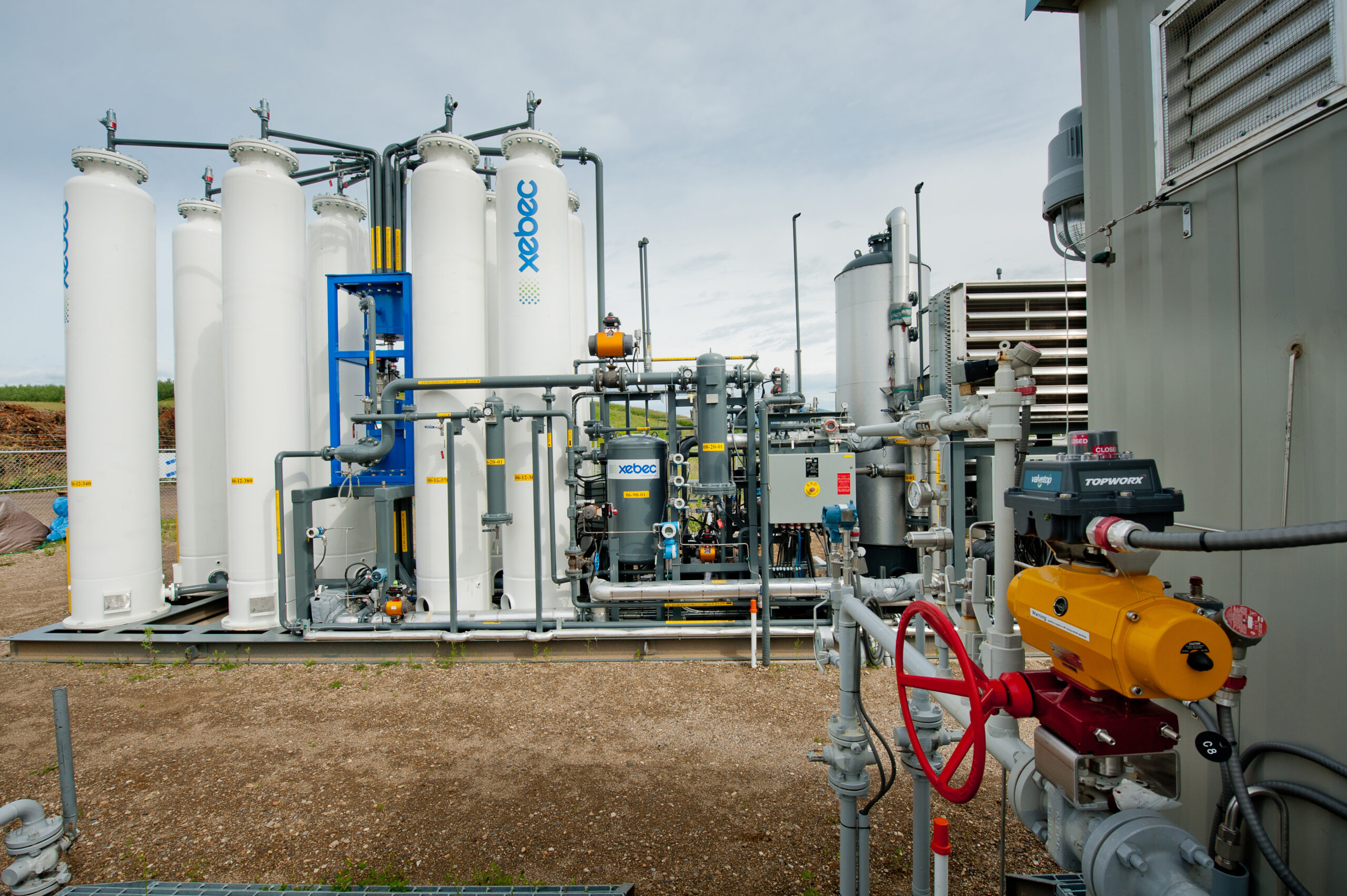
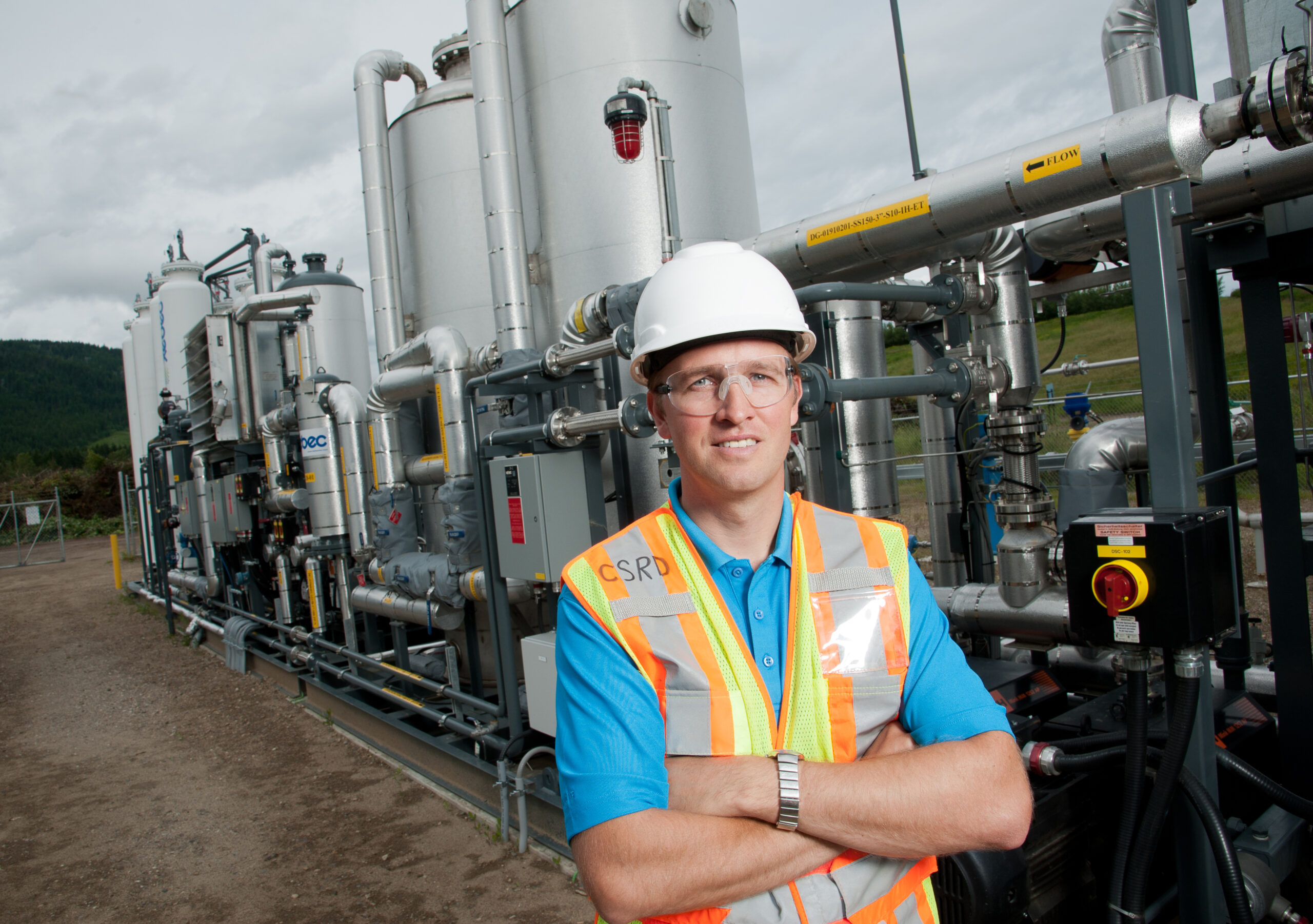
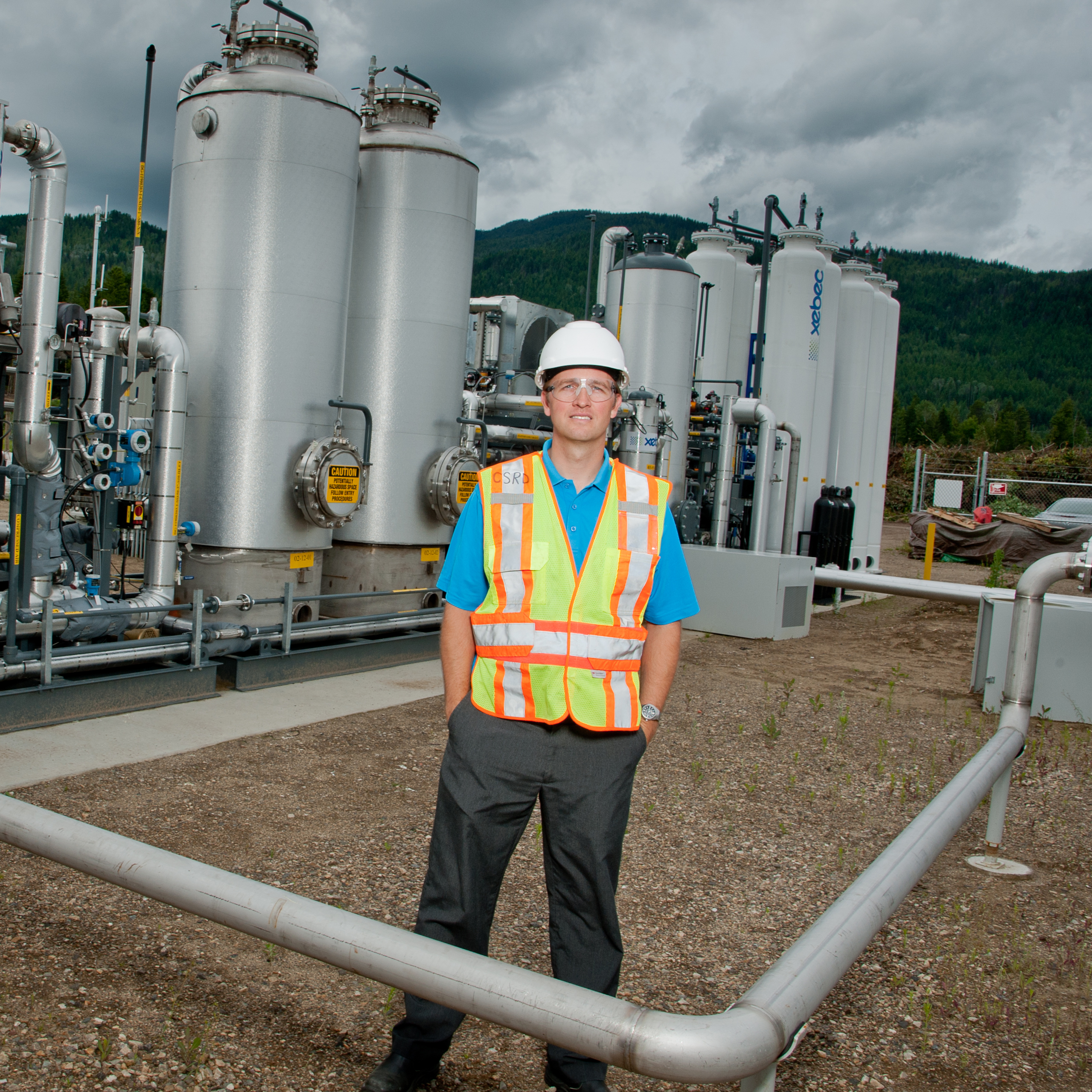
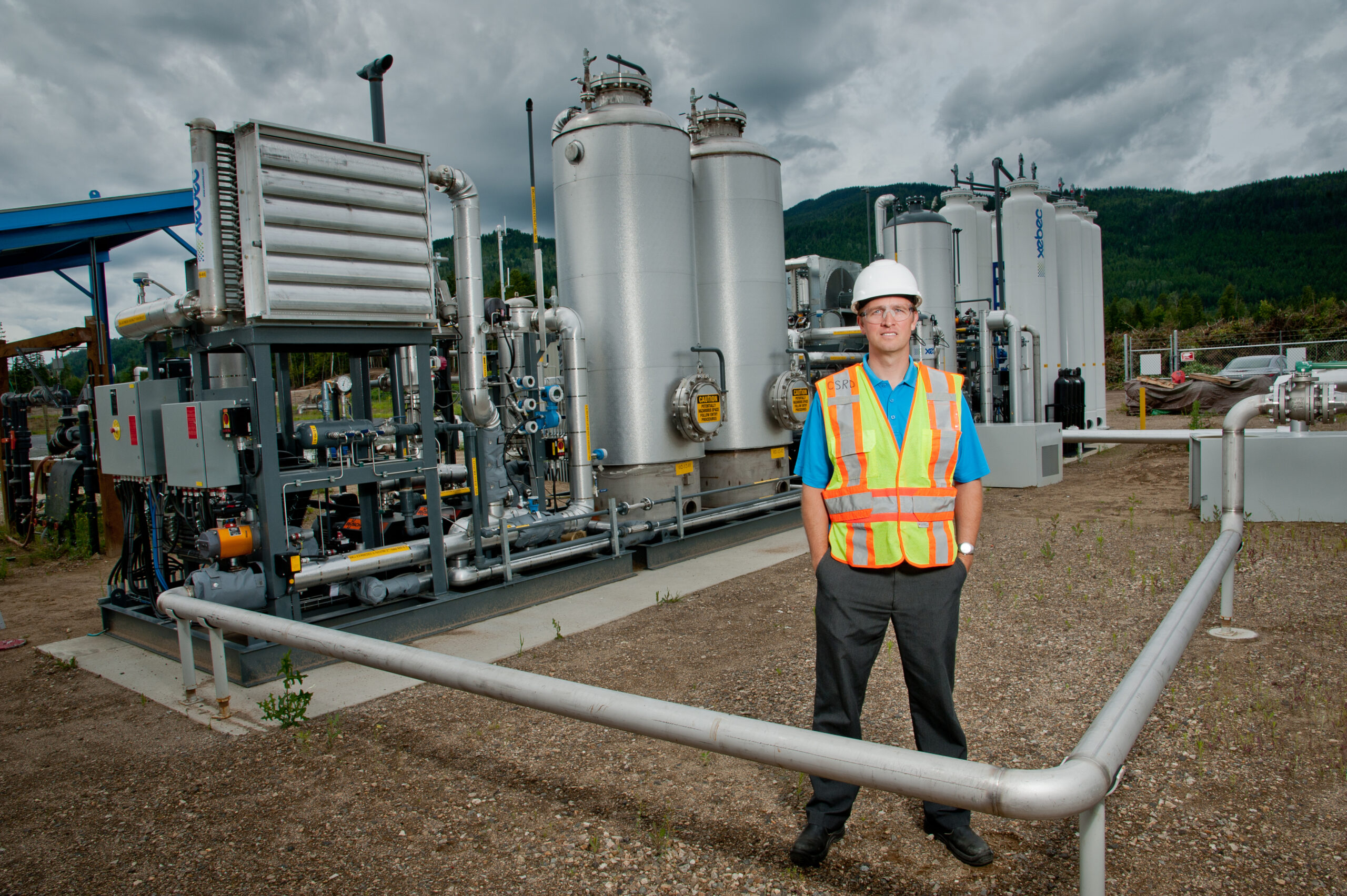
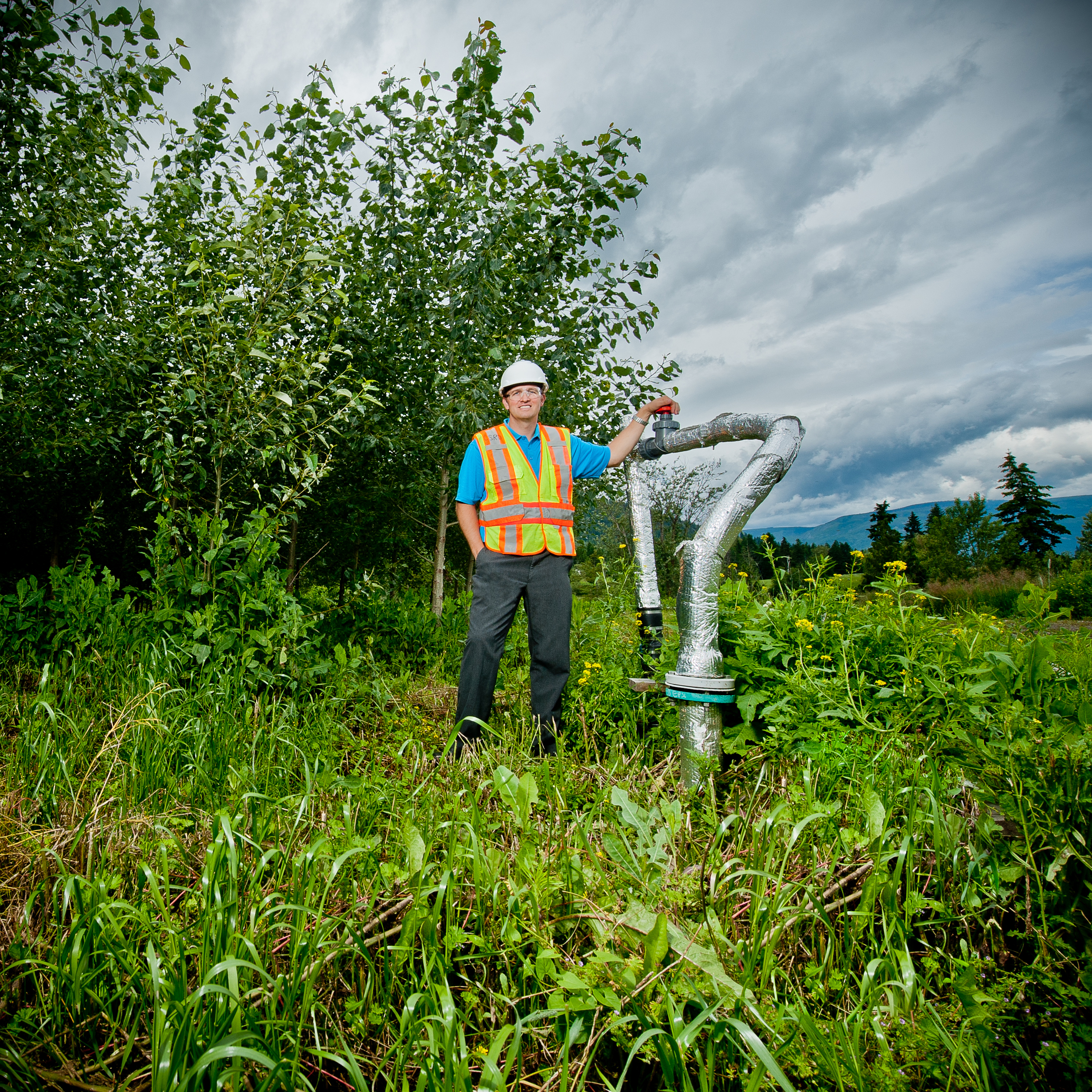
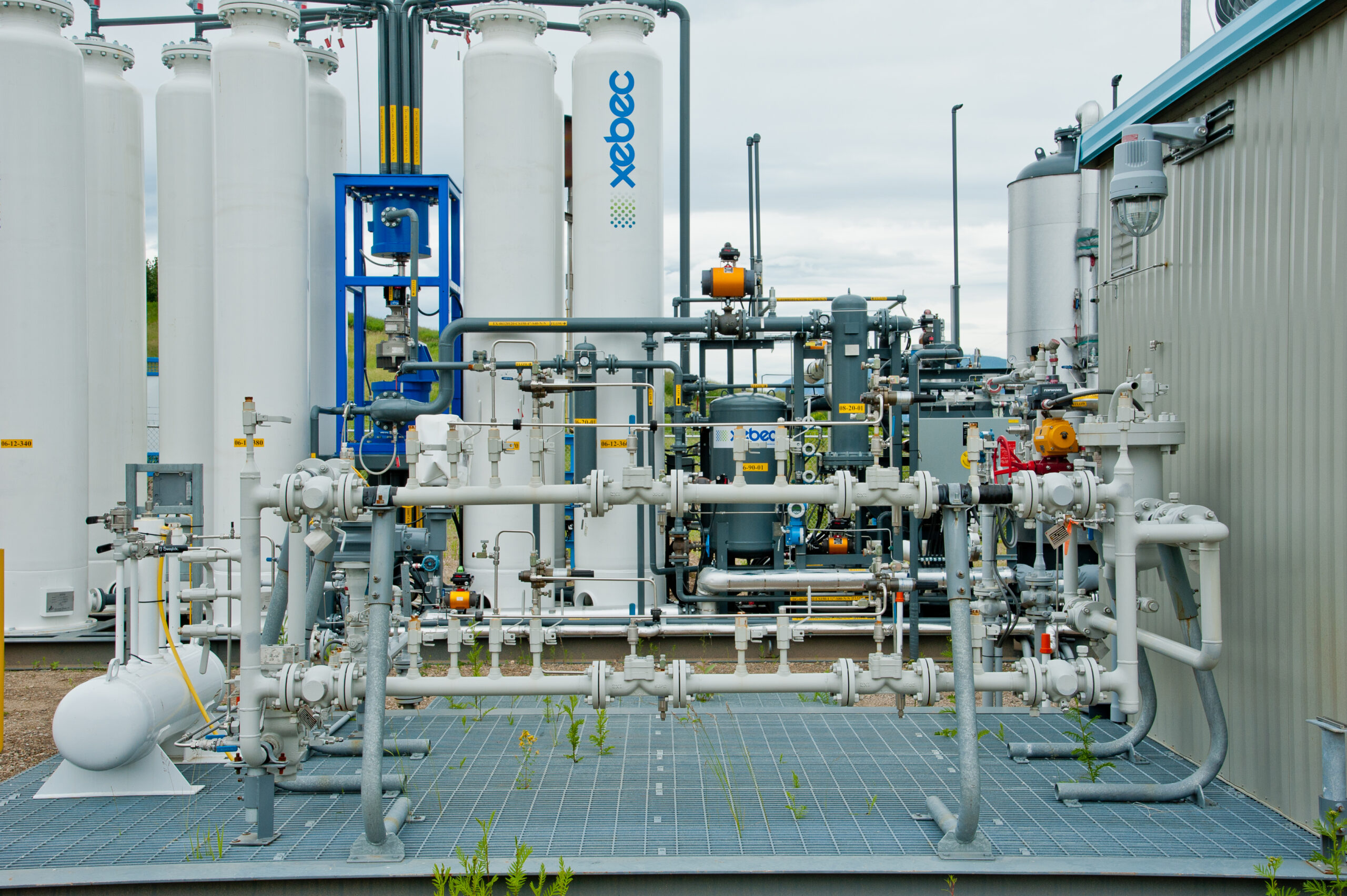
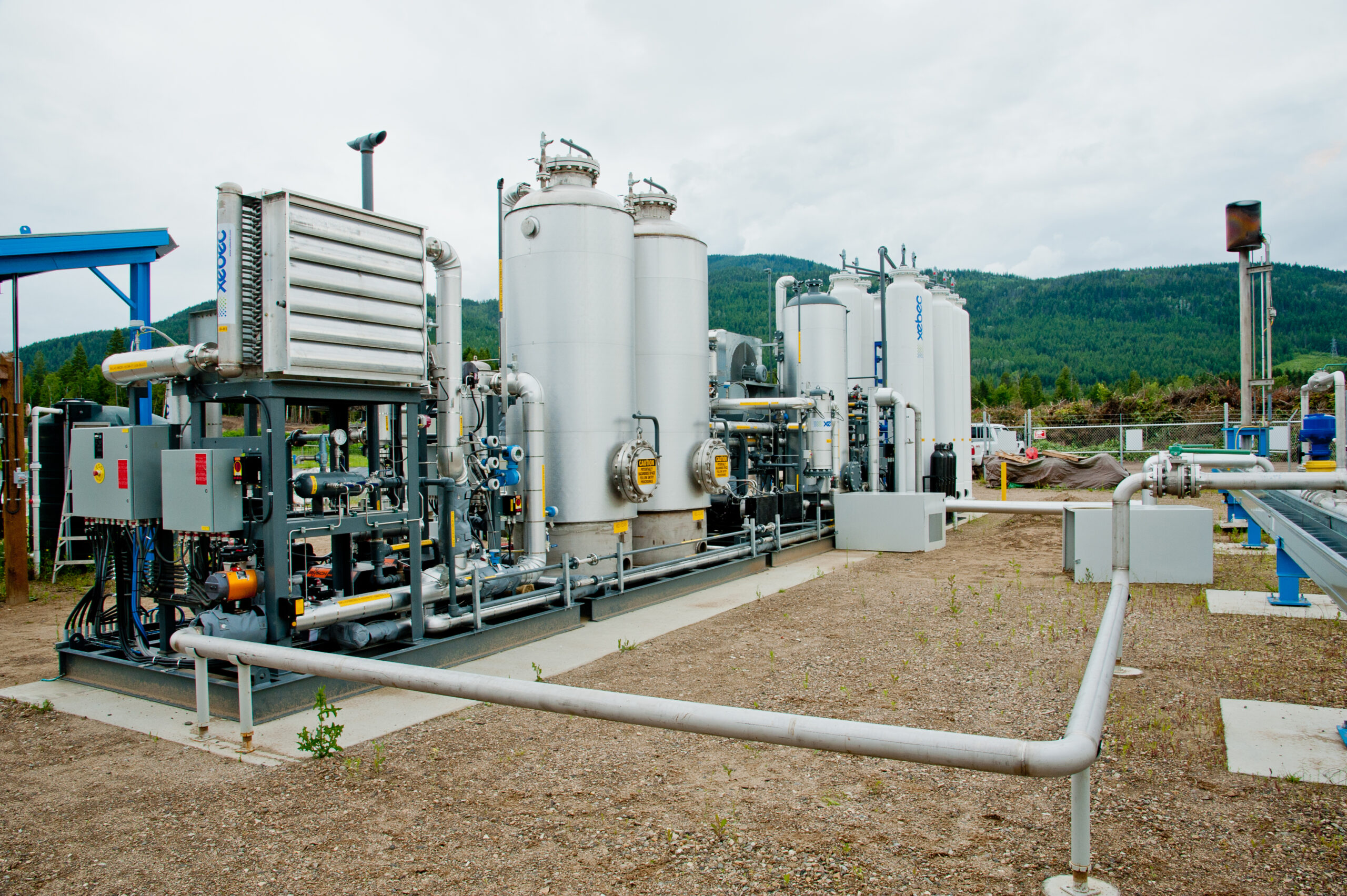
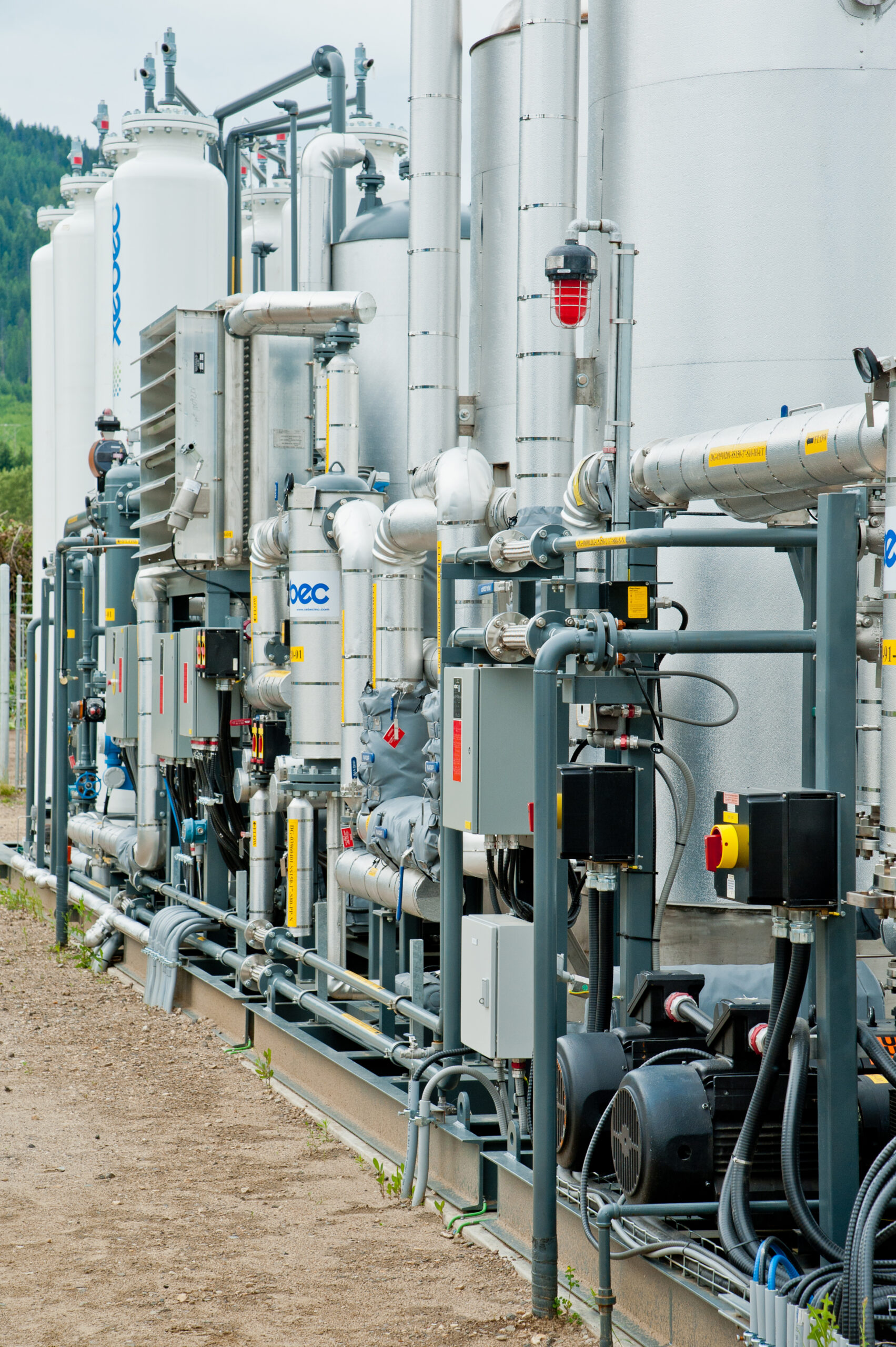
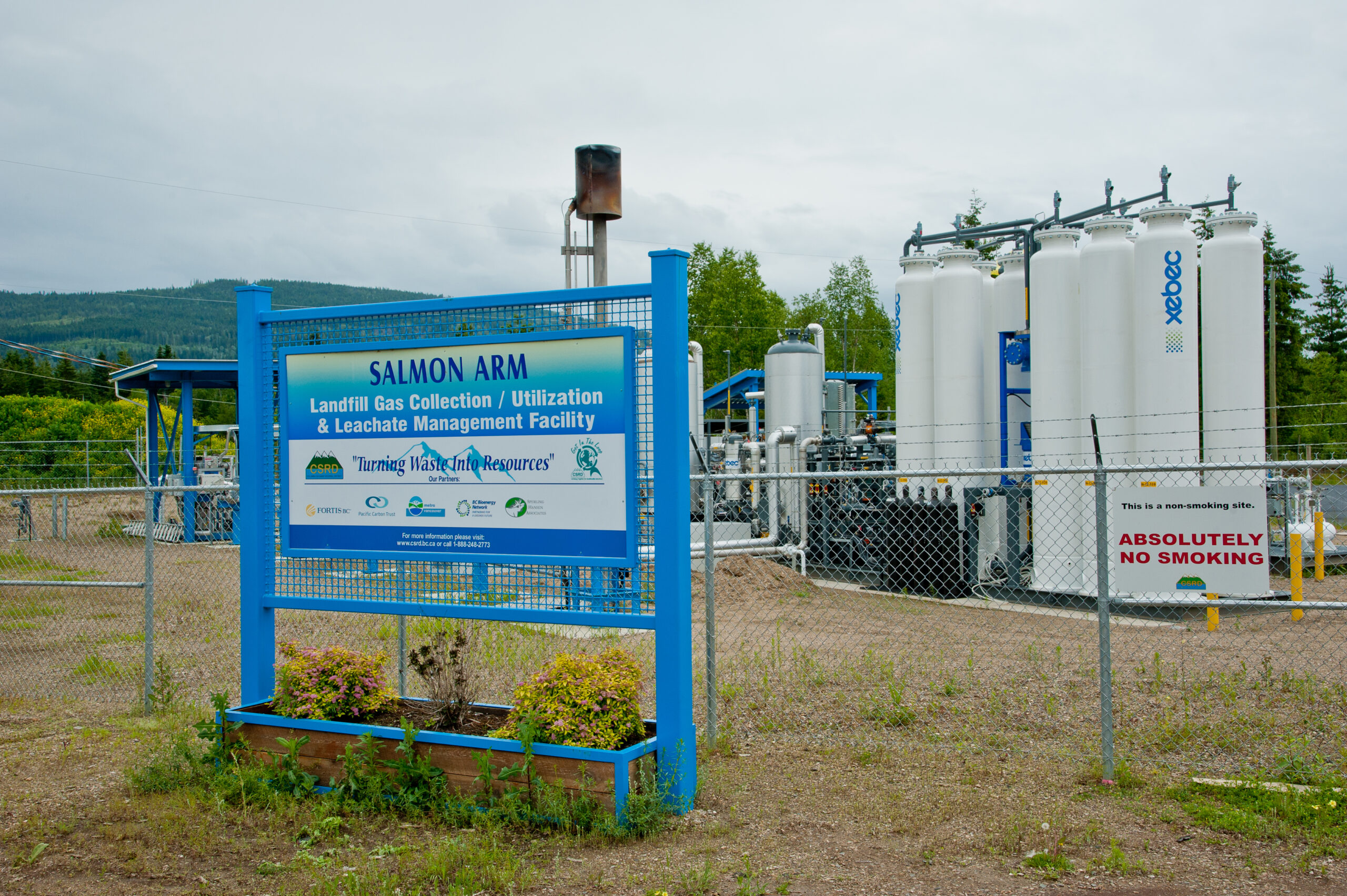
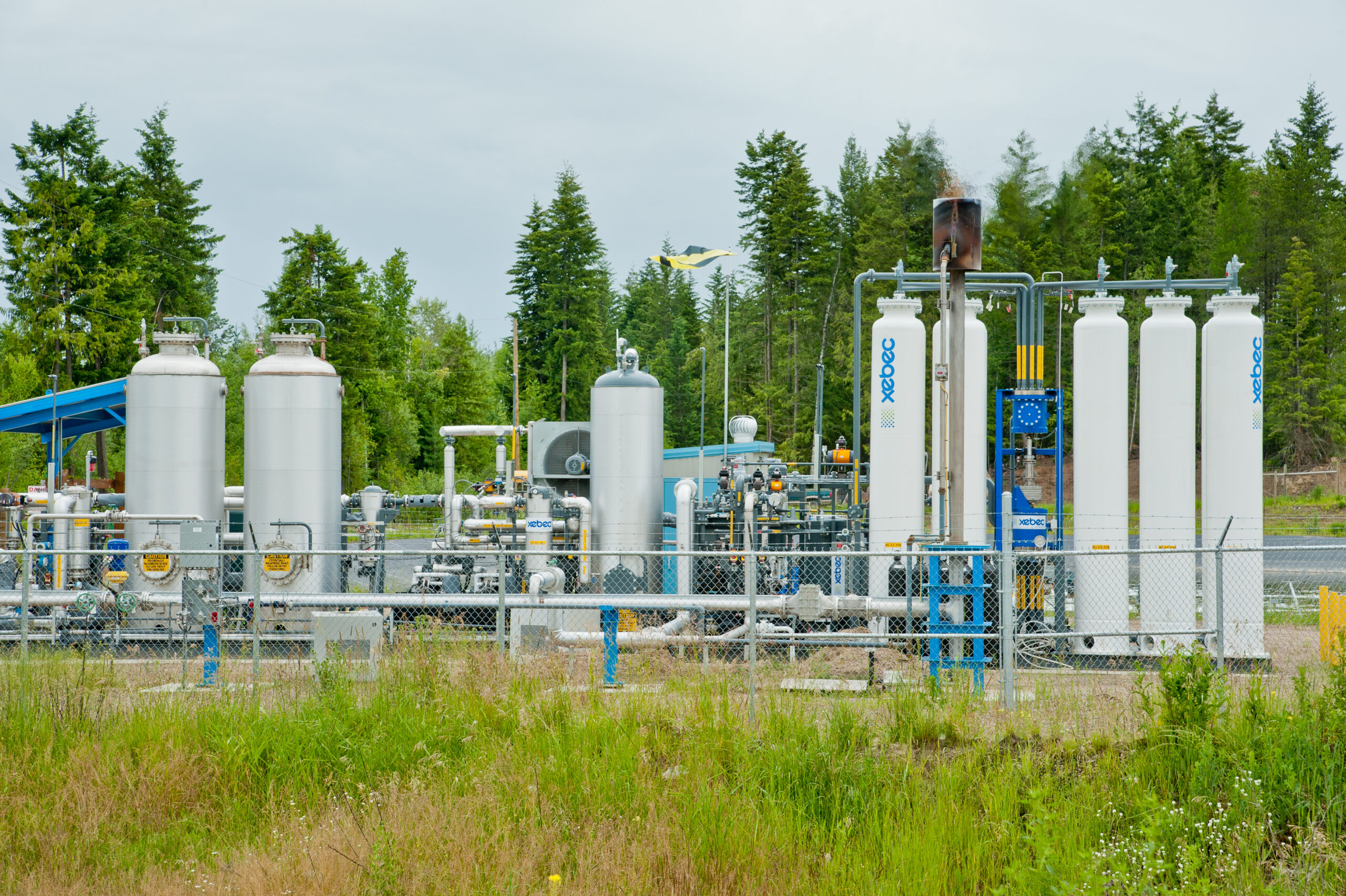
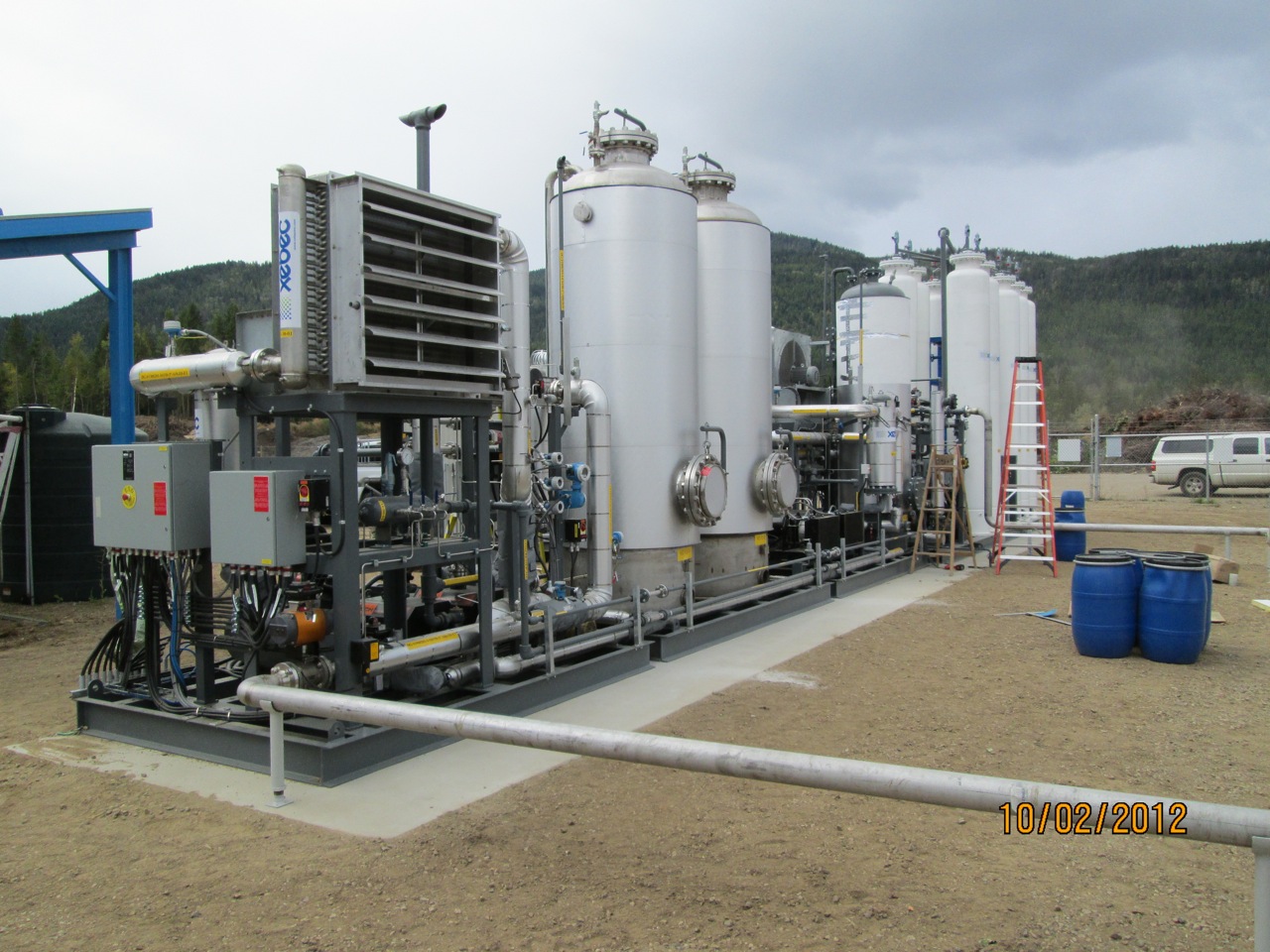
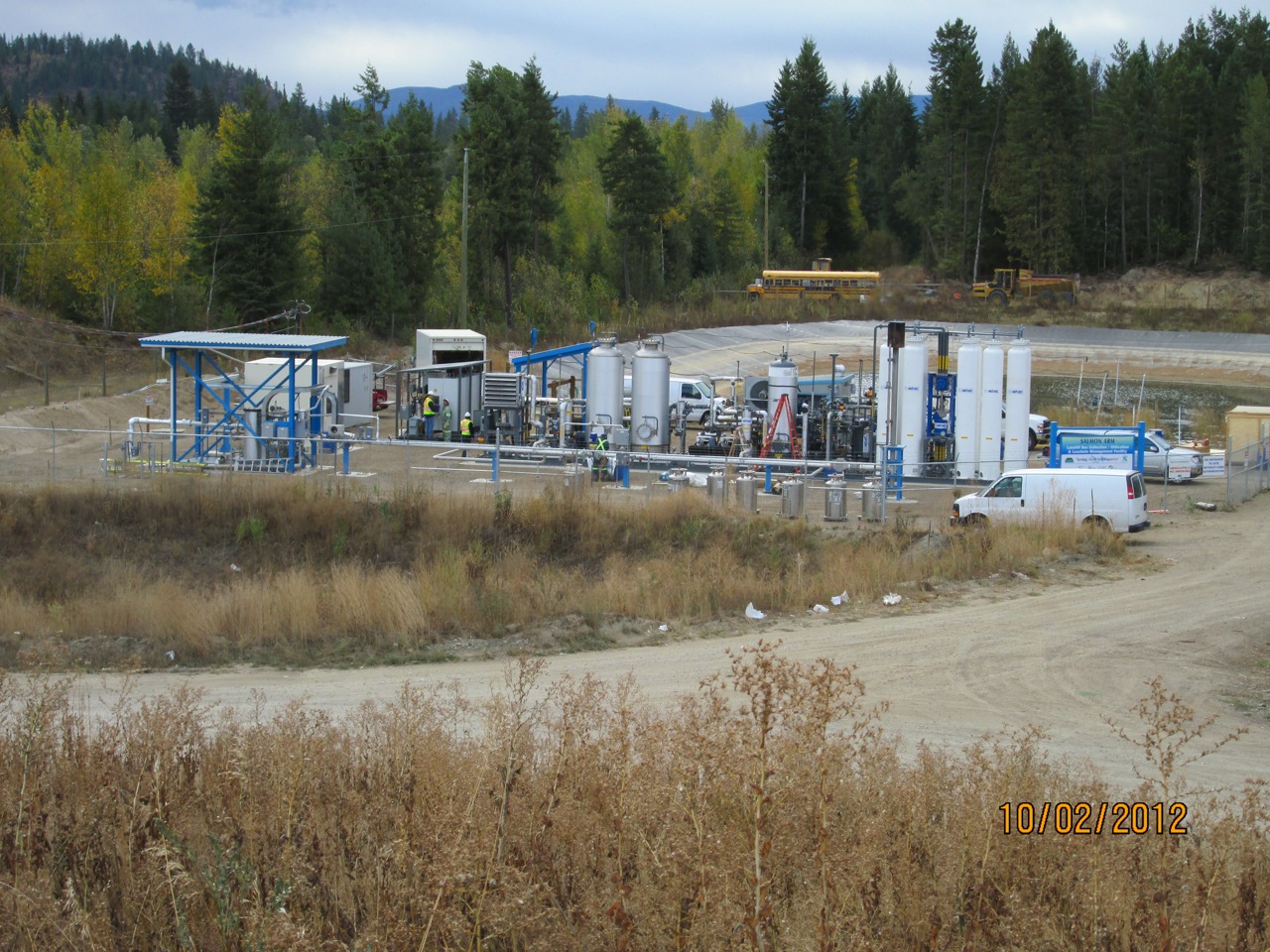
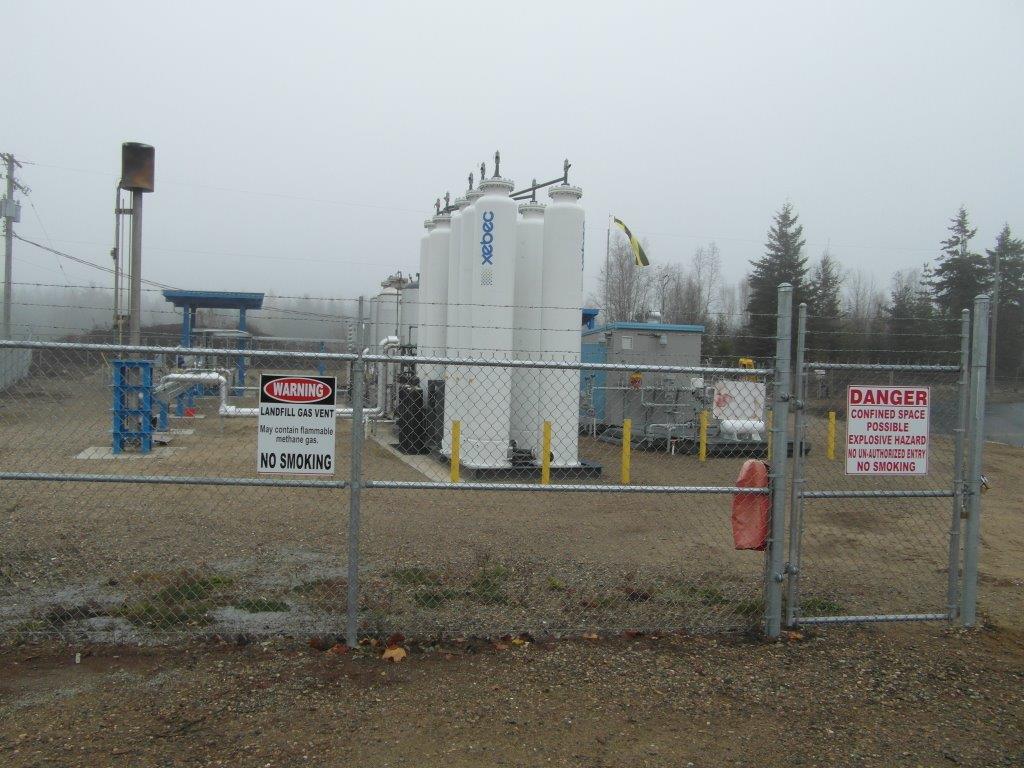
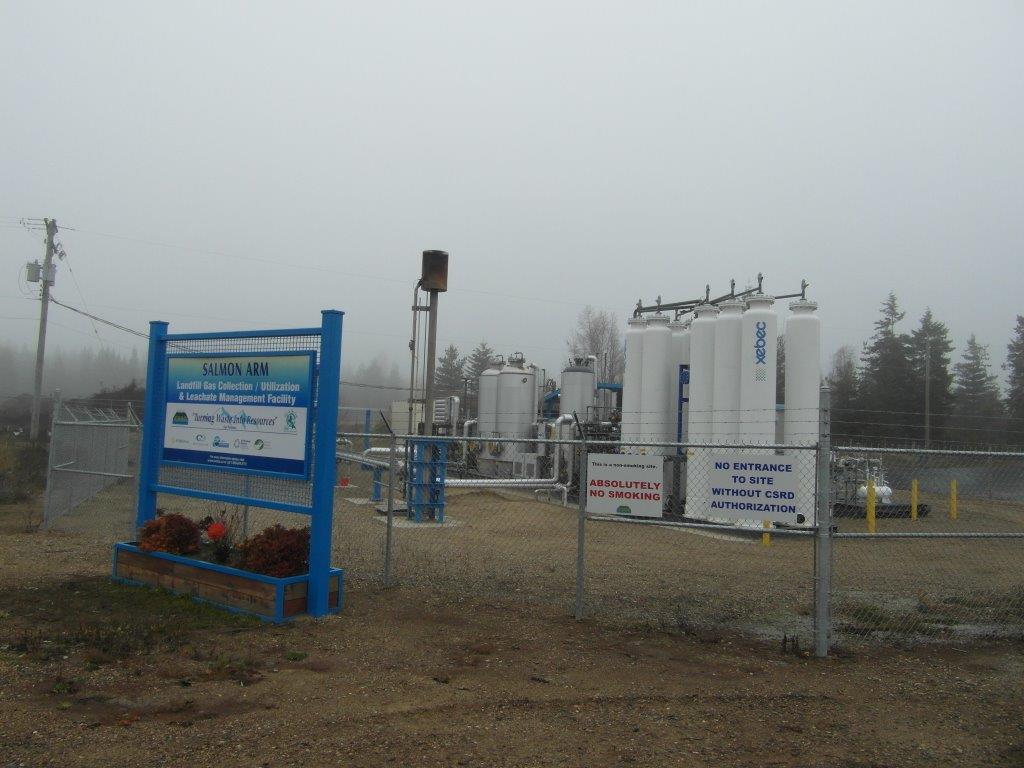
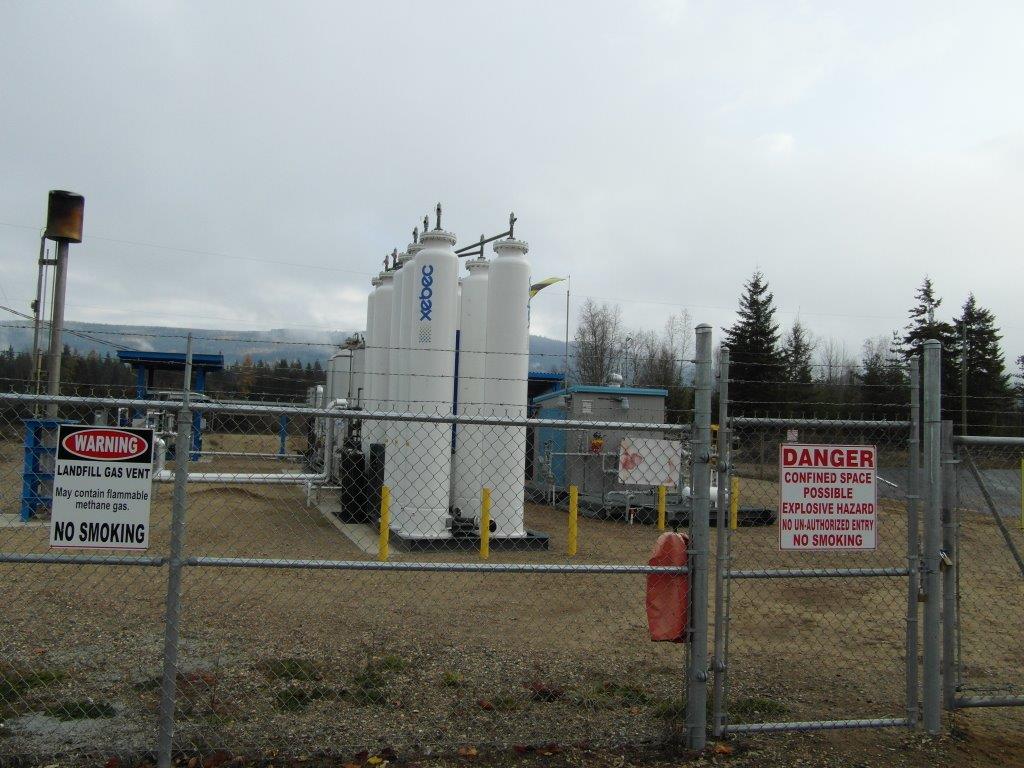
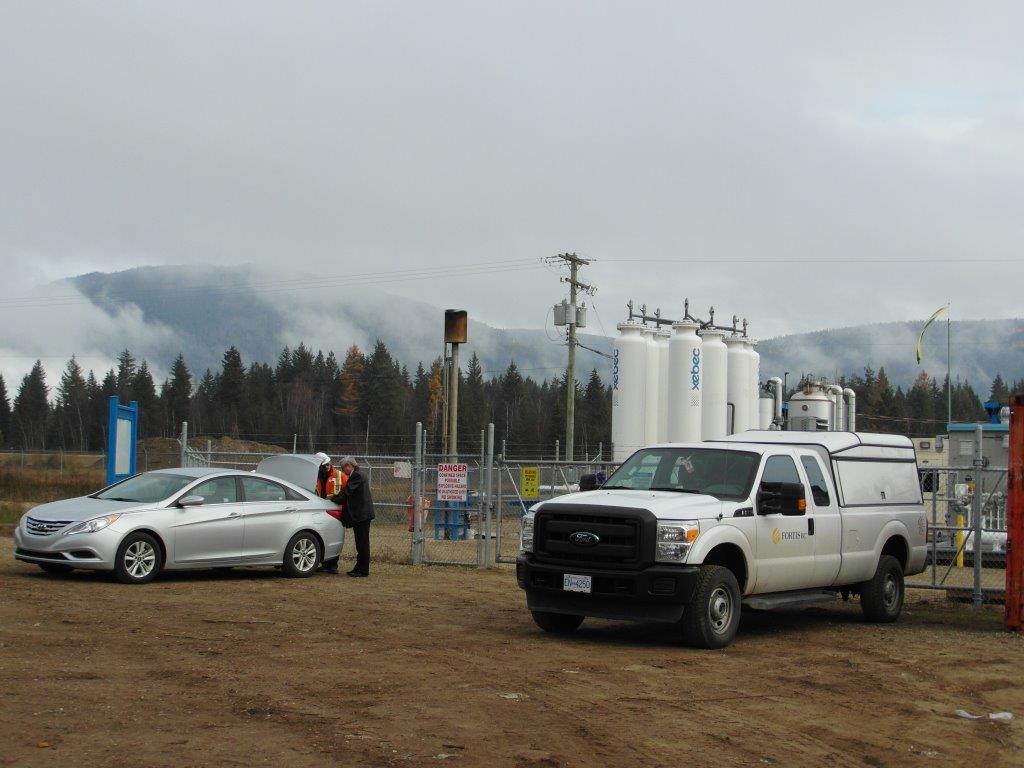
The Columbia Shuswap Regional District and FortisBC are working together to develop a landfill gas collection and upgrade system at the Salmon Arm landfill.  The proposed project will be the first in BC to recover raw biogas from a landfill and upgrade it so it can be injected into natural gas distribution infrastructure or potentially used as a non-fossil natural gas transportation fuel.  This demonstration project will showcase a viable alternative to producing electricity from landfill gas and is a key building block in FortisBC’s move to develop a green gas offering.

The Salmon Arm landfill operation began producing Renewable Natural Gas for FortisBC customers on November 19, 2012.

Columbia Shuswap Regional District Website

FortisBC Website

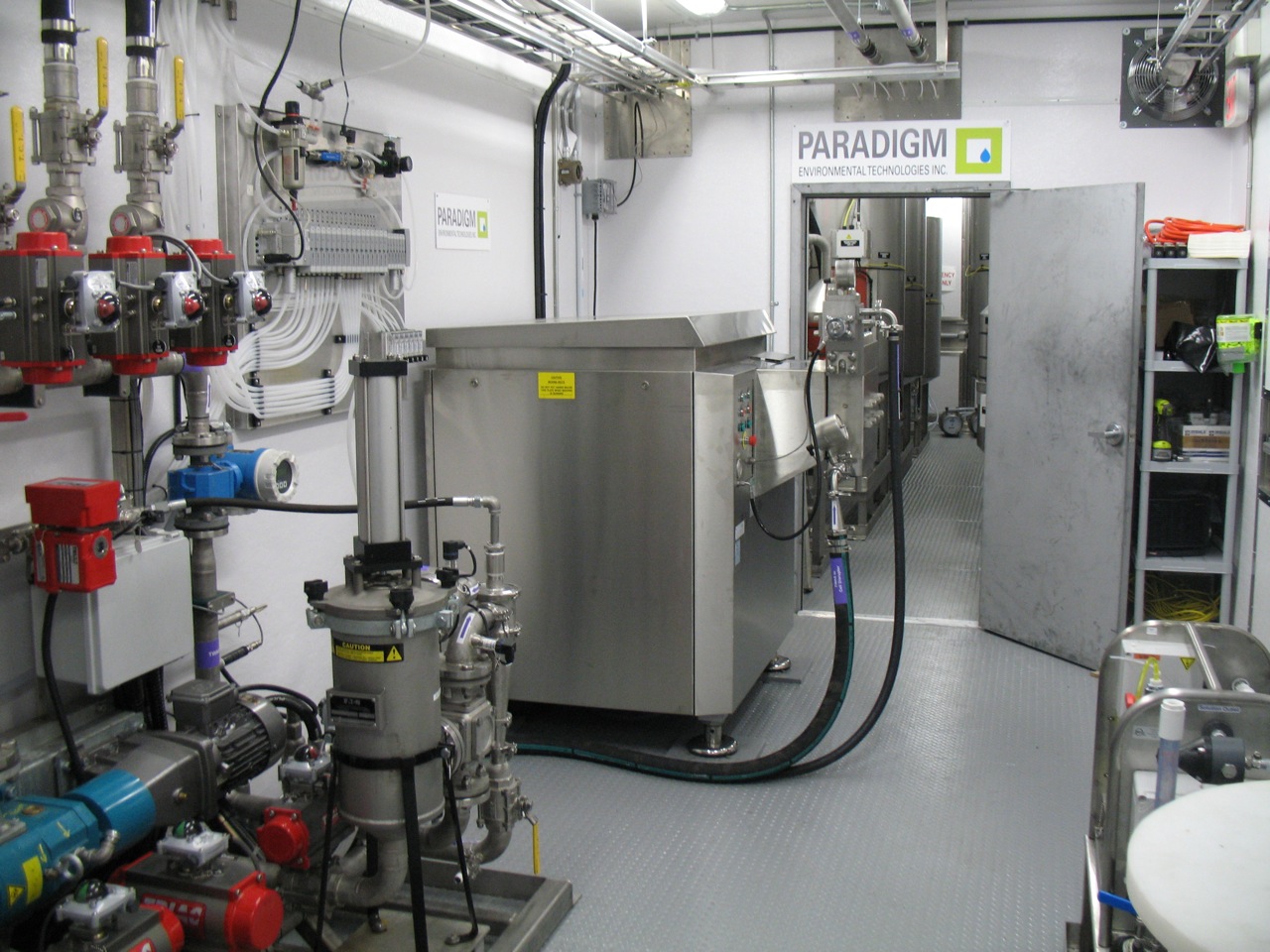
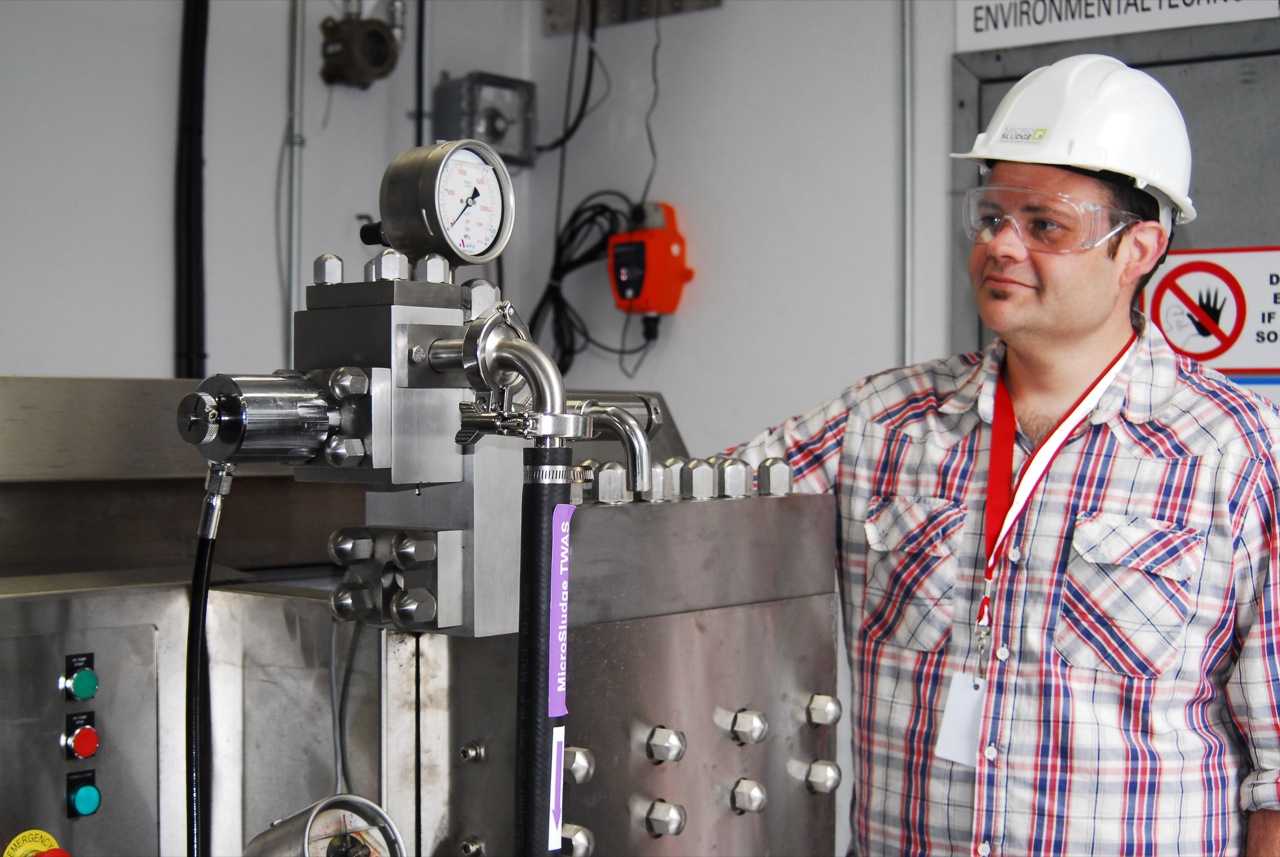
Catalyst Paper Biogas Production – Waste-Activated Sludge Using Paradigm Microsludge Technology

Total Cost: $6,100,000
BCBN Investment: $1,500,000 grant

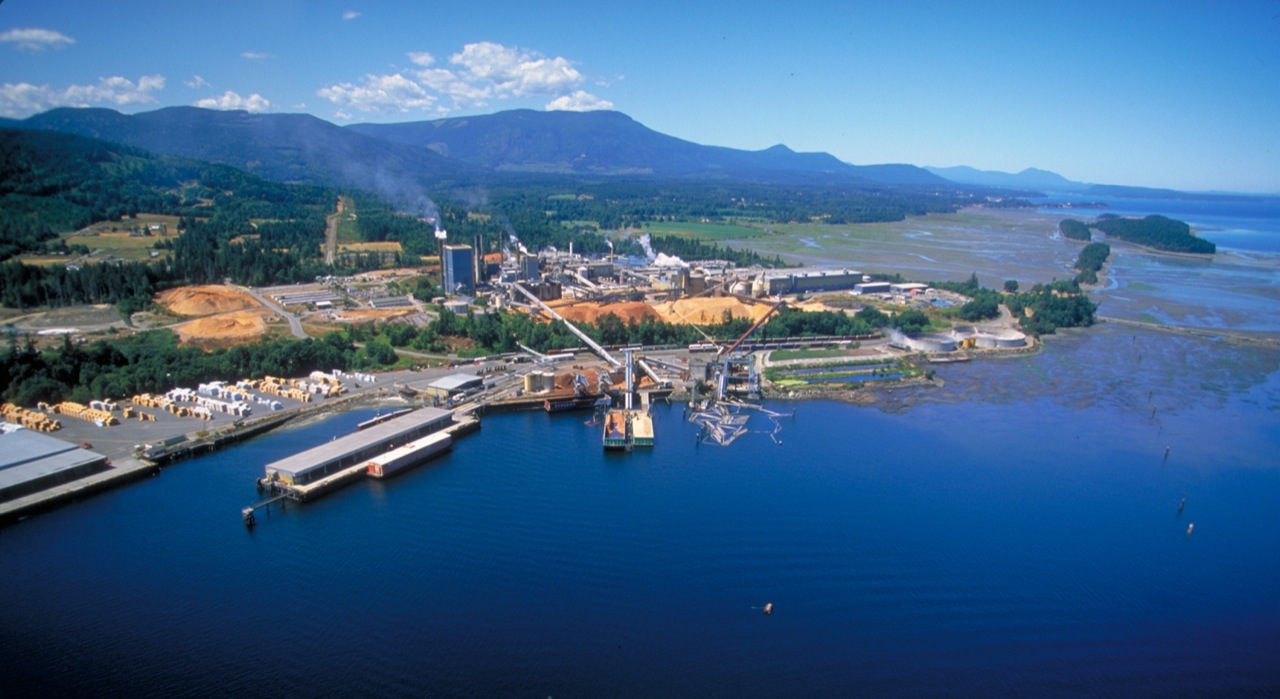
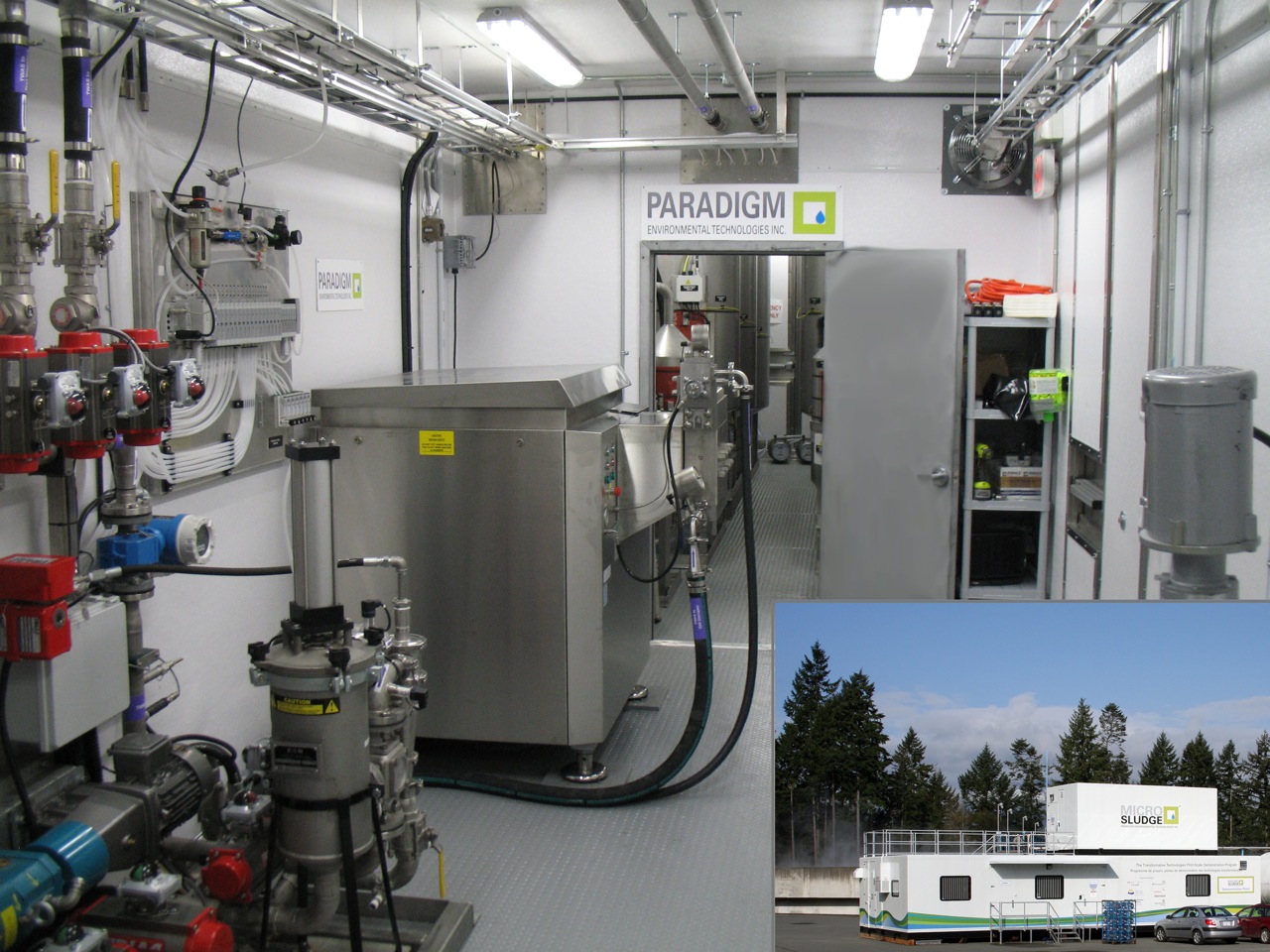
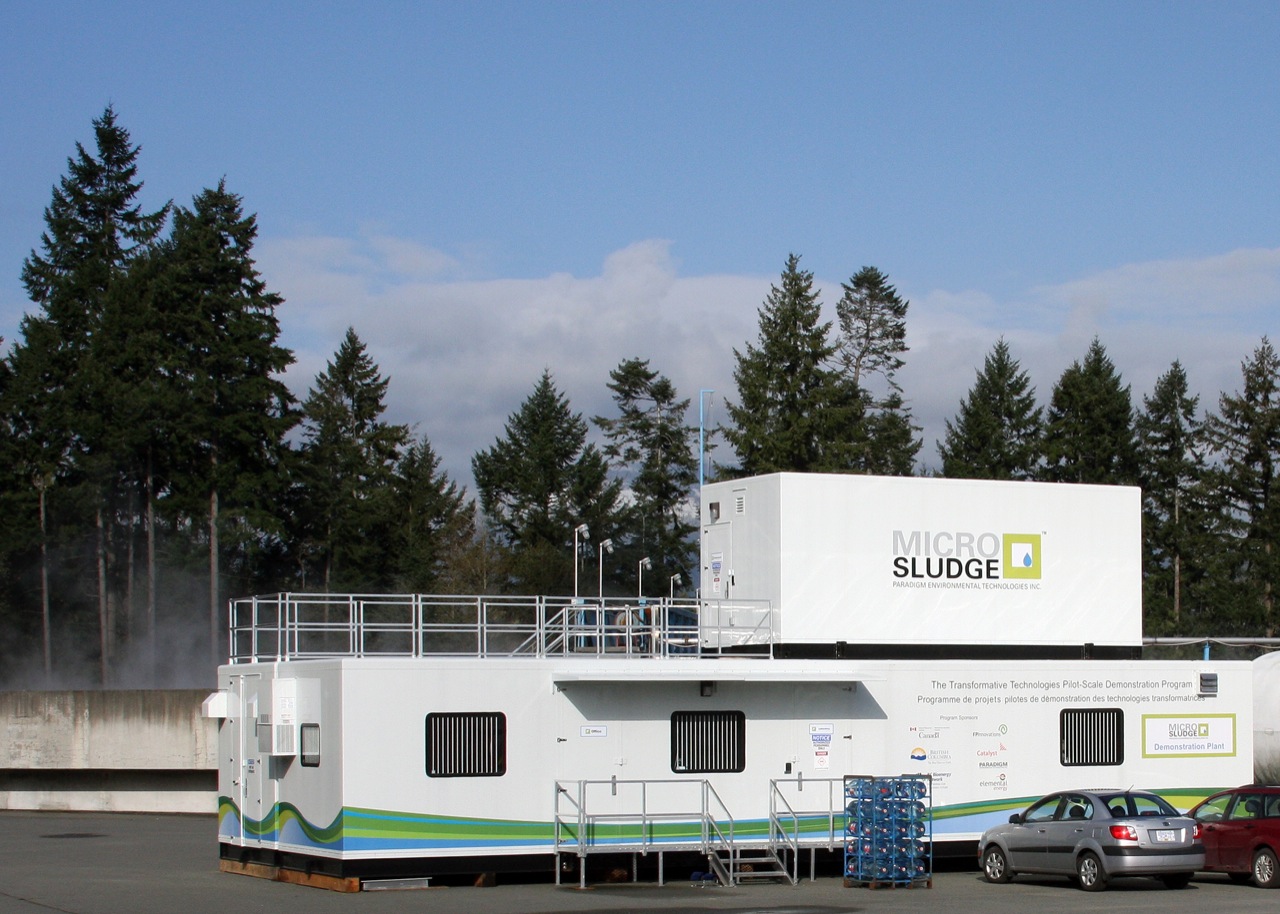
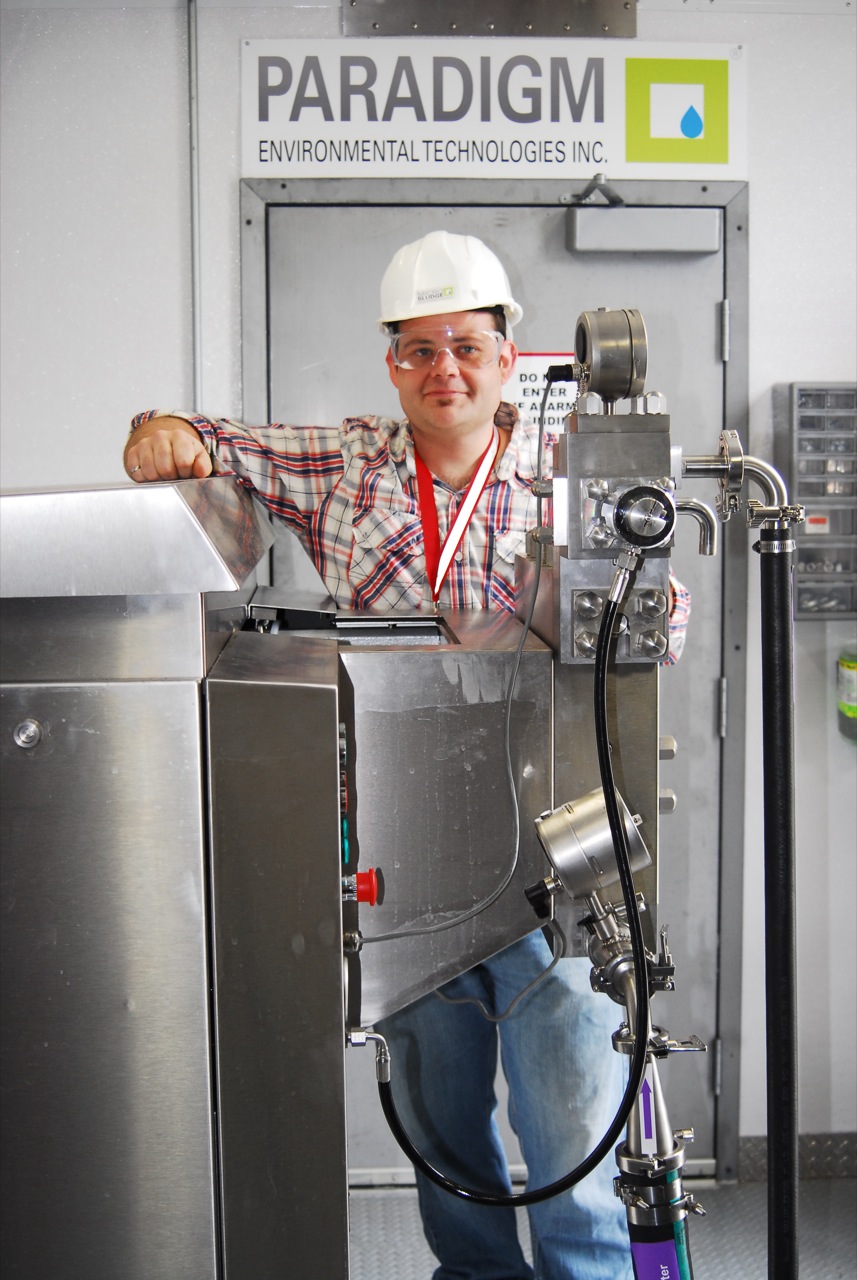
This is a project involving Paradigm Environmental Technologies Inc.’s MicroSludge® technology in conjunction with Elemental Energy, Catalyst Paper and  UBC; applying Paradigm’s technology to waste-activated sludge, an effluent from pulp and paper mills.  The project will produce biogas from pulp and paper mill wastewater sludge, reduce sludge production, reduce nutrients required for effluent treatment, reduce electricity consumption and GHG emissions.  The project is a comprehensive trial of the technology to demonstrate and show cost savings through biogas generation and nutrient recovery.

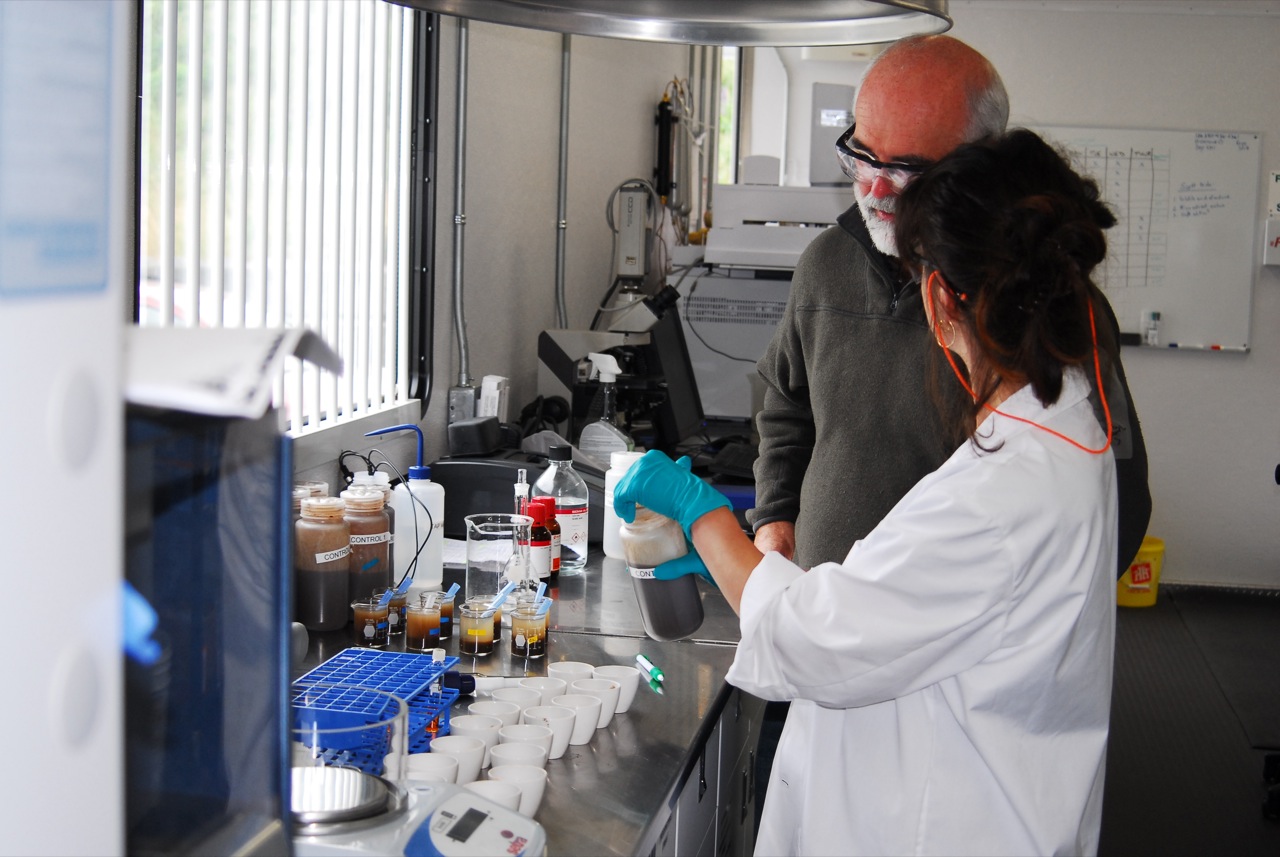
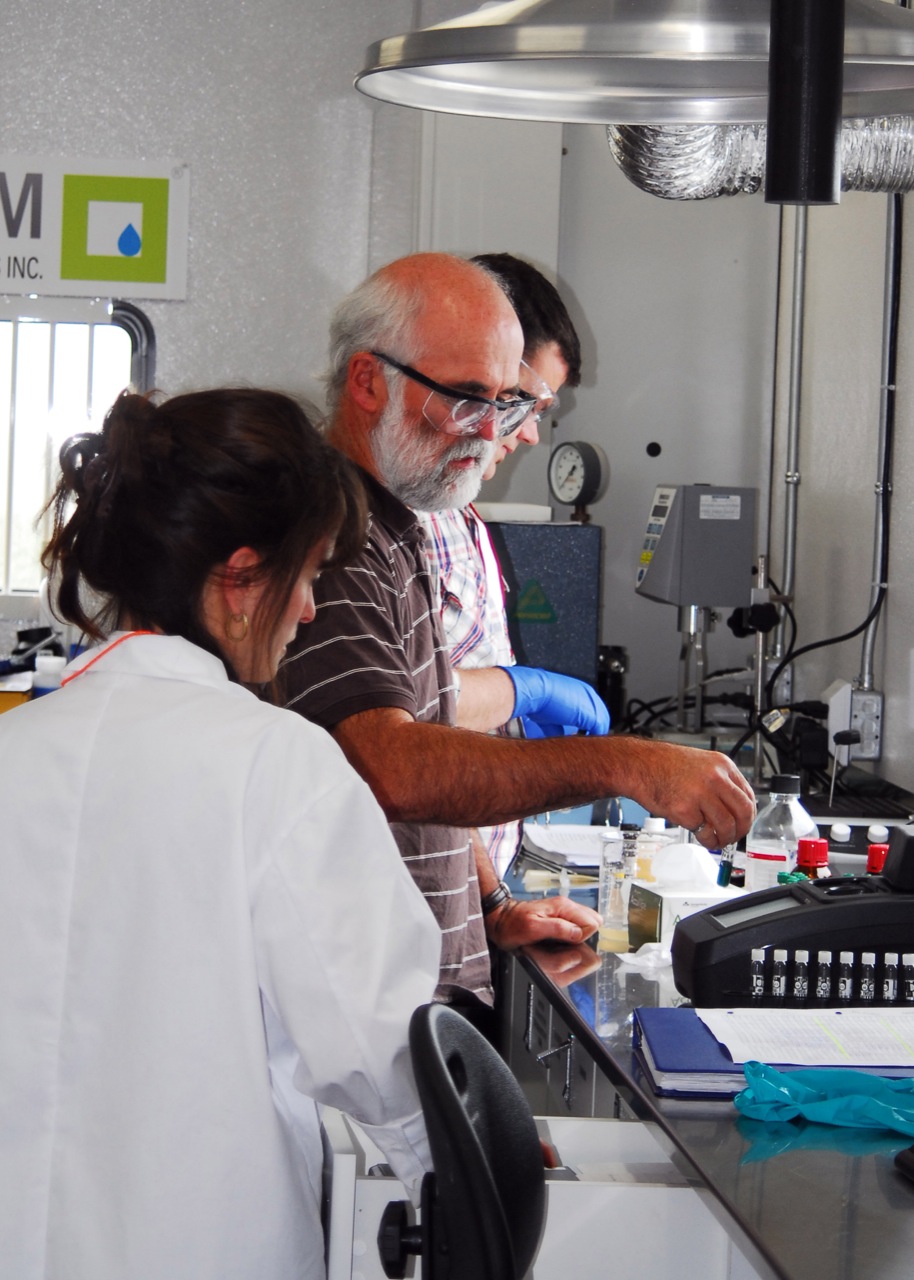
A self-contained system has been installed at Catalyst’s pulp and paper mill in Crofton, Vancouver Island, to demonstrate the technology and to gather performance data. The MicroSludge equipment and demonstration scale anaerobic digesters have been operating for several months in order to produce biogas. Testing to mid 2012 showed that MicroSludge processing results in significantly enhanced digestion and accompanying release of nutrients (nitrogen and phosphorus) into soluble form.

Elemental Energy Website

Paradigm Environmental Technologies Inc. Website

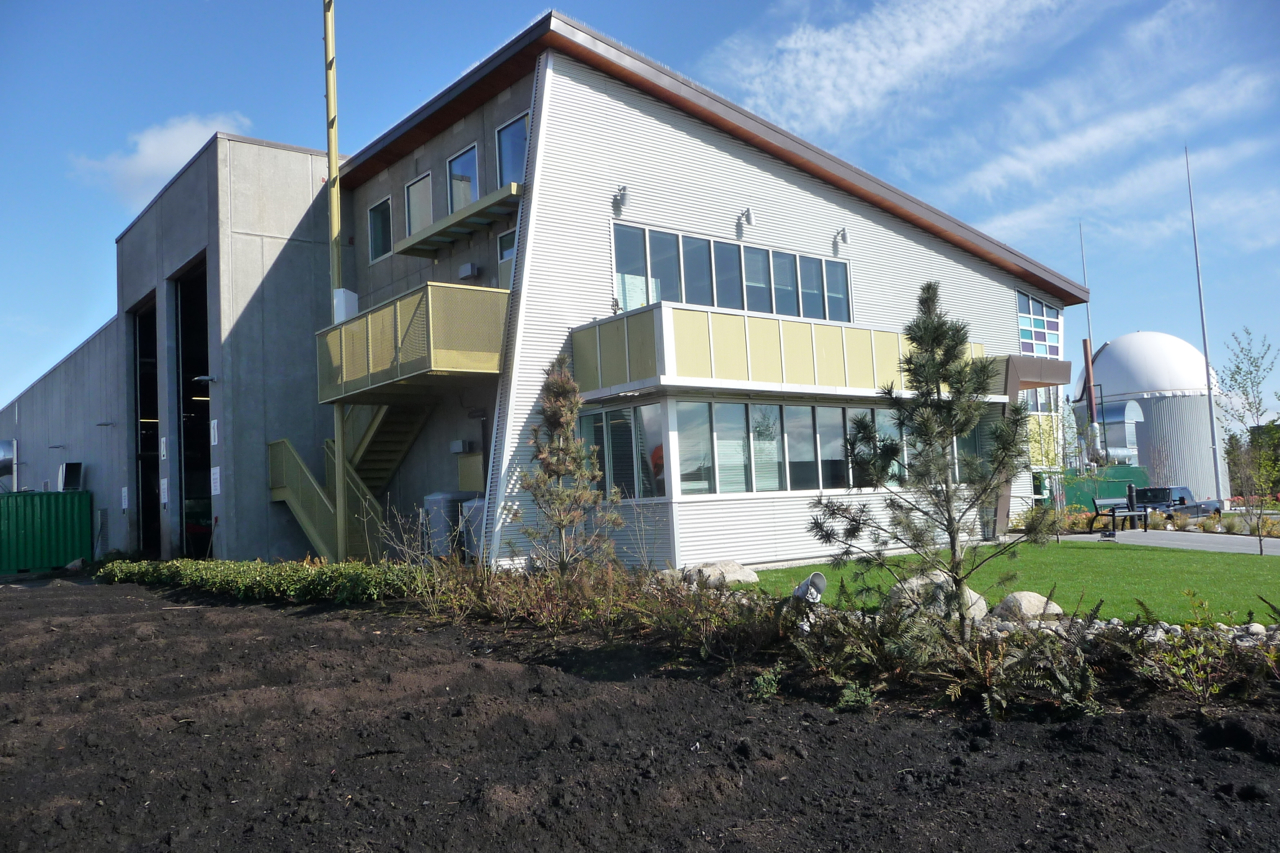
Fraser Richmond Soil and Fibre “Energy Garden”

Total Cost: $12.3 Million
BCBN Investment: $1 Million loan, $500,000 grant

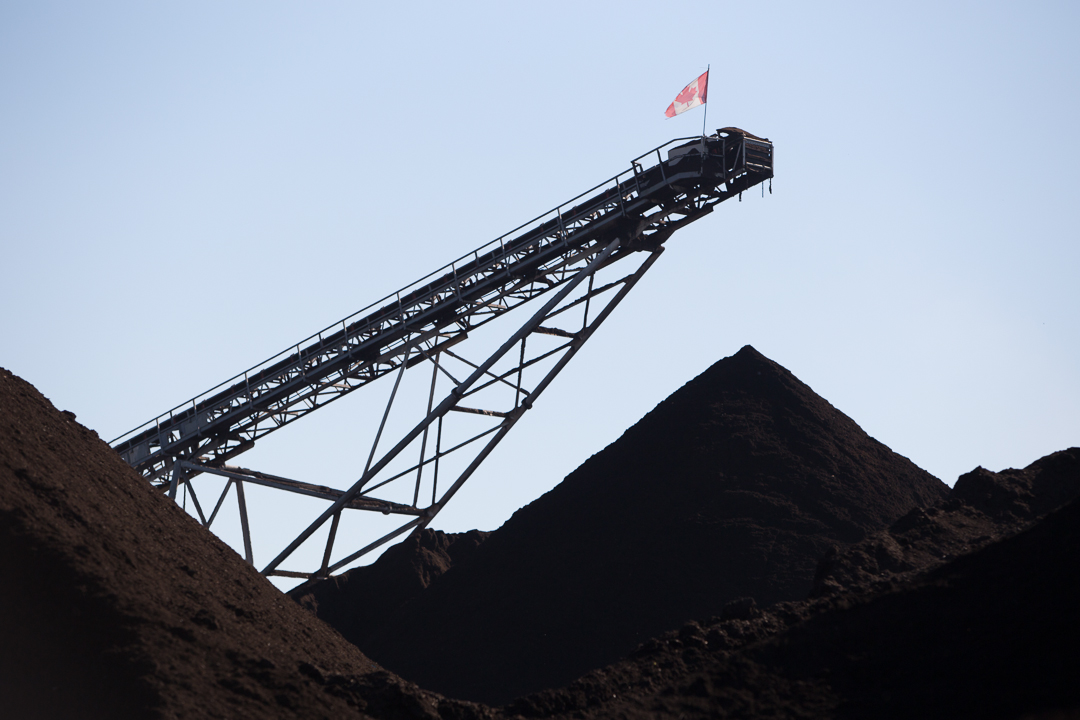
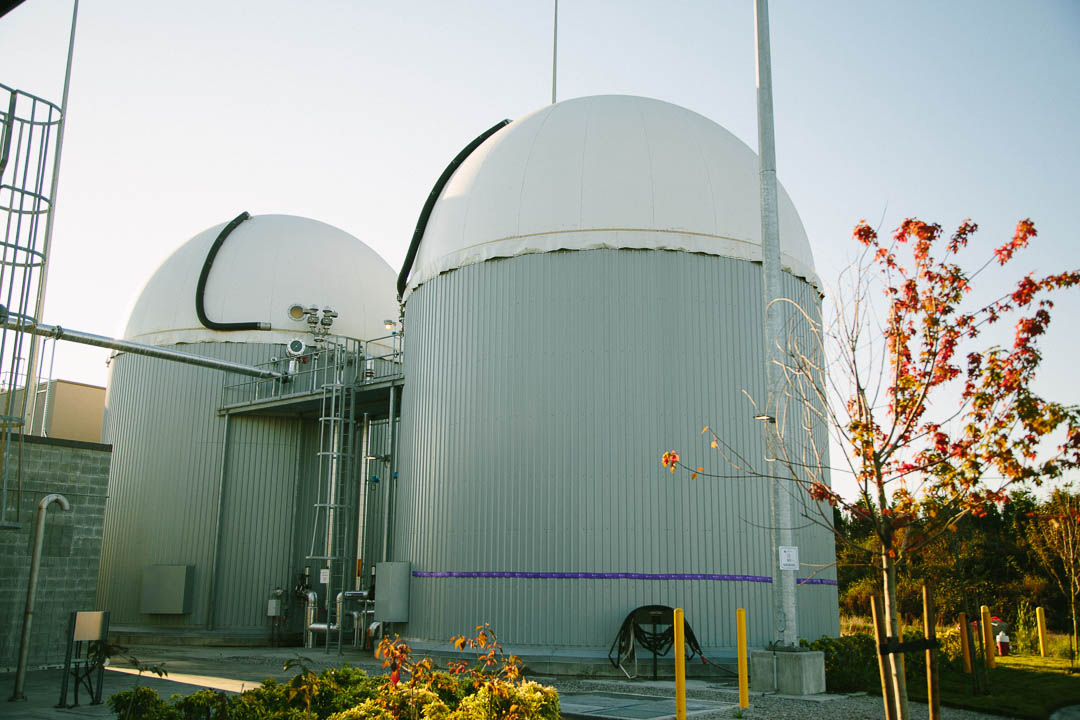
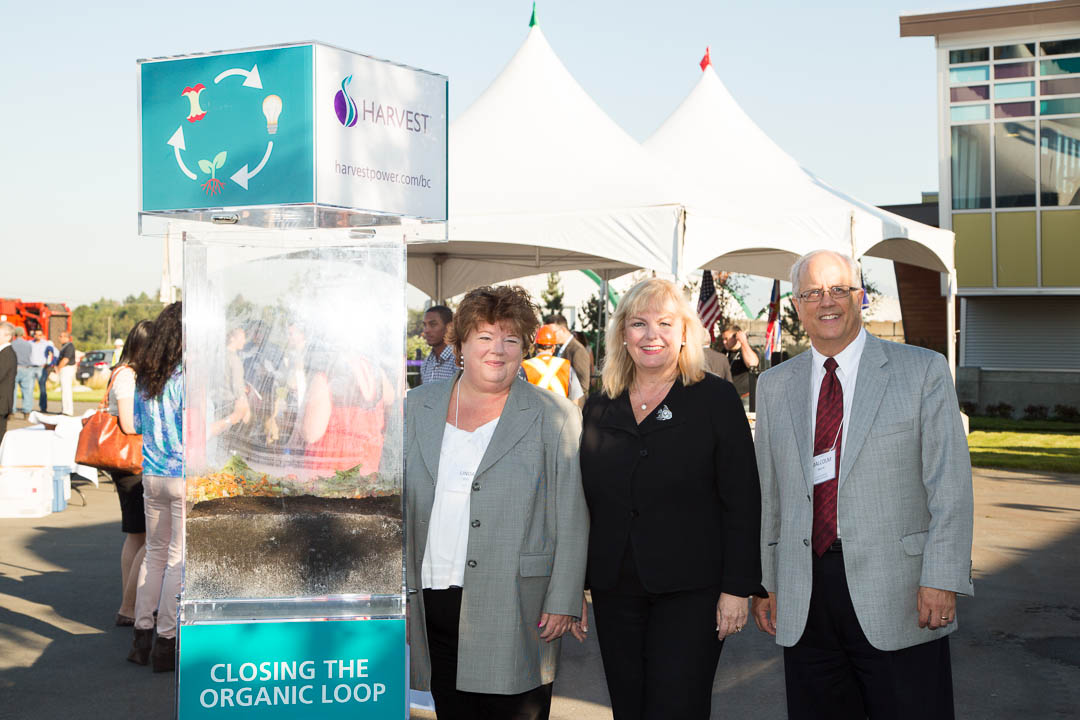
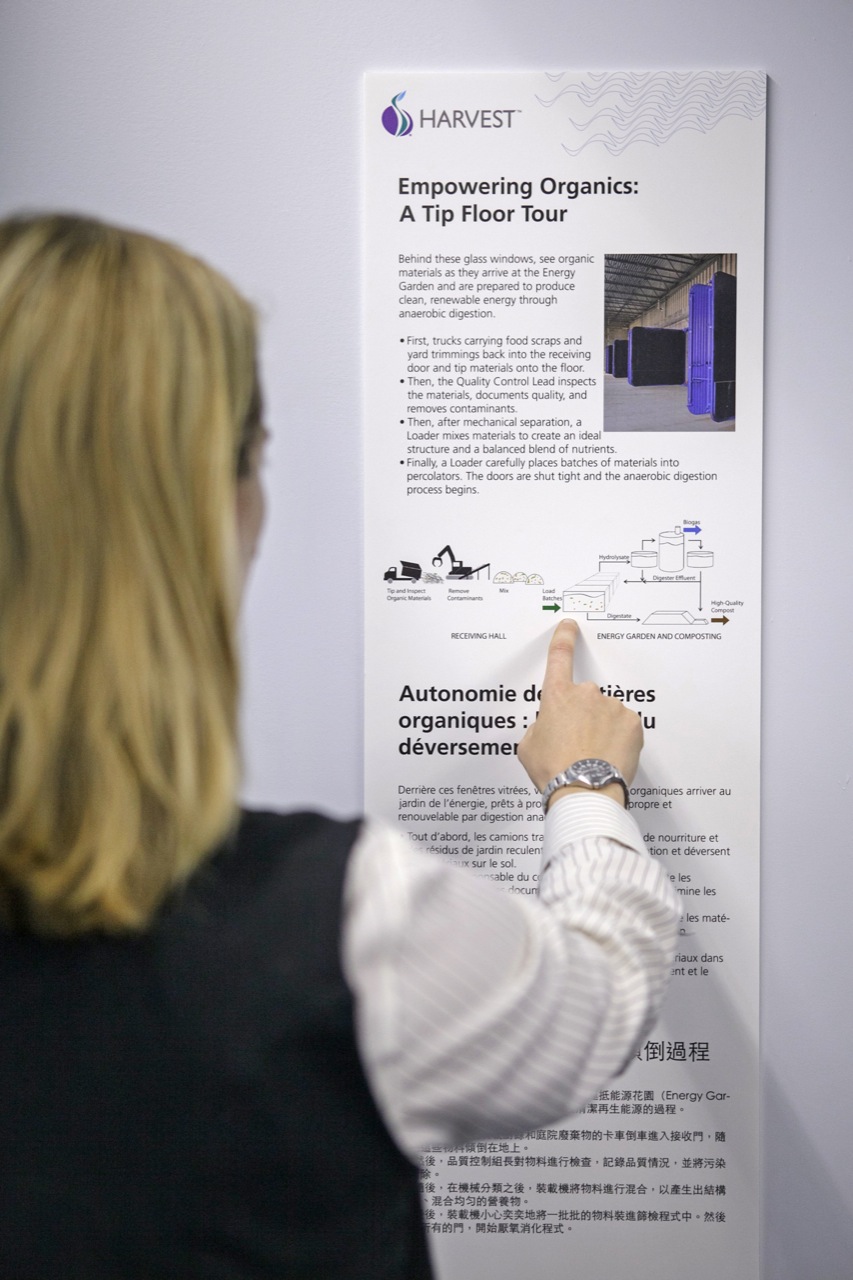
The project will establish an “Energy Garden”, an innovative municipal green (food and yard) waste-to-renewable energy demonstration in the Lower Mainland that will divert 27,000 tonnes of organic materials away from British Columbia landfills.

The funding will support two components: a $1 Million loan towards the commercial demonstration of a High Solids Anaerobic Digestion (HSAD) plant that will convert municipal green waste (food scraps and yard trimmings) to produce electricity under the BC Hydro Community-Based Biomass Power Call, and a $500, 000 grant towards acquiring a pilot scale mobile HSAD testing unit – a “Mobile Energy Harvester” – that will be used initially in Richmond and later toured throughout North America.  The Government of Canada has also invested $4 Million for this project through its Clean Energy Fund.  Over 50 jobs will be created through the construction phase and an additonal 6 for ongoing operations.

Harvest Power website

Cedar Road Bioenergy Inc. Phase 2 Expansion

Total Cost: $4 Million
BCBN Investment: $200,000 equity investment

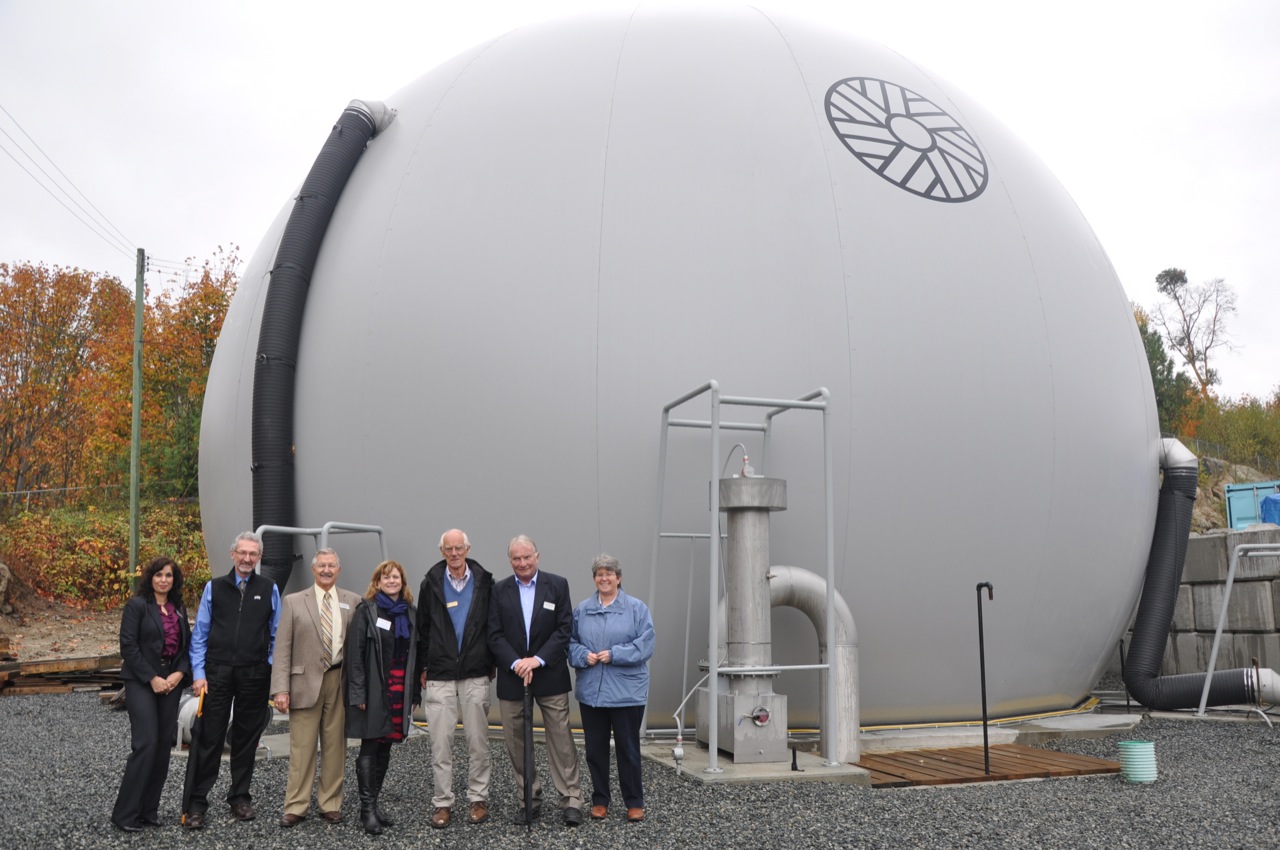
BC Bioenergy Network (“BCBN”), is making  a $200,000 equity investment in Nanaimo-based Cedar Road Bioenergy Inc (“Cedar Road”) to support the Phase 2 expansion of the Nanaimo Bioenergy Centre.

This investment will support the installation of a gas storage system which will improve the revenues and income for the $4 million facility, paying the way for incremental expansion to improve the integrated bioenergy benefits and energy utilization at the centre. Over 111 jobs will be created throughout the three year Phase 2 construction phase and another 8 full time ongoing operation positions.

Cedar Road LFG Website

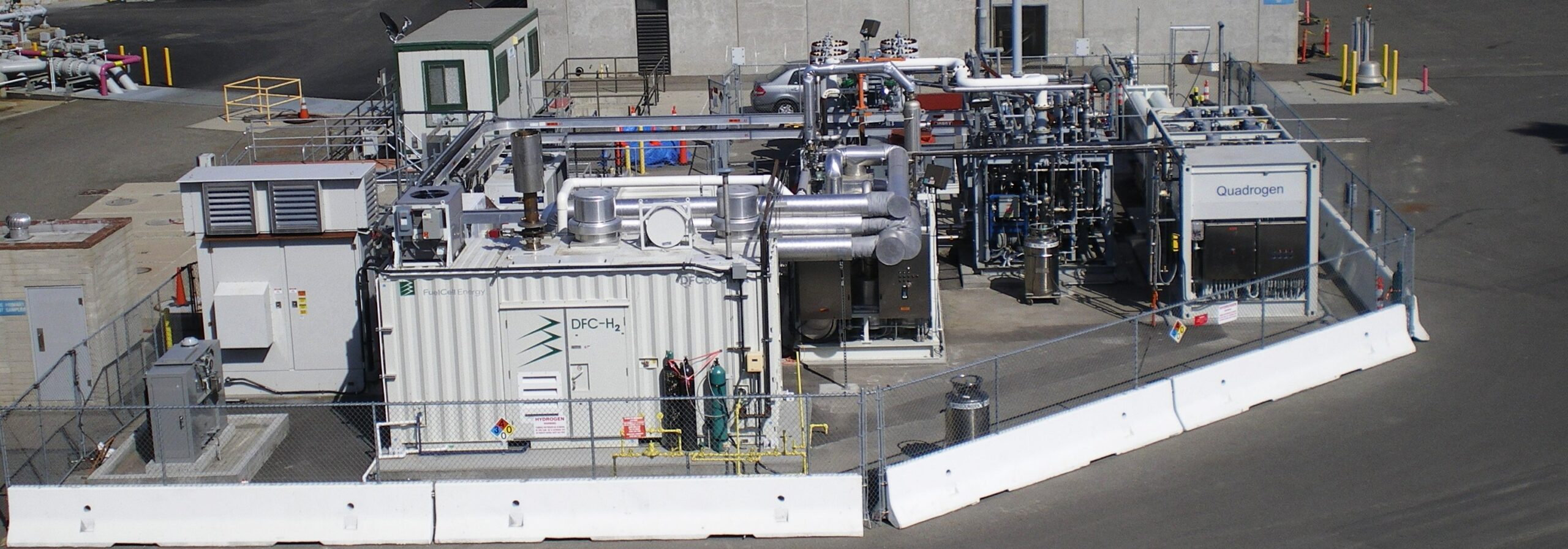
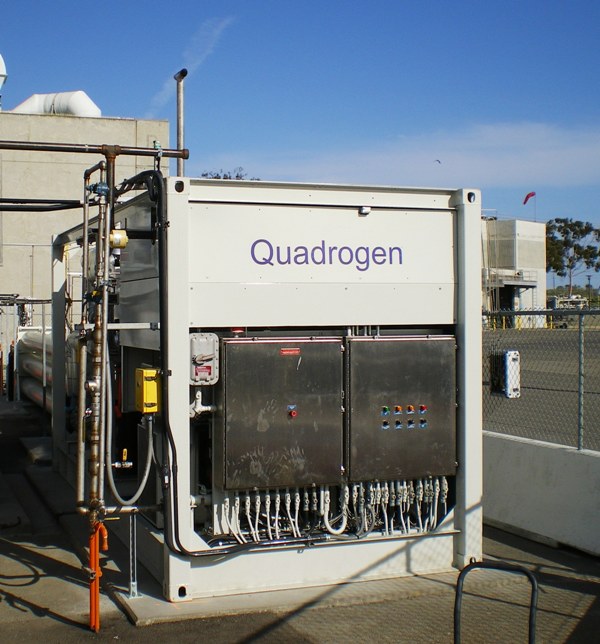
Quadrogen Power Systems Inc. Ultra-Clean Sustainable Energy From Landfill Waste

Total Cost: $7,500,000
BCBN Investment: $1,500,000 loan

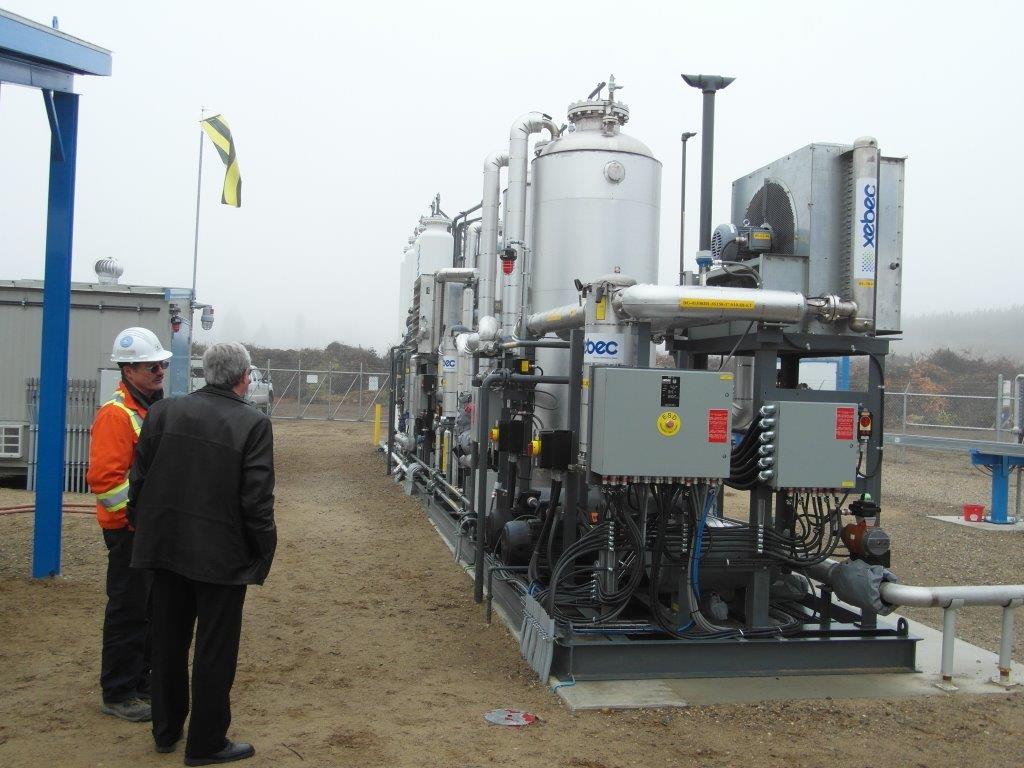
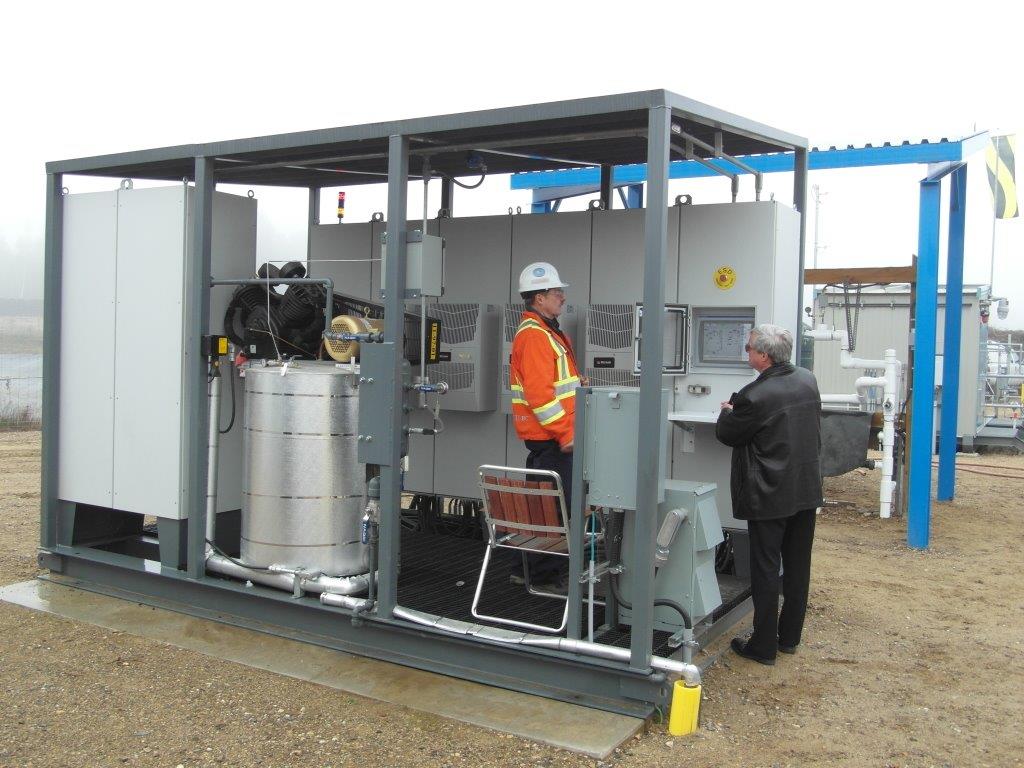
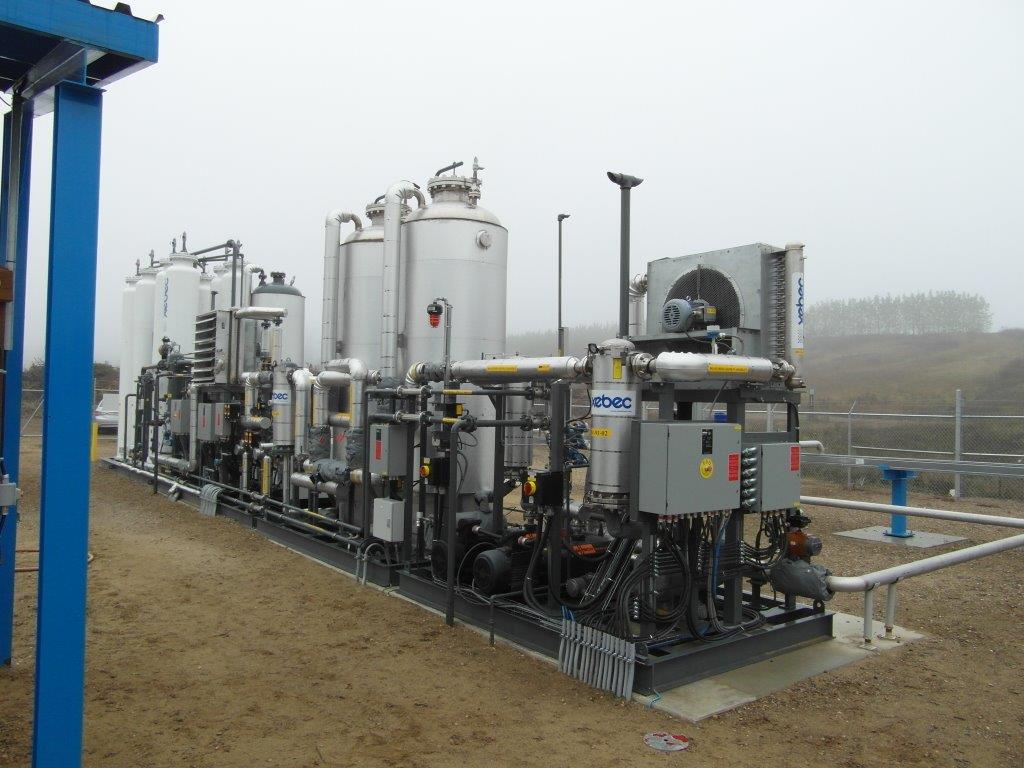
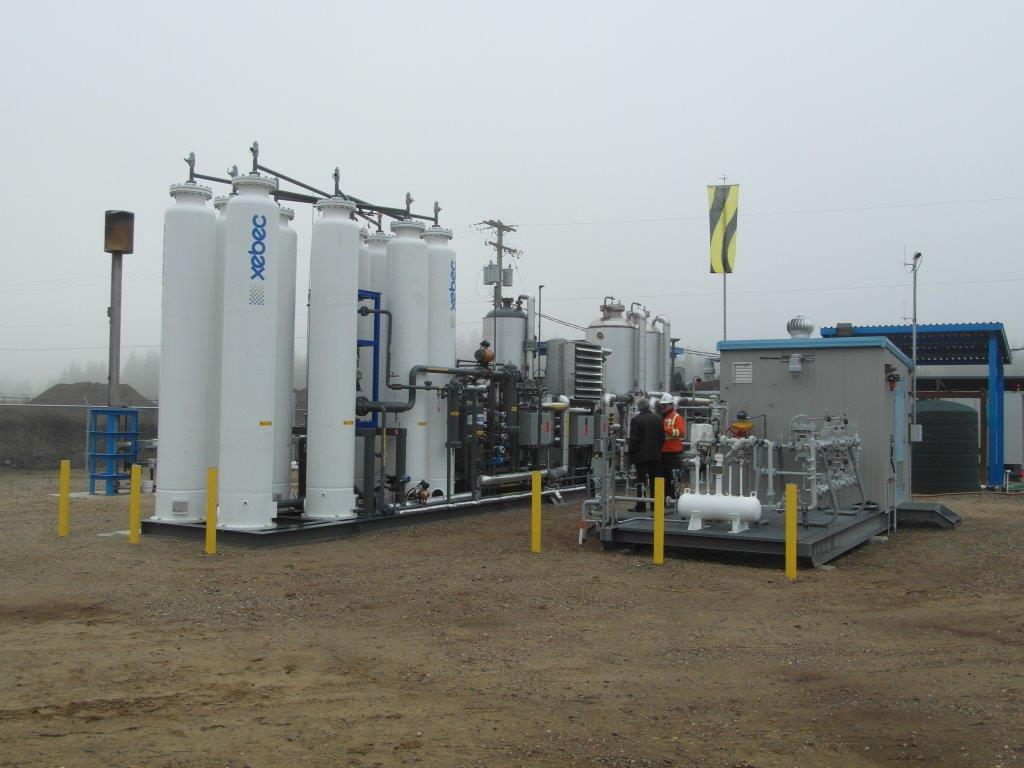
The funding supports two phases of the project. Phase 1 is designed to prove out Quadrogen’s ultra-clean gas clean-up technology. Phase 2 expands the system to process higher gas quantities to demonstrate commercial viability.

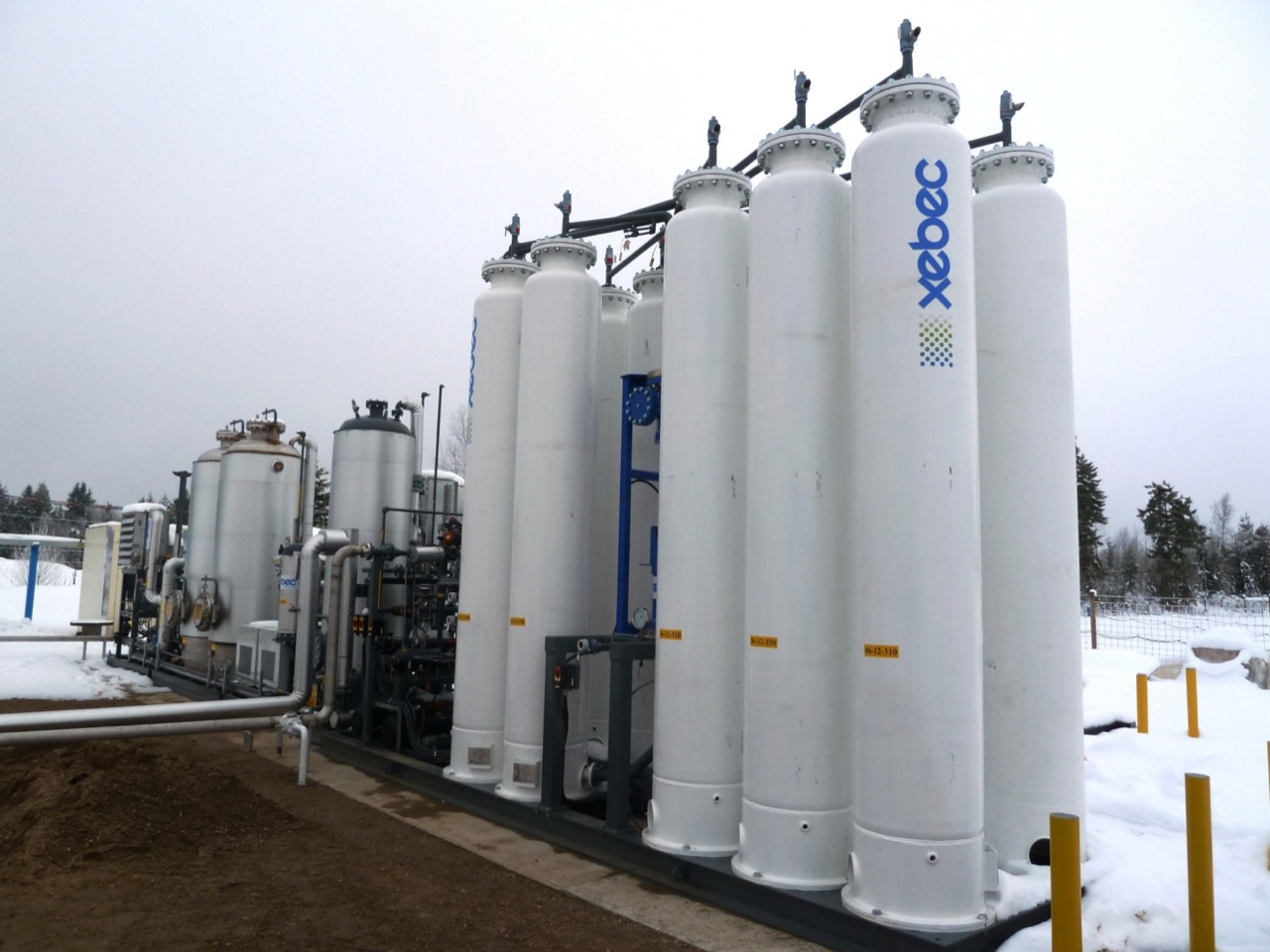
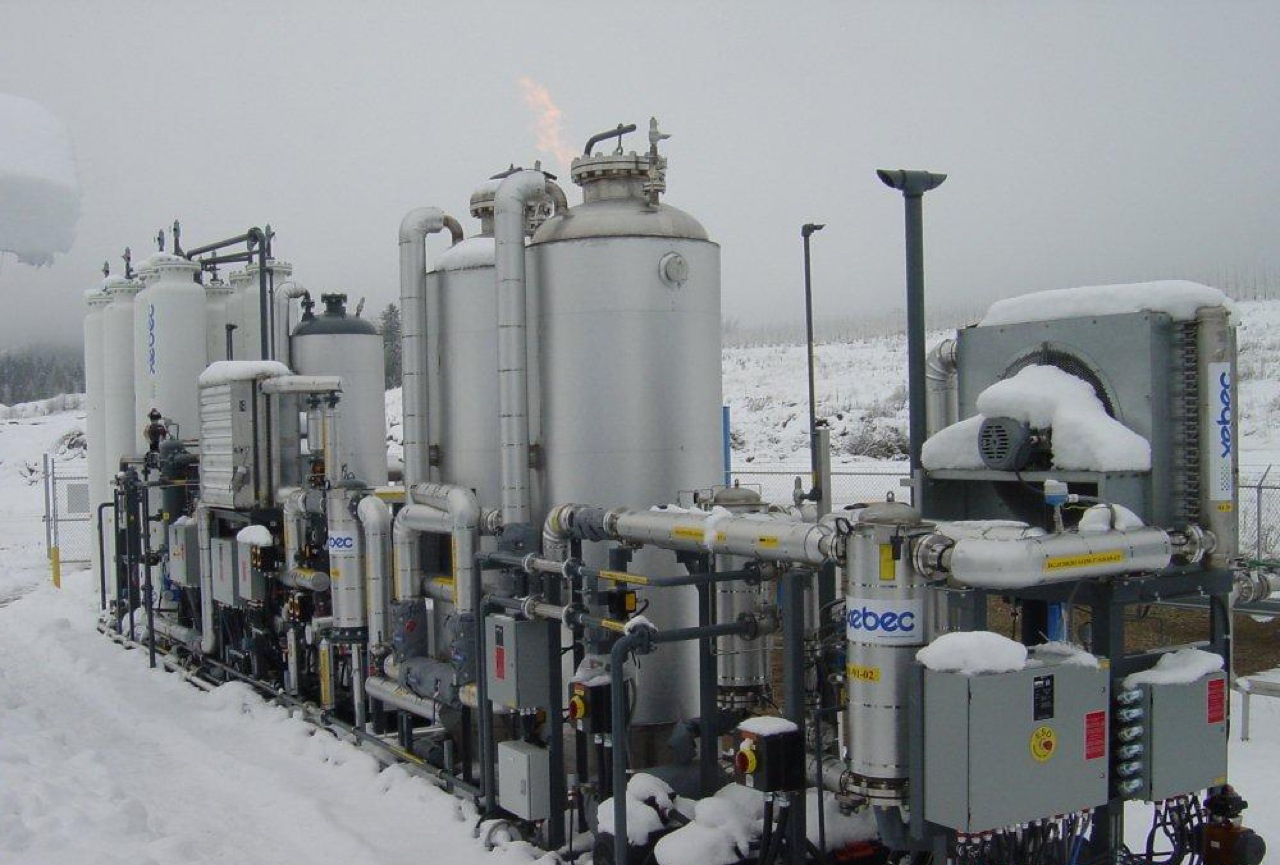
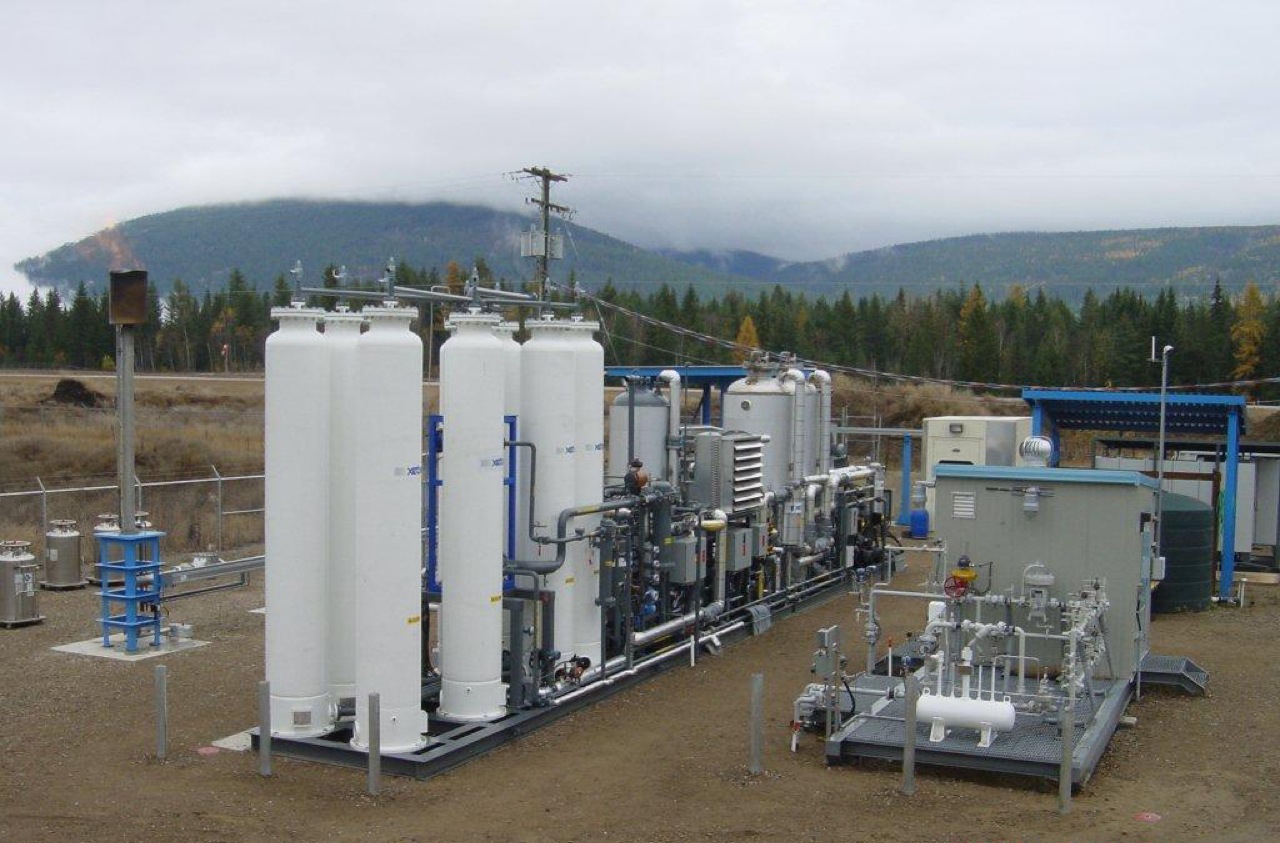
The further removal of fuel contaminants, such as siloxanes from landfill biogas, will provide substantial environmental benefits and offer a variety of potential applications, including subsequent injection into the natural gas pipeline, higher food grade utilization of carbon dioxide, or upgrading to transportation fuel to replace diesel. These higher value applications will substantially improve the viability and economics of landfill gas utilization.

This biogas clean-up project is part of a larger $7.5 million technology demonstration project that will demonstrate the conversion of landfill gas to ultra-clean electricity, heat, renewable hydrogen, and carbon dioxide for use in greenhouses.

Quadrogen Power Systems Inc. Website

Capacity-Building Initiatives – Smaller Investments

Northern Bioenergy Partnership 1

Total Cost: $52,500
BCBN Investment: $52,500 grant

Northern British Columbia is at the centre of BC’s forest biomass-based bioenergy industry.  The region is home to many businesses and institutions engaged in research, development, manufacturing and engineering that is fuelling a growing demand for renewable energy in BC and internationally.  Prince George is the largest centre in Northern BC and represents a cross-section of the bioenergy industry in BC.

Initiatives Prince George (“IPG”) is the economic development corporation of the City of Prince George; IPG proposes to host the development of the Northern Bioenergy Partnership as an industry-led cluster group that can champion a plan to make Prince George a ‘Centre of Excellence’ in bioenergy.

BCBN provided the funds for a community of interests to prepare a business plan for collaborative development efforts.

Northern Bioenergy Partnership Website

ARDCorp – Renewable Agri-Initiative 1

Total Cost: $100,000
BCBN Investment: $100,000 grant

BCBN is working with the BC Agriculture Council (“BCAC”) and its subsidiary BC Agriculture and Research Corporation (“ARDCorp”) to develop the agriculture bioenergy value stream. ARDCorp and their parent association, BCAC, are mandated to help strengthen the competitiveness of BC’s agriculture sector and have identified the generation of energy from agricultural waste feedstock as a key opportunity area.  However, to date, agricultural bioenergy adoption in BC has been limited to a few small projects.  This is due to a number of barriers, including outdated regulations, restrictive funding, narrowly defined mandates, a diverse sector, limited resources and the availability of distributed energy technologies which can be utilized in farm or food producing operations.

To overcome these obstacles and facilitate wide-spread adoption of renewable agri-energy technologies within BC’s agricultural sector, a single agri-energy initiative called the Renewable Agri-Energy Initiative (“RAI”) has been established by ARDCorp.  ARDCorp is working in partnership with BCBN to accelerate the development of this initiative.

ARDCorp Website

BC Forestry Climate Change Working Group – Comprehensive Life-Cycle Carbon Tracking

Total Cost: $350,000
BCBN Investment: $135,000 grant

The support from BCBN, which was matched by industry and other contributions, enabled the Working Group to develop a comprehensive understanding of the forest fibre opportunity for bioenergy production, particularly given the impact of climate change and other management risks such as forest fires and pine beetles, and help position BC as a world leader in forest-based bioenergy production.

The principal deliverable under the contract was the report entitled: “Life Cycle Carbon Tracking for the Working Forest of British Columbia: Carbon Pool Interactions from Forests, to Building Products, and Displacement of Fossil Emissions Phase II”, prepared by The Consortium for Research on Renewable Industrial Materials (“CORRIM”).

BC Forestry Climate Change Working Group Website

BC First Nations Energy and Mining Council and Forestry Council Remote Community Biomass CHP

Total Cost: $100,000 each
BCBN Investment: $100,000 each grant

The BC First Nations Energy and Mining Council, the BC First Nations Forestry Council, and BCBN (the “Parties”) are currently signatories to a tripartite collaboration agreement in the form of a memorandum of understanding.  This agreement is in regards to BC First Nations’ capacity-building opportunities relating to energy and economic development, and in particular, bioenergy power solutions for off-grid or end-of-line First Nations communities.  The parties wish to express their interest in the mutual advancement of these initiatives and their respective missions to work together for the benefit of BC First Nations communities and the development of a bioenergy industry in BC.

As well, the parties will endeavour to raise additional capital for use in bioenergy projects in the Province and seek to undertake at least one project in a First Nations community in BC.  One objective of the fundraising is to collaboratively raise capital from the federal government to support a number of First Nations bioenergy projects in British Columbia.

The parties have made progress regarding the development of a woody biomass-powered Combined Heat and Power (“CHP”) system in a remote First Nations community.  The community is Kwadacha (a.k.a. Fort Ware) in northern BC, north of Williston Reservoir.  A comprehensive work plan is in-process; a front-end engineering and design study was completed on March 31, 2013.

BC First Nations Energy and Mining Council Website

BC First Nations Forestry Council Website

FortisBC – Quesnel District Energy System

Total Cost: $400,000
BCBN Investment: $200,000 loan with conversion provisions

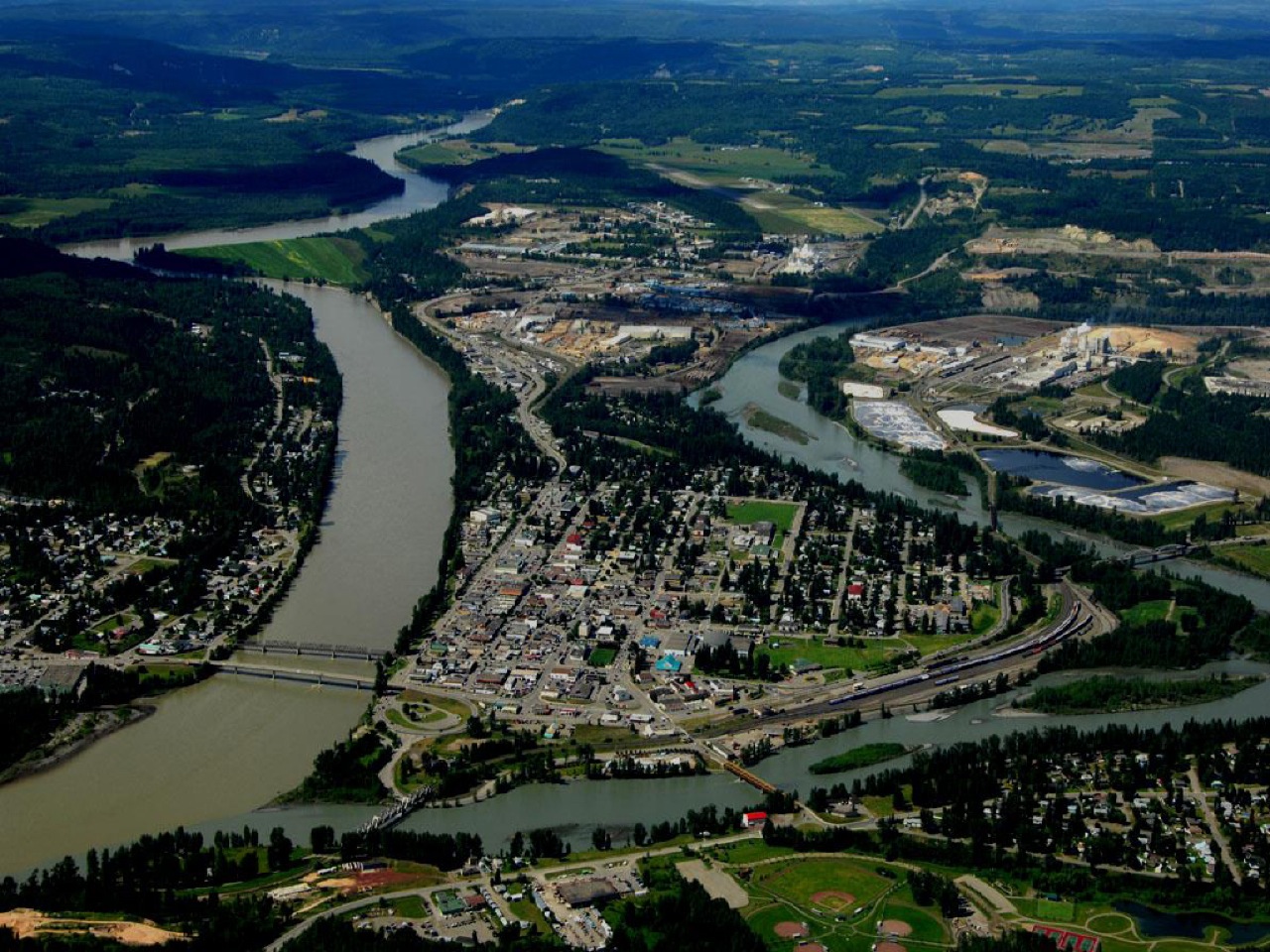
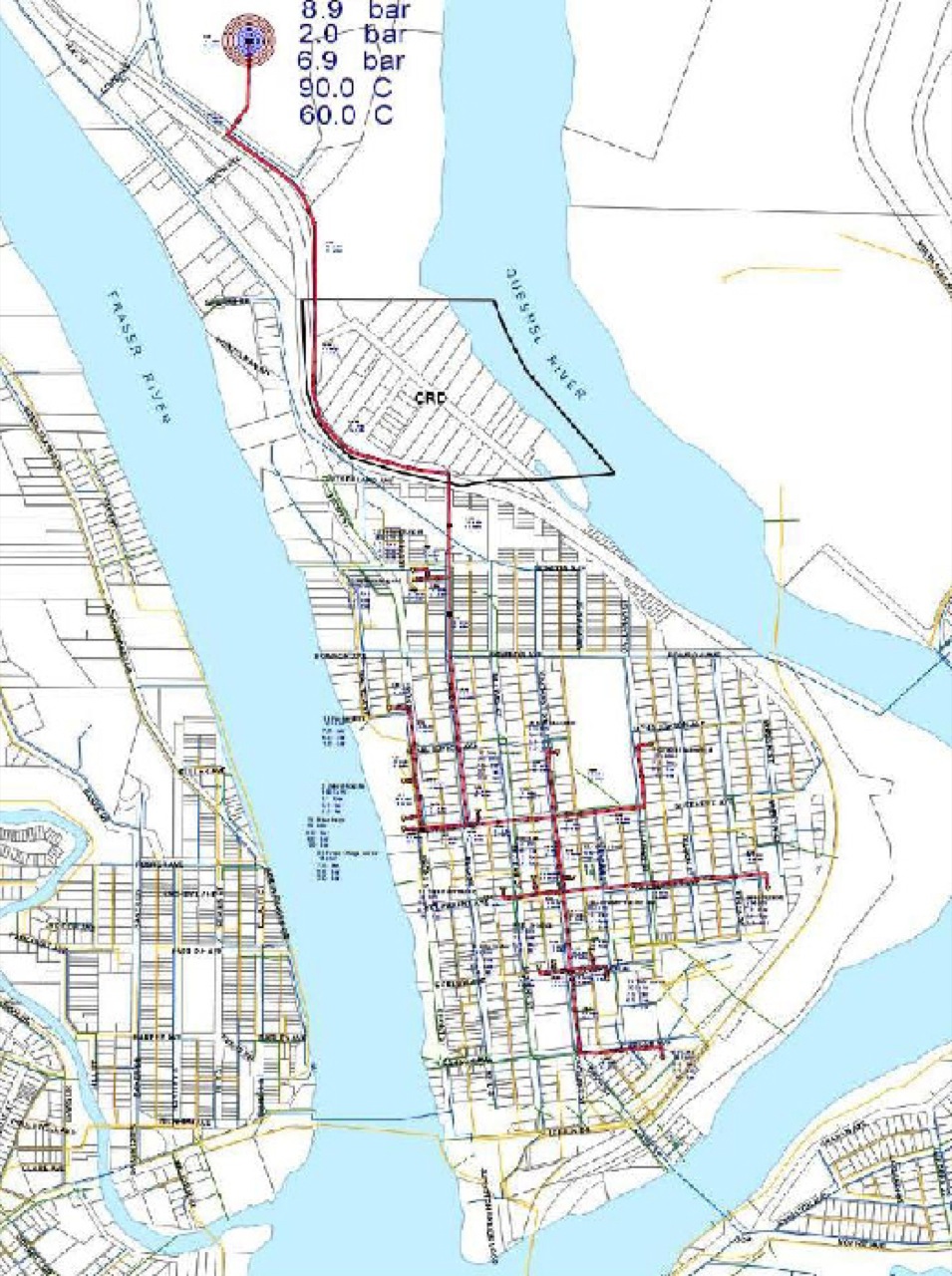
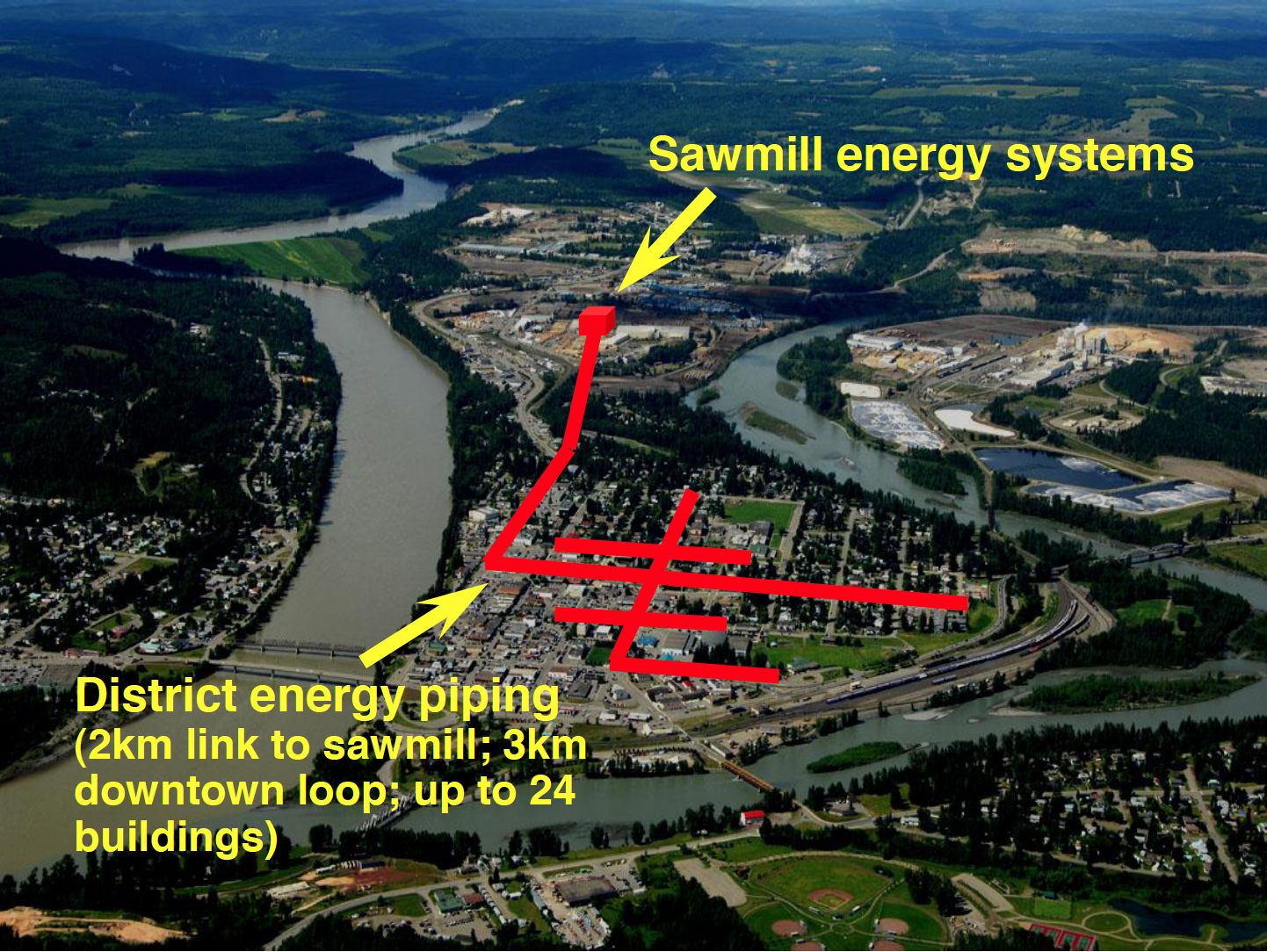
BCBN is supporting FortisBC towards completion of a feasibility study for an innovative CHP project, a potential expenditure of $17 million.  Proposed partners include the City of Quesnel, West Fraser Timber Co., FortisBC, BC Hydro, and up to 22 public and private sector building owners.

Heat will be recovered from an existing wood burner at West Fraser’s local sawmill augmented likely with an Organic Rankine Cycle unit to produce up to 1.3 megawatts of electricity (75% of Quesnel’s current residential consumption), and 5.5 megawatts of waste heat.  The heat will be carried through district heating infrastructure to as many as 22 industrial, institutional, commercial and multi-family residential buildings.  The new “heat pipeline” could help attract new development along the pipeline route, attract new industries that require low temperature process heat and become a model for rural community hydronic energy systems integrated in conjunction with industry.

FortisBC concluded a detailed feasibility study in mid-2011; the company continues to pursue the project.

Quesnel Community Energy System

Wood Pellet Association of Canada – Next Generation Torrefaction Pilot Plant Technology Evaluation

Total Cost: $210,000
BCBN Investment: $135,000 grant

BCBN engaged NORAM Engineering Contractors Ltd. (“NORAM”), through the Wood Pellet Association of Canada, to undertake a review of the best-in-class torrefaction and bio-char technologies globally.  It is the belief of BCBN that torrefied pellets will be the second generation solid biofuel with numerous advantages over wood pellets including higher energy density, hydrophobicity, compatibility with coal handling systems, and reduced risk for explosions and fires.

This project has been completed and at least three technologies are viewed as being appropriate for consideration in BC.  In other words, in the view of the engineering consultants, torrefaction is likely to be technically feasible at this time.

Wood Pellet Association of Canada Website

MITACS UBC Malcolm Knapp Biomass Energy System

Total Cost: $45,000
BCBN Investment: $22,500 grant

BCBN provided a $22,500 grant (3 students x $7,500) to support a feasibility study of installing a biomass heating and district energy system at the UBC Malcolm Knapp Research Forest, north of Maple Ridge, BC.  This funding is matched with $22,500 from the MITACS Accelerate program.

The first phase of this project includes a technology review plus a full characterization of the resources, site, mill operations, wood-waste, harvesting practices, treatment of slash, etc.  The second phase of the project involves the creation of framework for multi-criteria decision analysis resulting in an integrated assessment, incorporating greenhouse gas emissions into the analysis along with other forest management objectives.

Both phases have now been completed.

MITACS Website

UBC Malcolm Knapp Research Forest Website

Northern Bioenergy Partnership 2

Total Cost: $210,000
BCBN Investment: $100,000 grant

BCBN is providing $100,000 in further funding over three years to support the implementation of the business plan and  development of the Northern Bioenergy Partnership as an independent not-for-profit organization dedicated to building a knowledge-based bioenergy industry in northern BC.  Industry has also committed $50,000 for the first year of operation, and the Omineca Beetle Action Coalition has committed $60,000 over 3 years.  Further private sector and public funding will be solicited through annual membership fees, sponsorships and other activities.  The Northern Bioenergy Partnership will become a self-sustaining and self-funded organization by 2013.
Northern Bioenergy Partnership Website

ARDCorp Renewable Agri-Initiative 2

Total Cost: $140,000
BCBN Investment: $100,000 grant

BCBN is granting a maximum of $100,000 to cover additional funding for the Renewable Agri-Energy Initiative (“RAI”) Coordinator position, located within the BC Agriculture Council’s ARDCorp subsidiary.
RAI activities to date in 2013

Agri-Energy Forum January 25: This forum was part of the annual Pacific Agriculture Show in Abbotsford.  This event had a very informative program:
(http://www.agricultureshow.net/agri-energy-forum


ARDCorp Website


Original Website Design by NextPhase Strategy Marketing Inc.
Website Development by Jackelyn Thompson | Admin Login